Samburu National Reserve Kenya:
Safari Guide and Trip Planning
Introduction
Samburu National Reserve Kenya is one of the most distinctive safari destinations in East Africa, known for rugged semi-arid scenery, low-traffic game drives, and species that are rare in southern Kenya circuits. At RoamRoar Safaris, we recommend Samburu for travelers who want a different wildlife profile from Maasai Mara and Amboseli, with strong photography value and a more exclusive northern Kenya safari atmosphere.
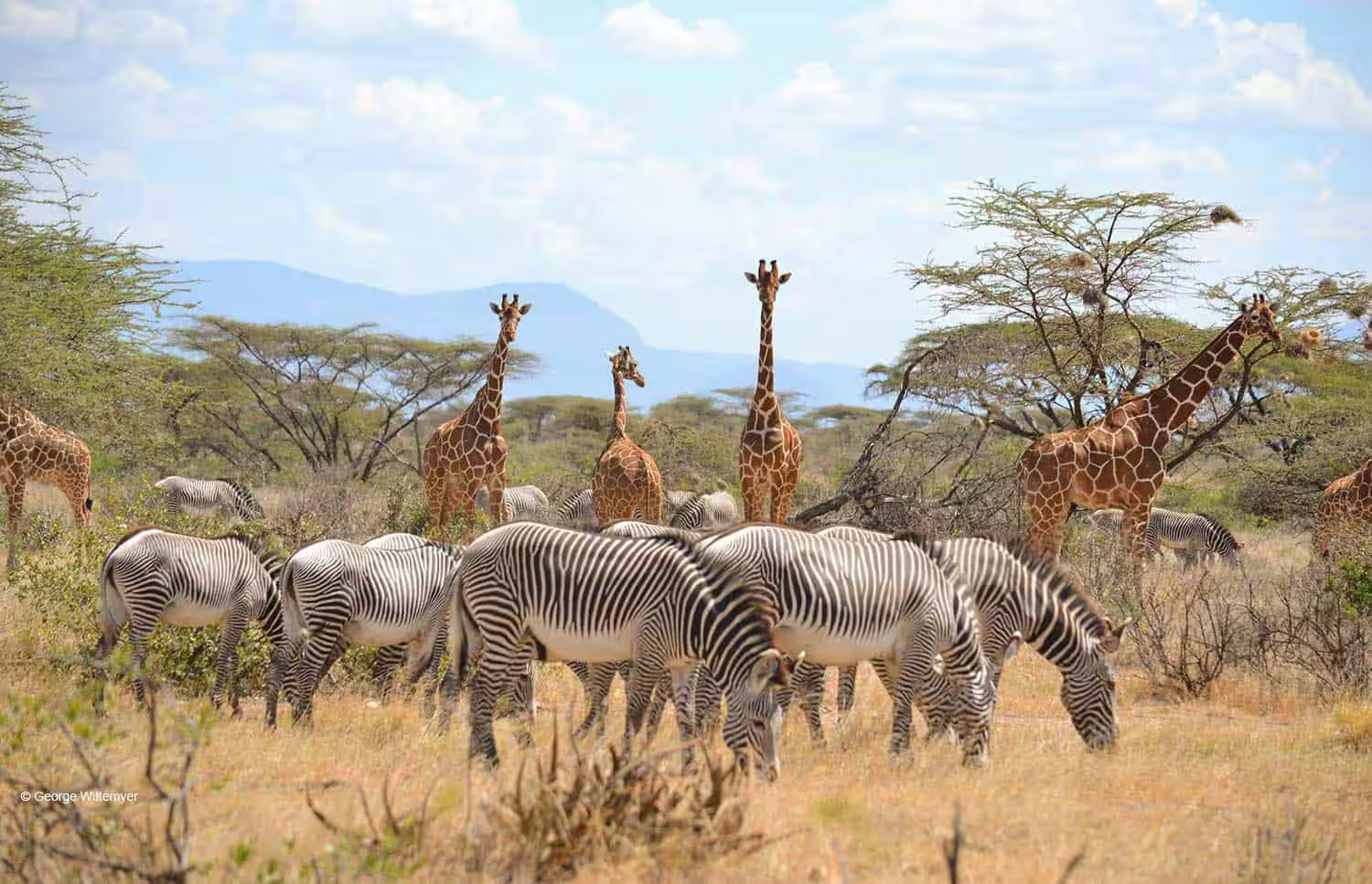
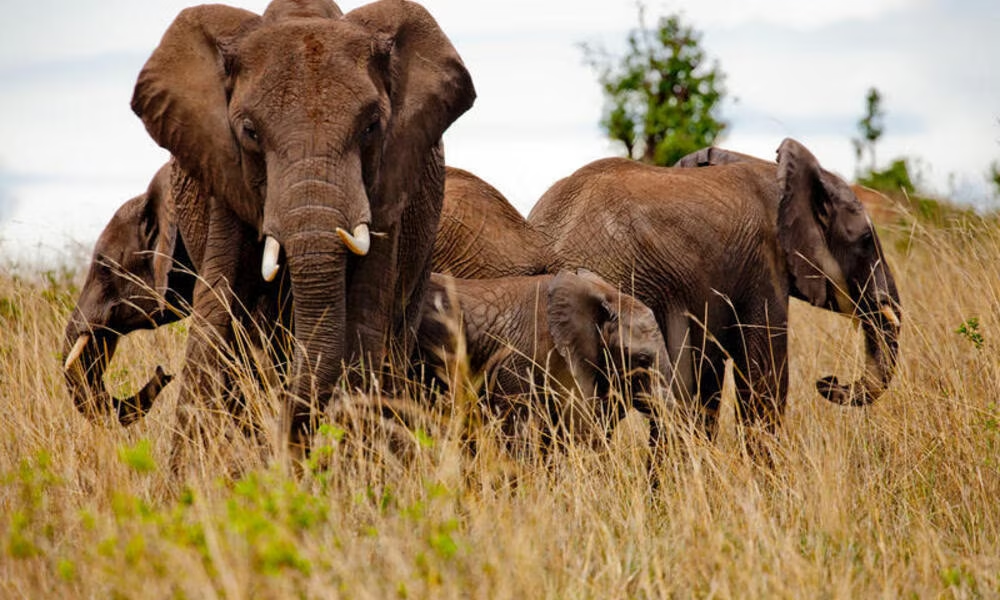
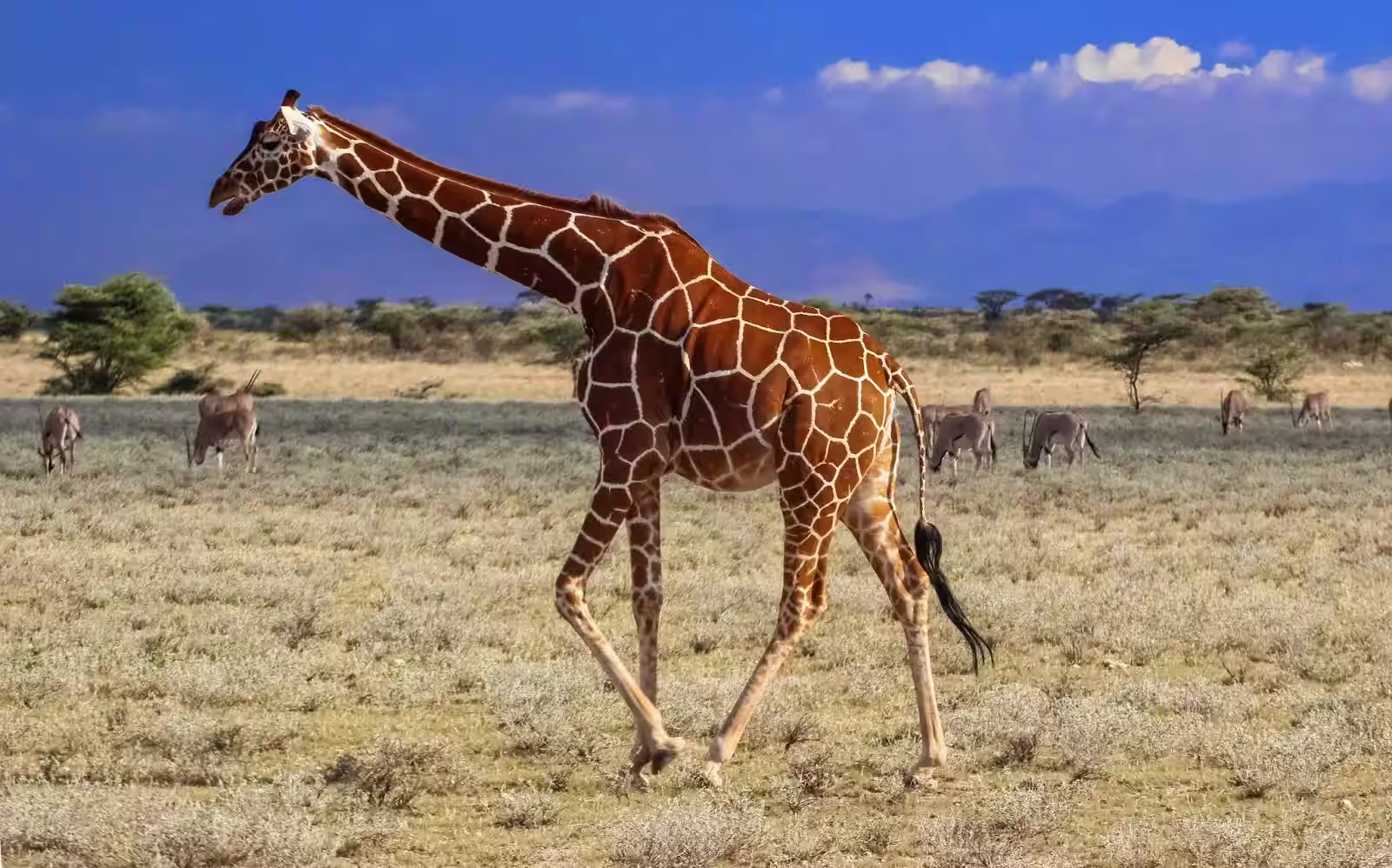
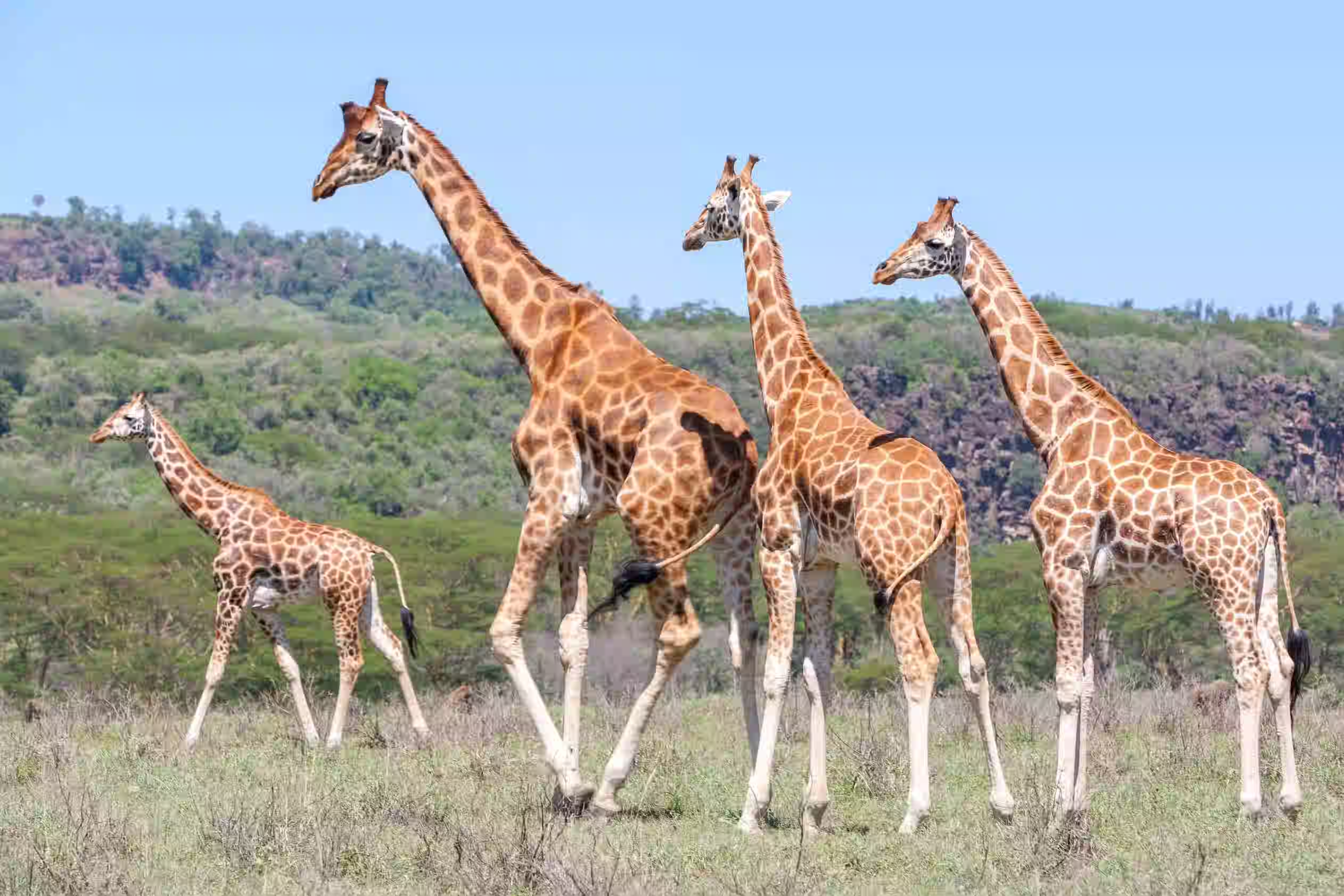
The reserve is centered around the Ewaso Ng'iro River, a lifeline that attracts wildlife year-round and creates productive game-viewing zones. Samburu is especially famous for the "Samburu Special Five": Grevy's zebra, reticulated giraffe, Somali ostrich, gerenuk, and beisa oryx. You will also find elephants, lions, leopards, hyenas, and rich birdlife in riverine and open-bush habitats.
Samburu works well as a standalone short safari or as part of a wider north-and-central Kenya route paired with Ol Pejeta or Laikipia conservancies. Accommodation ranges from luxury riverside lodges to intimate tented camps, giving flexibility by budget and travel style.
If your goal is to avoid repetitive game-drive patterns and see species not commonly found on standard southern routes, Samburu National Reserve should be on your shortlist. RoamRoar Safaris can tailor your route, lodge mix, and drive rhythm around your priorities, whether that is photography, family travel, or a private wildlife-focused circuit. For many guests, Samburu becomes the surprise highlight of a Kenya safari because of its landscape character, species diversity, and quieter viewing conditions.
Location
Samburu National Reserve is located 310 km from Nairobi, covering a 6-7 hour scenic drive. For those who opt for flight , it is a short flight to the reserve with aerial views of the landscapes below. Home to the special five animals, your visit to Samburu National Reserve will be worthwhile.

%20(2).avif)


Samburu Conservancies (cvn)
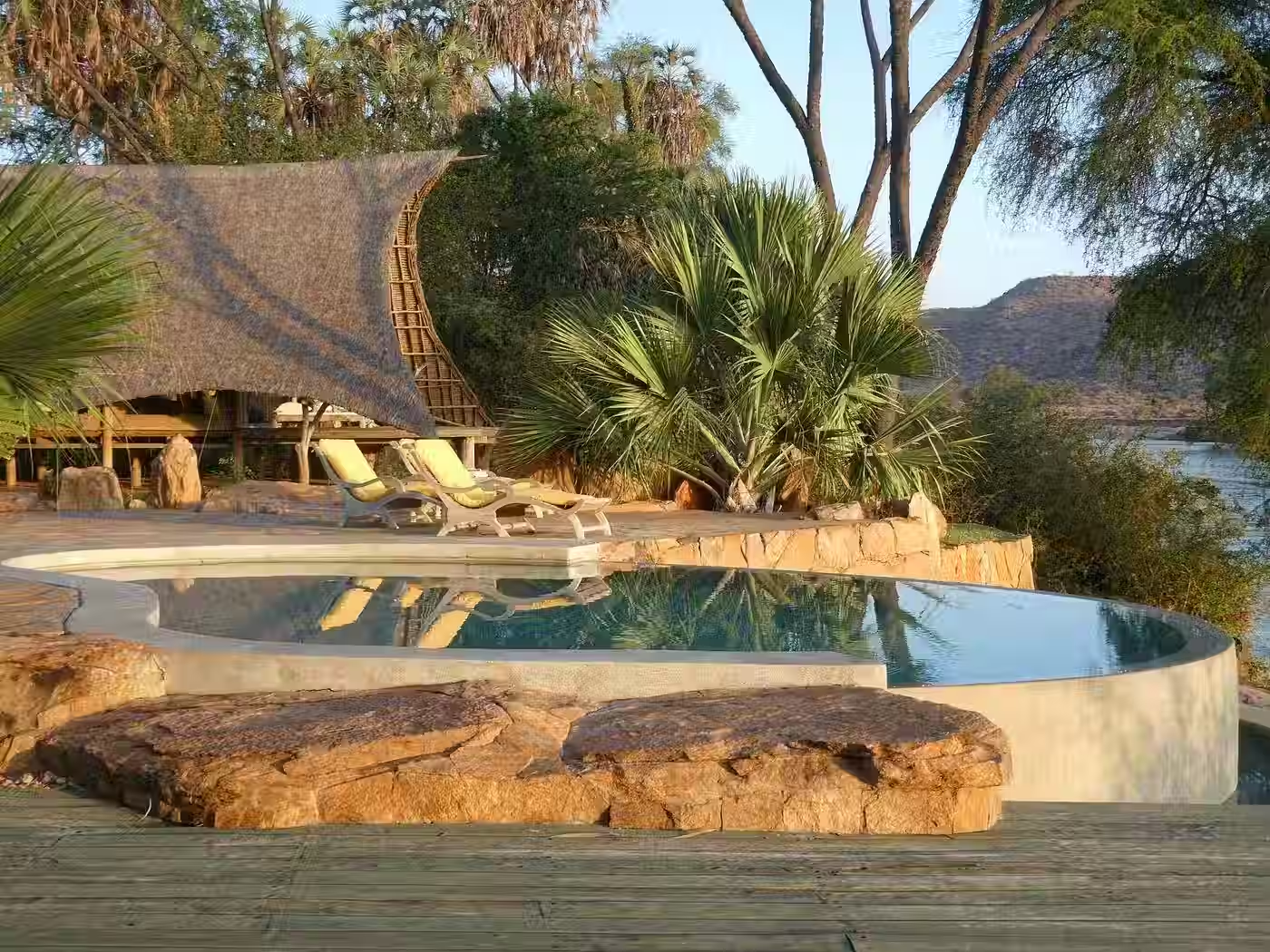
Kalama Conservancy is a community-owned conservancy and borders Samburu National Reserve in the north. The conservancy has striking landscapes and is rich in biodiversity and is home to high-end eco-lodges providing comfortable and luxurious accommodations. Animals found in the conservancy are elephants, leopards, and African wild dogs.
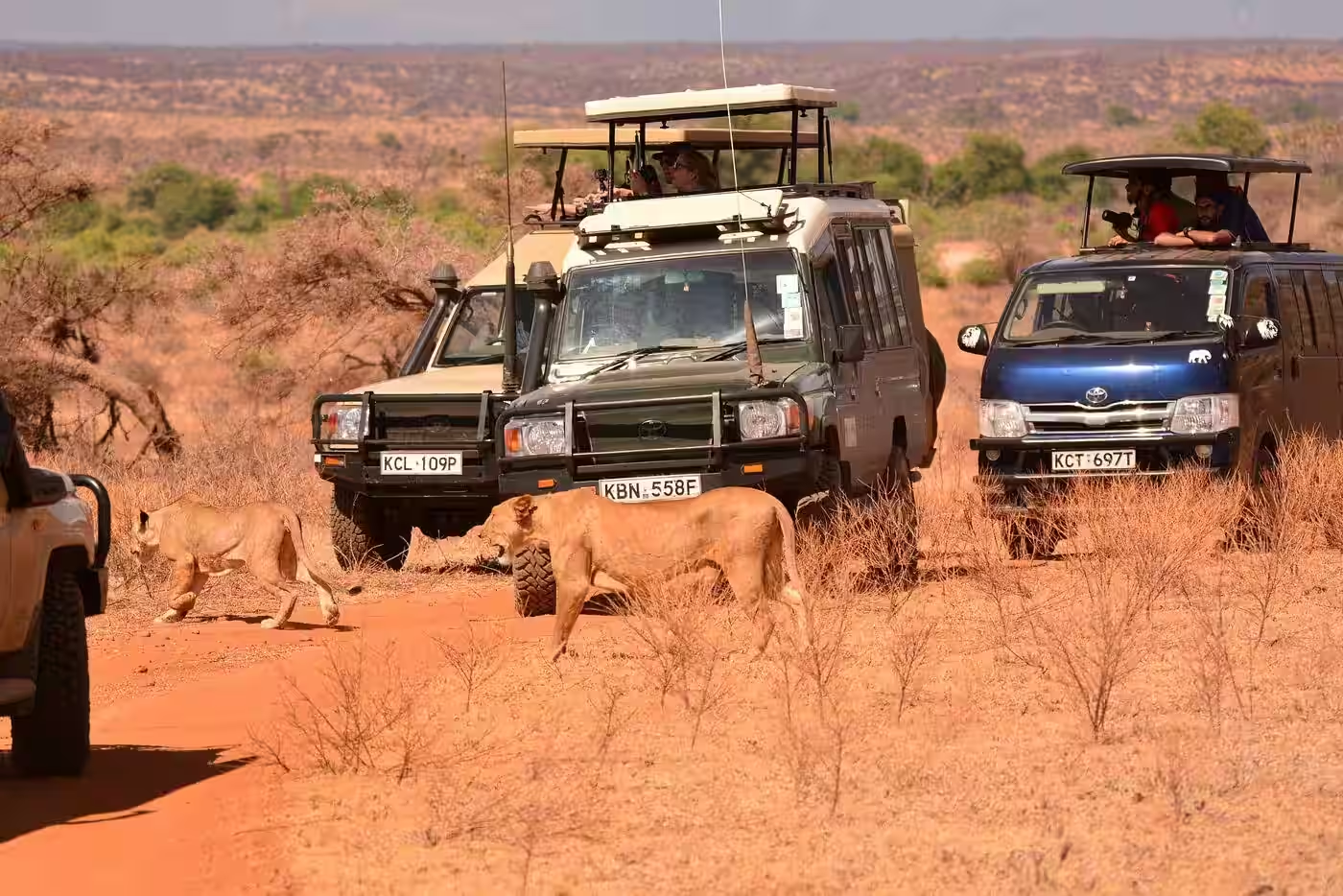
Located within Samburu National Reserve, Westgate Community Conservancy serves as a vital migration corridor for elephants, lions, and giraffes, and it is managed by the local Samburu community. The conservancy focuses on sustainable tourism, offering walking safaris and cultural experiences in the Samburu villages
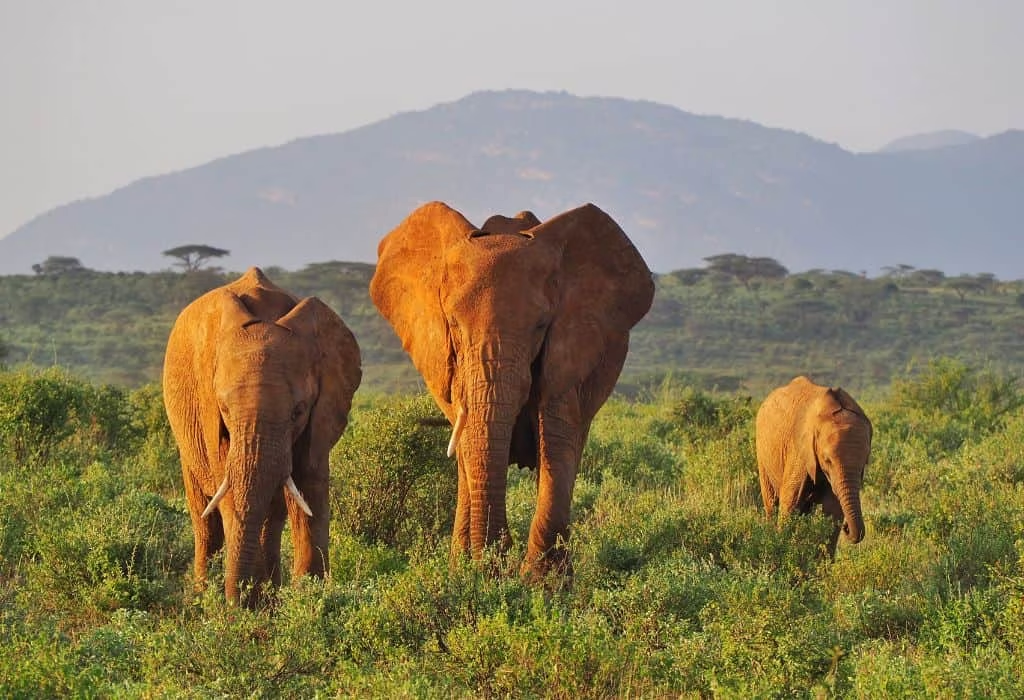
It borders Samburu National Reserve to the west, being a refuge for Grevy’s zebras, elephants, and leopards. While promoting wildlife conservation, it also gives to and promotes the community by supporting education and community development. Meibae offers a peaceful safari experience for visitors looking for exploration in untouched wilderness while being part of conservation efforts.
Samburu Camps & Lodges
( In & Around )
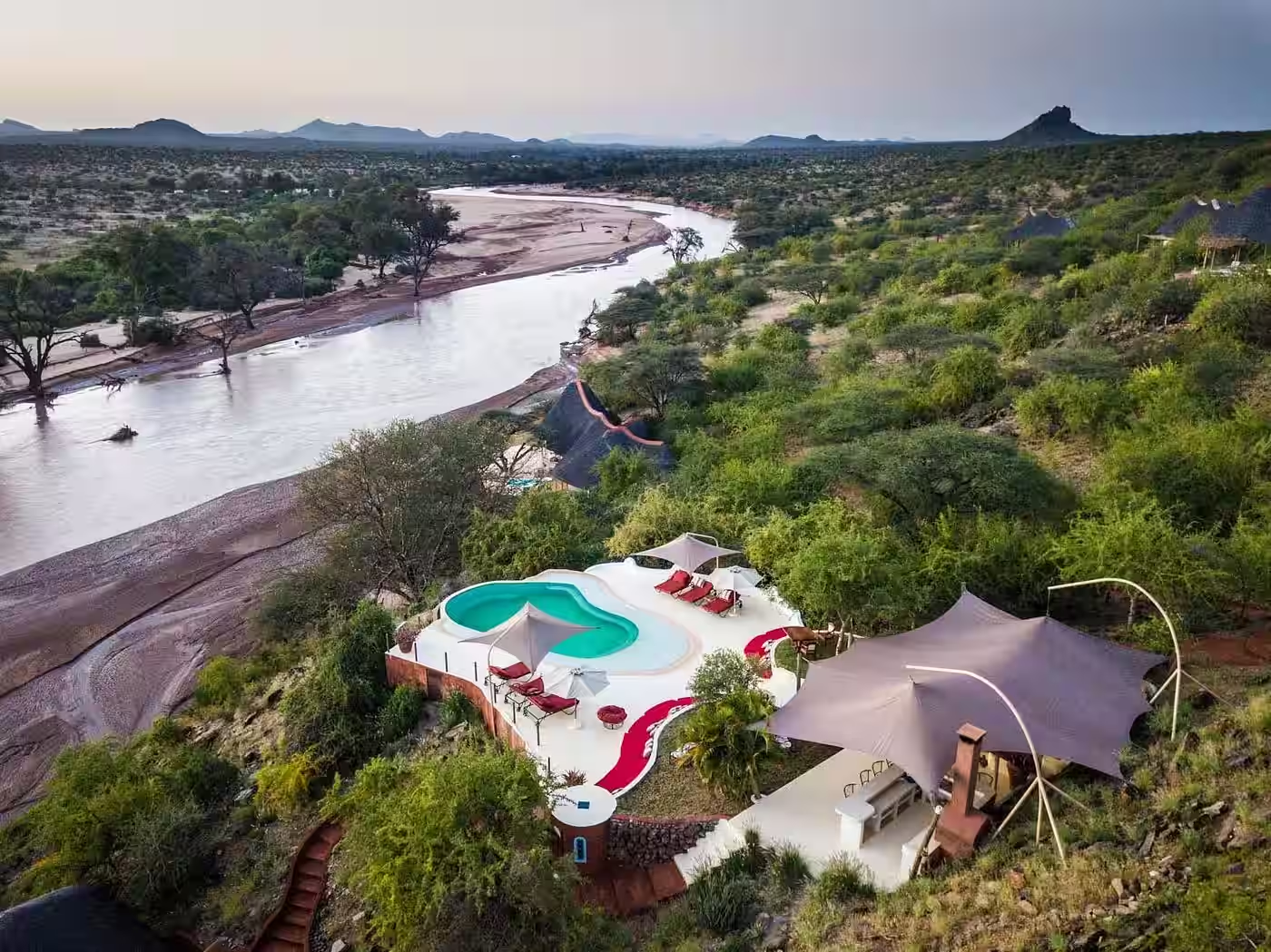
Sasaab Lodge
Inside
.avif)
Elephant Bedroom Lodge
Inside
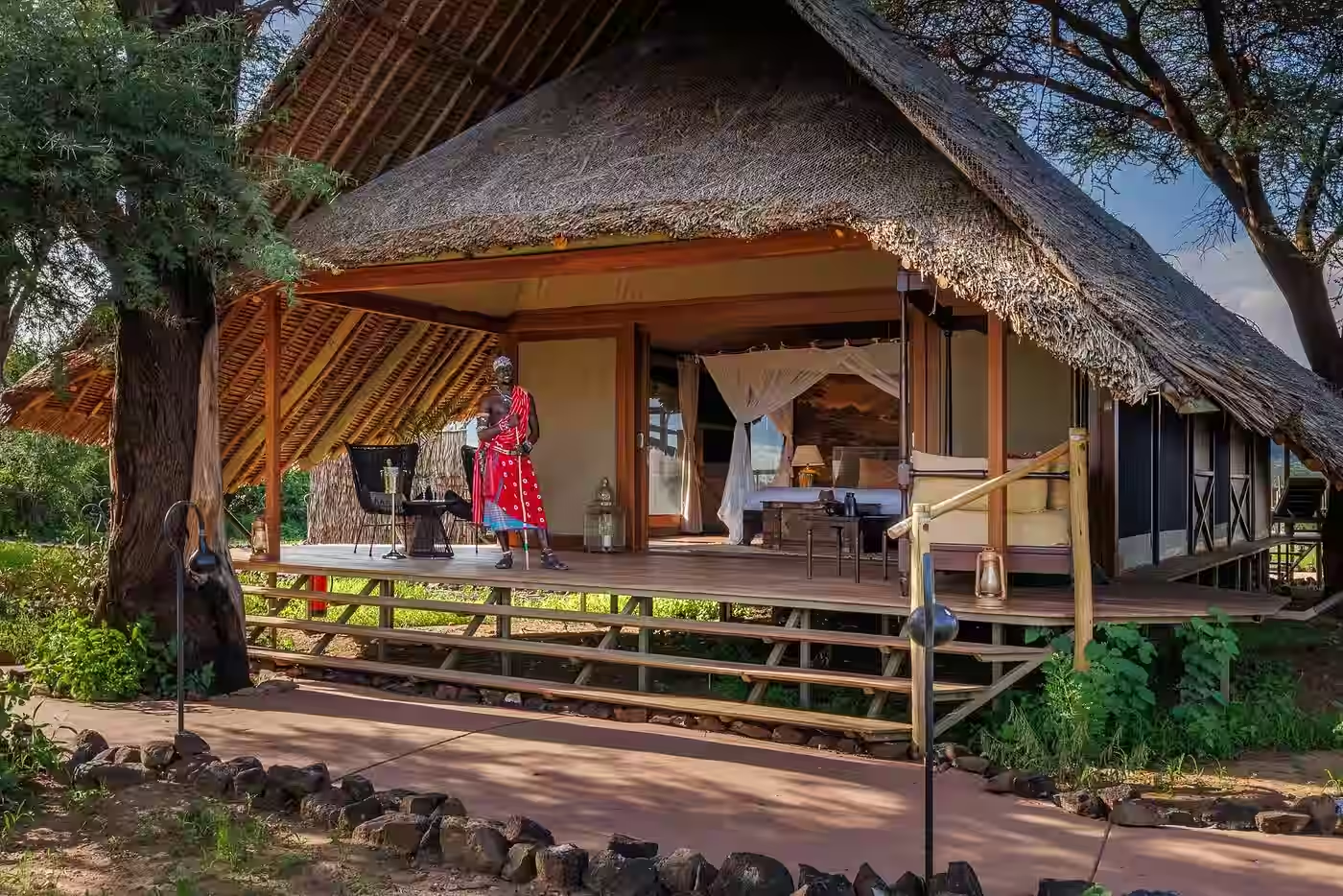
Soroi Larsens
Inside
.avif)
Saruni Samburu
Around
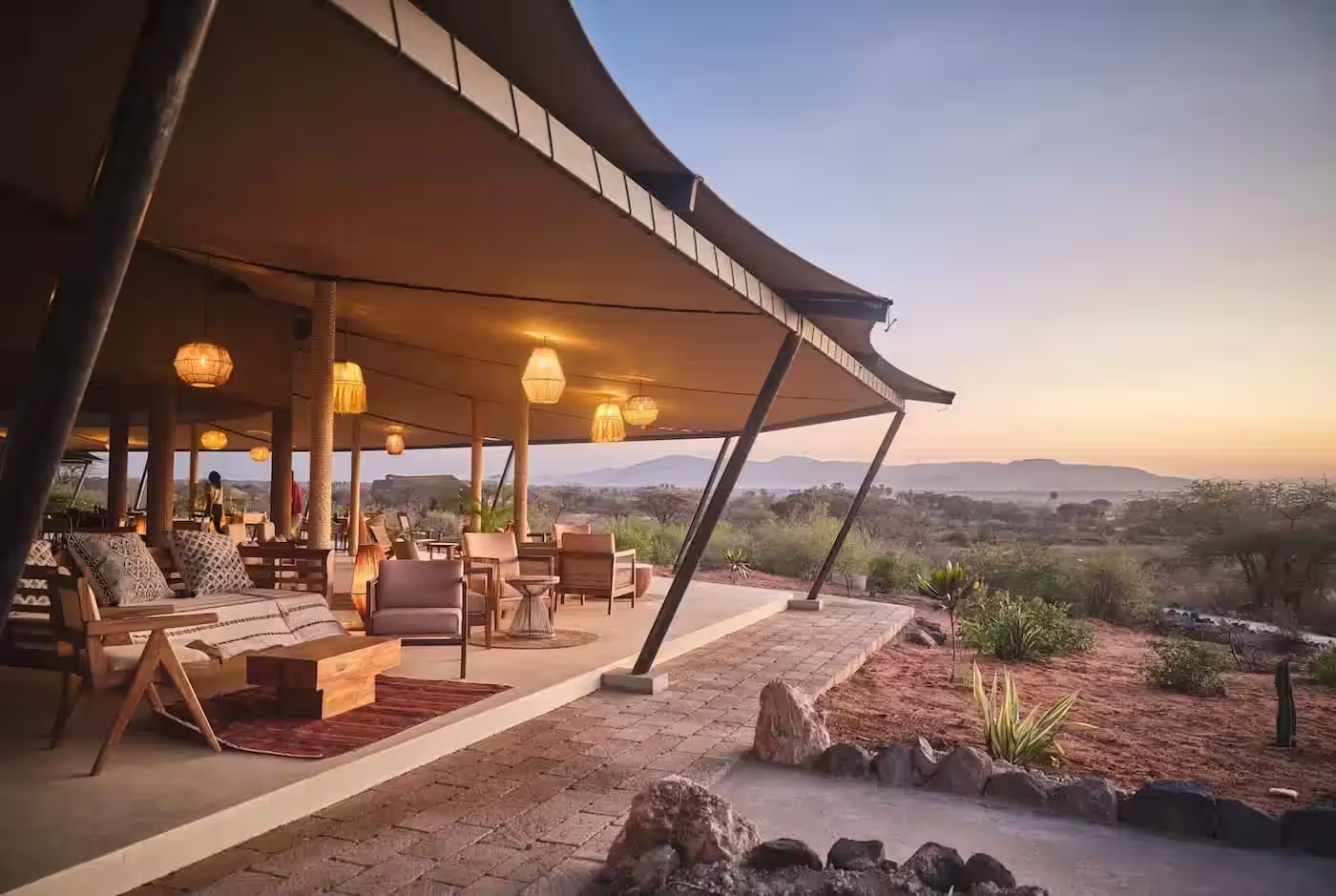
Surana Buffallo Lodge
Inside
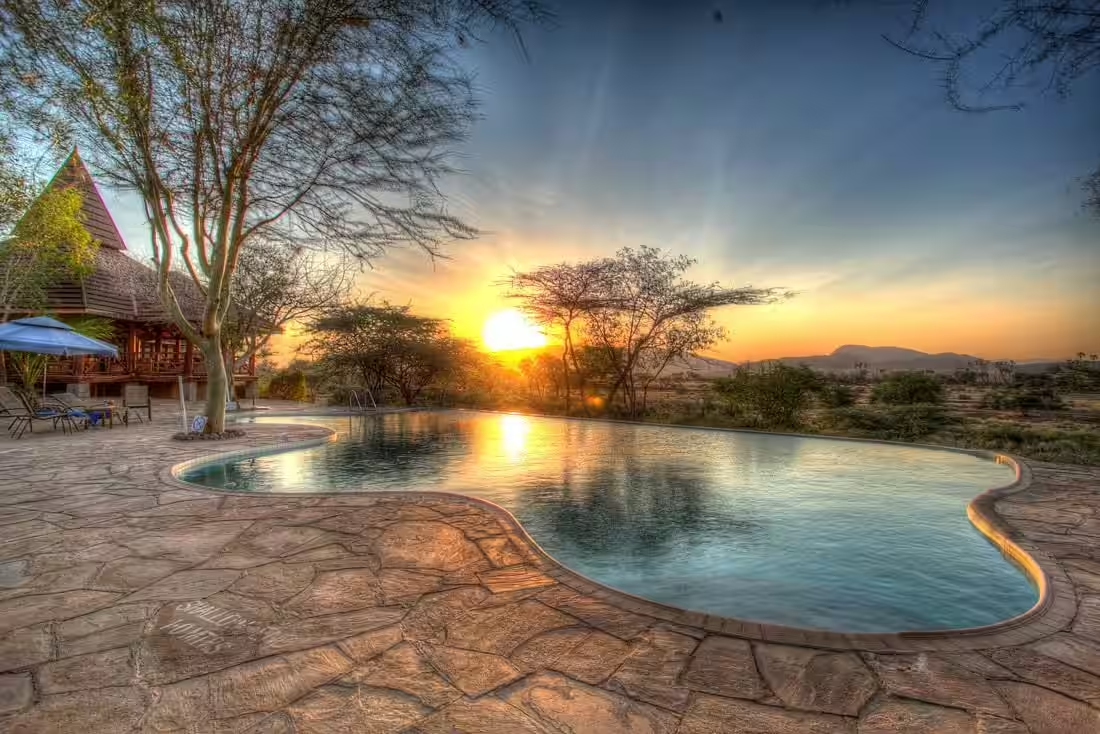
Samburu Simba Lodge
Inside

Ashnil Samburu Camp
Inside
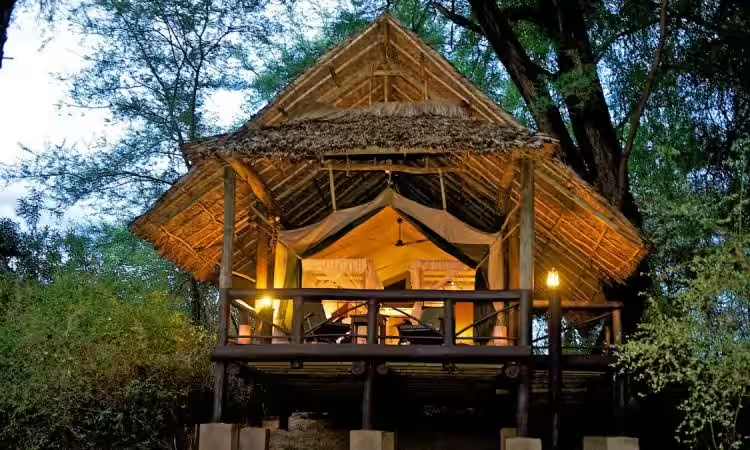
.avif)
Samburu Sopa Lodge
Around
.avif)
Sarova Shaba Game Lodge
Inside
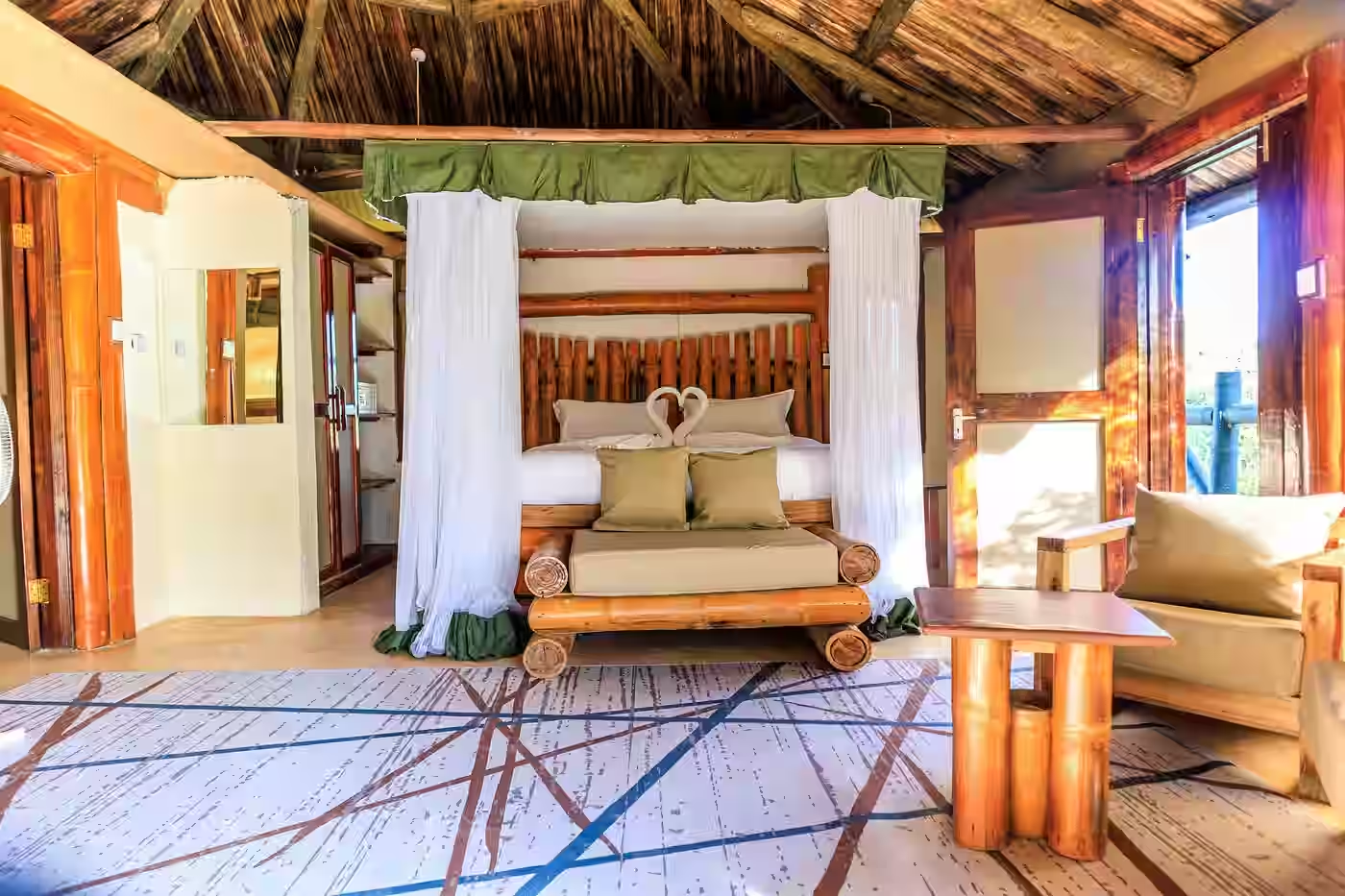
Samburu Elephant Lodge
Inside
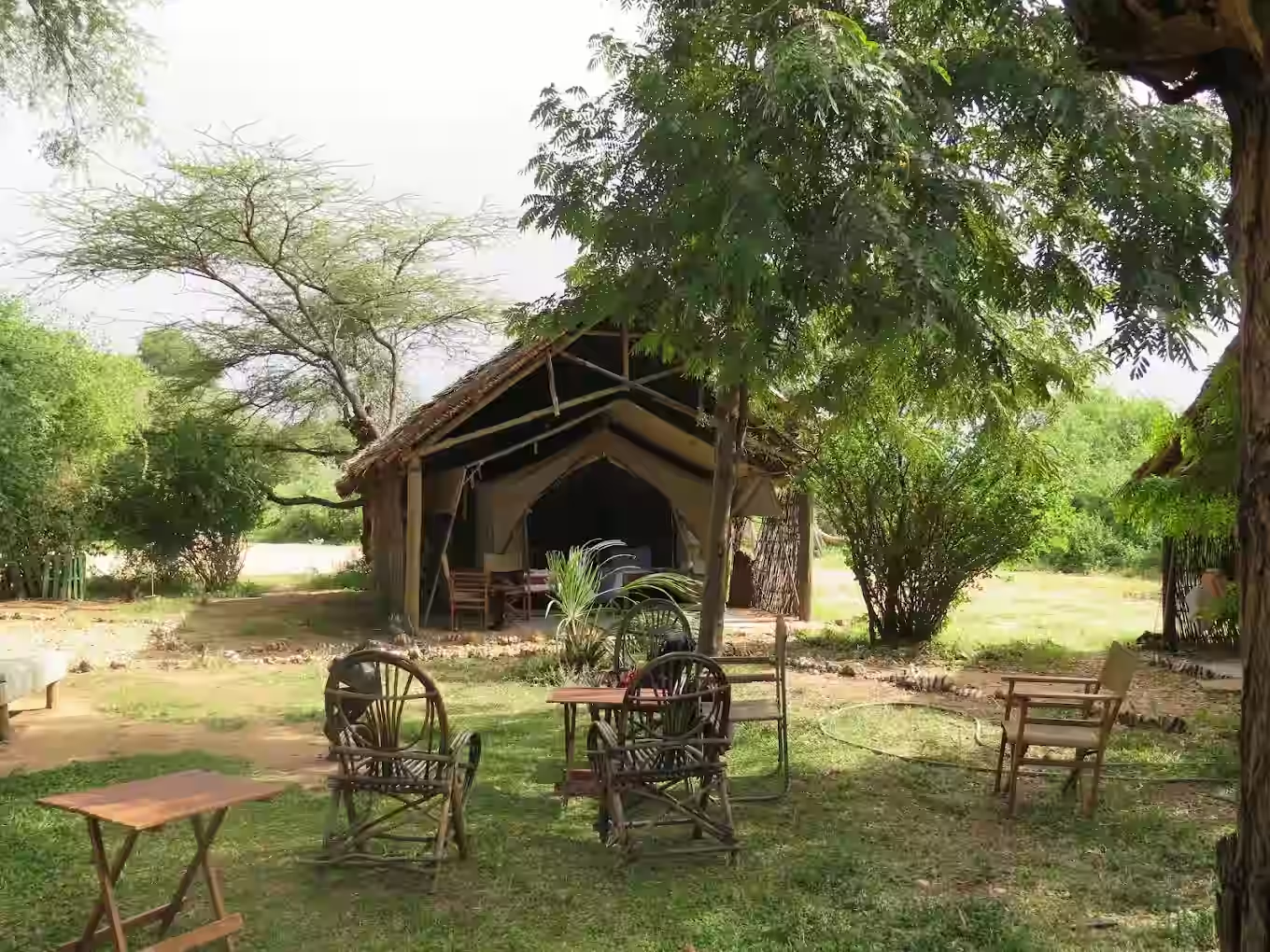
Samburu Riverside Camp
Inside
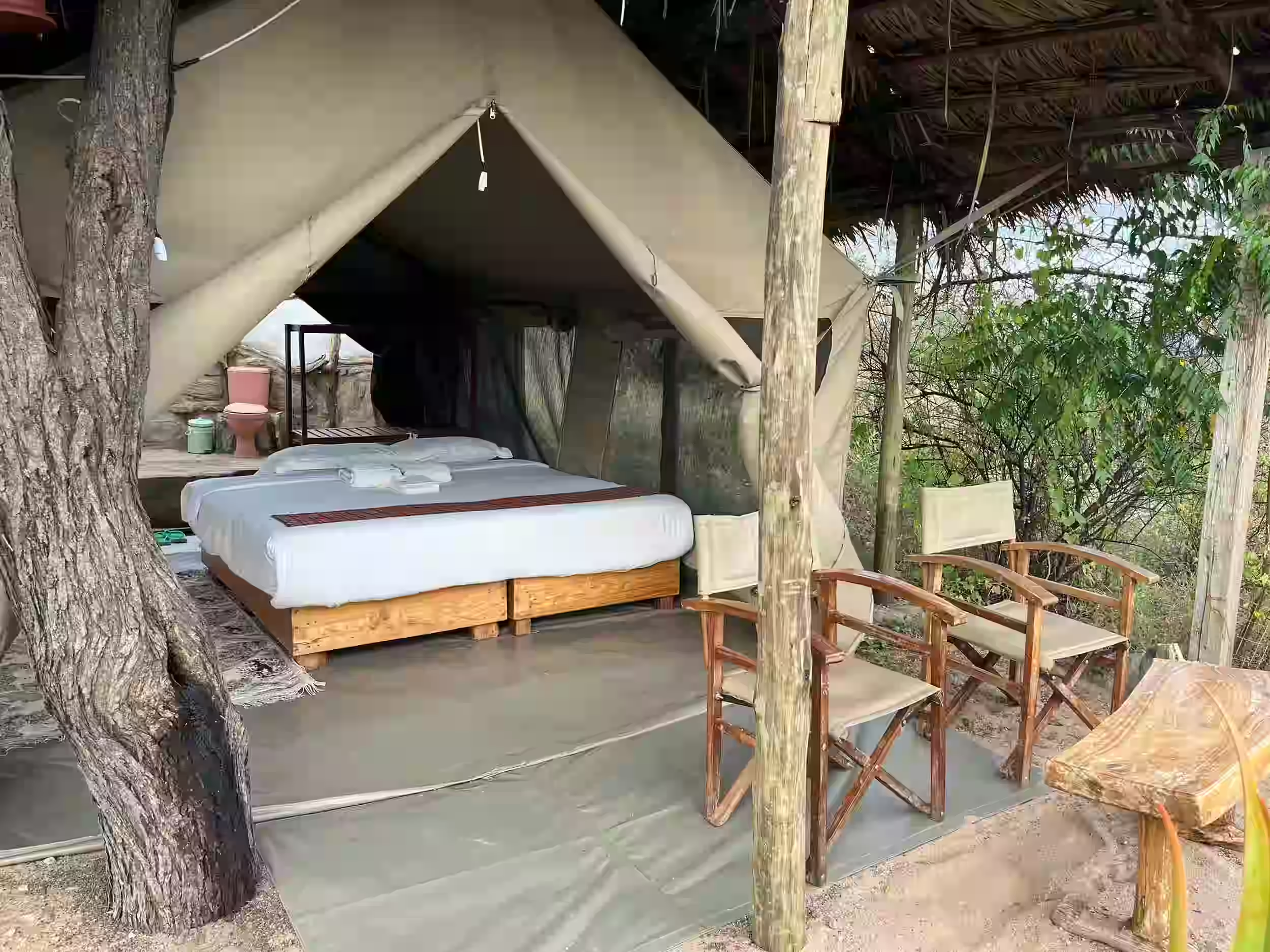
Lions Cave Camp
Around

Sasaab Lodge
Inside
Elephant Bedroom Lodge
Inside
Soroi Larsens
Inside
Saruni Samburu
Around
Surana Buffallo Lodge
Inside
Samburu Simba Lodge
Inside
Ashnil Samburu Camp
Inside
Samburu Interpids Tented Camp
Inside
Samburu Sopa Lodge
Inside
Sarova Shaba Game Lodge
Inside
Samburu Simba Lodge
Inside
Samburu Elephant Lodge
Inside
Samburu Riverside Camp
Inside
Lions Cave Camp
Around
Samburu Airstrips
Samburu Oryx Airstrip is at an altitude of 3,300 feet (1,006 meters), with Saruni Samburu Lodge located just a few minutes away from the airstrip in the heart of Samburu National Reserve. Departure time from the airstrip is around 10:00 AM and arrival time is 4:00 PM.
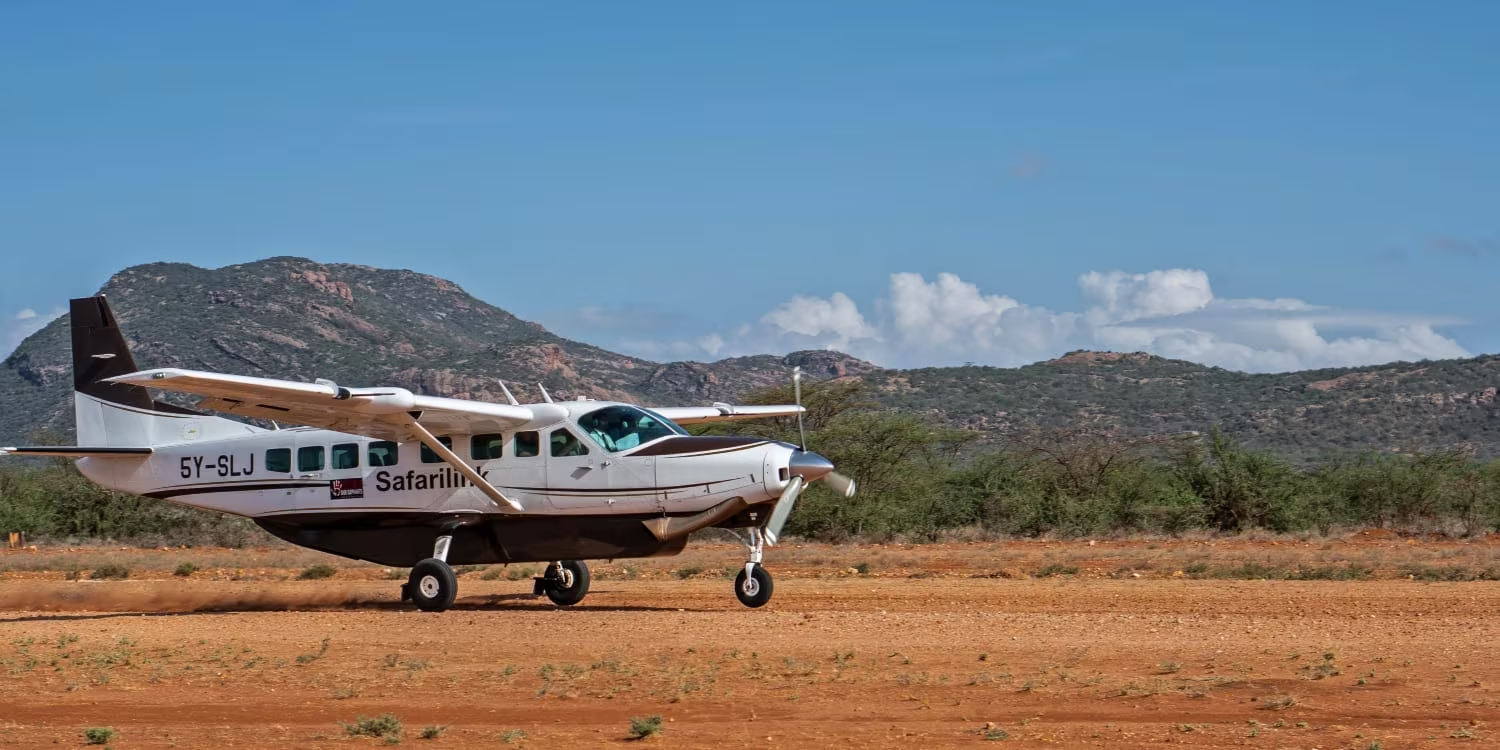
Buffalo Springs Airstrip is at an altitude of around 3,100 feet (945 meters), with it being in close proximity to the charming Ashnil Samburu Camp. Buffalo Spring arrival time is 10:45 AM and departure time is 4:00 PM, linking travelers with the rich diversity in wildlife in Buffalo Springs and Samburu.
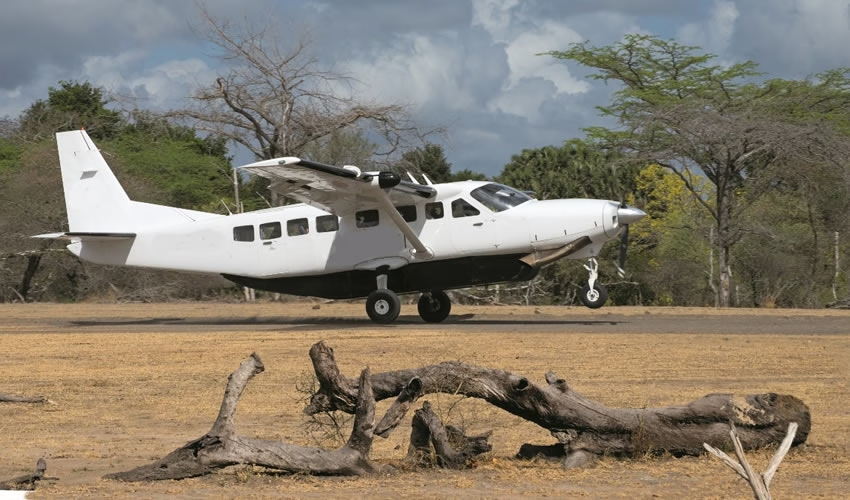
Kalama Airstrip is ideal for those heading to the exclusive Saruni Samburu, which is located near Kalama Conservancy. Arrival time is around 11:00 AM and departure time is 3:30 PM. Situated 3,500 feet (1,067 meters) up, Kalama Airstrip promises scenic escarpments and open plains.
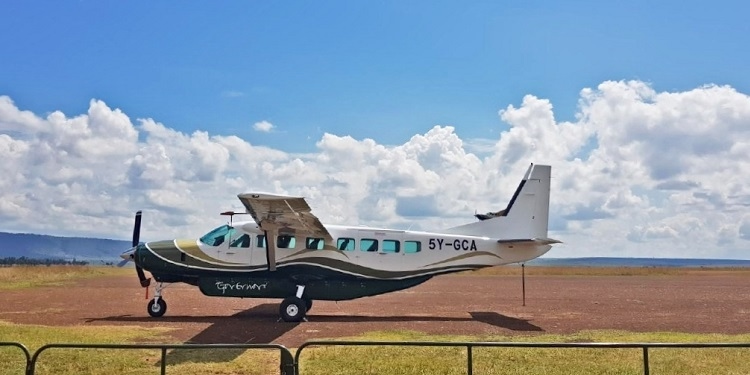
Kichwa Tembo Airstrip has an altitude of 4,951 feet (1,509 meters) above sea level, serving Kichwa Tembo Tented Camp, which is less than a kilometer away, taking a 2-minute drive. Touchdown is around 11:15 AM, while departure from the park is 10:00 AM. Other lodges it serves are Kilima Camp, Mpata Lodge, and Bateleur Camp.
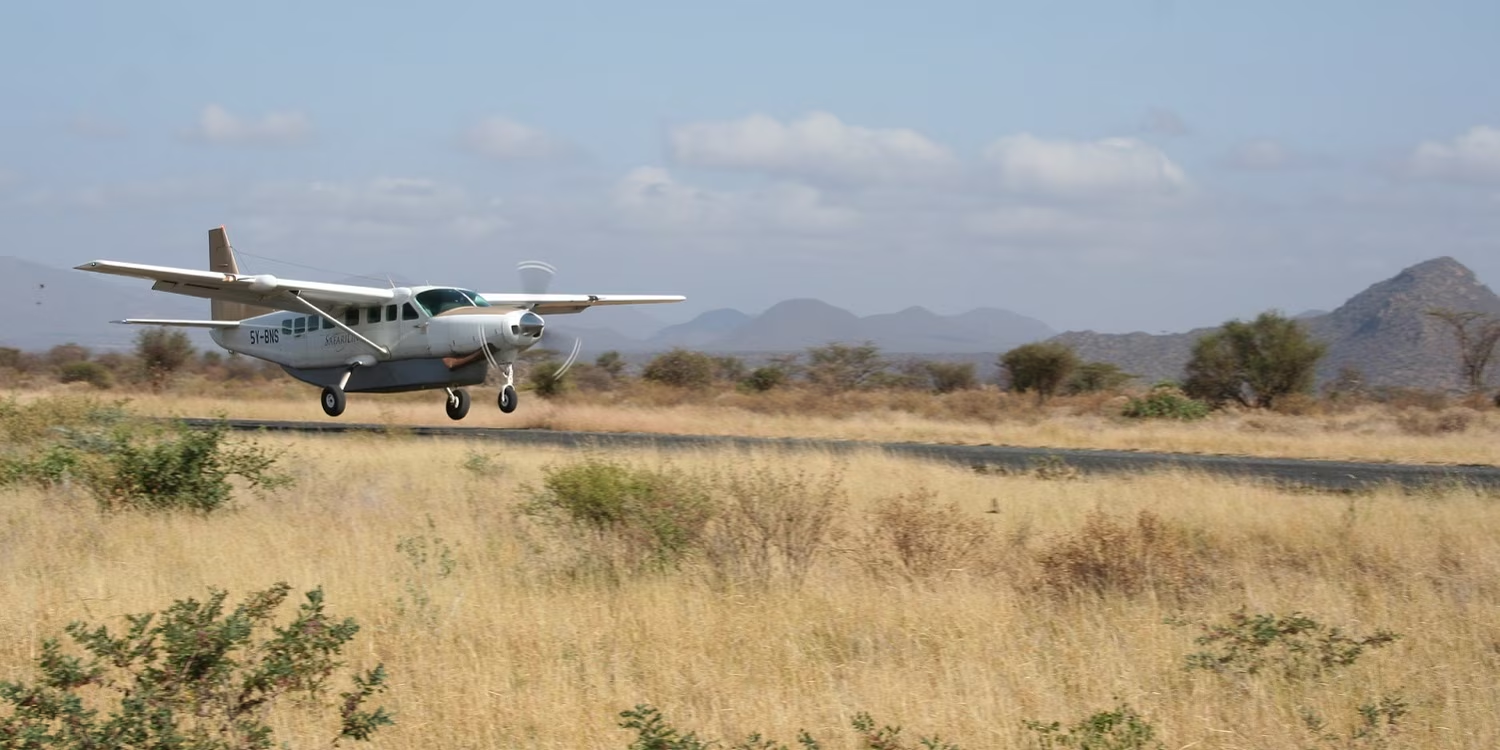
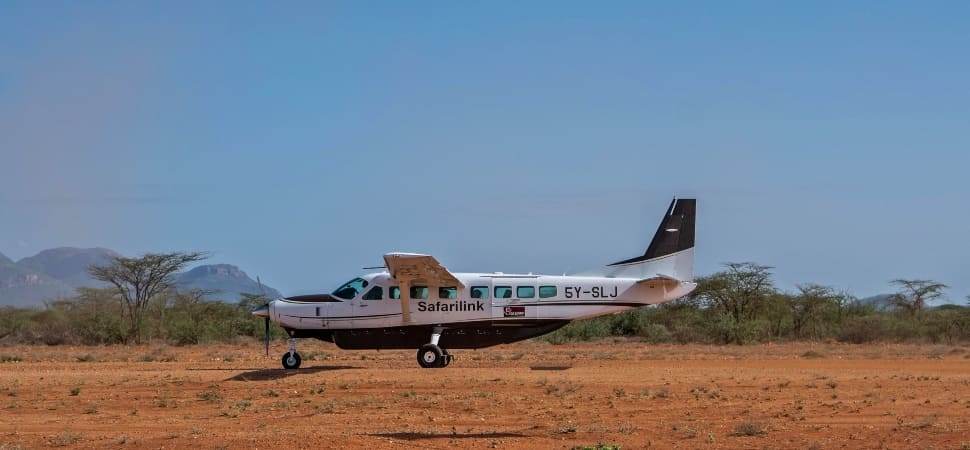
Samburu Airstrip is at an altitude of around 3,200 feet, with it being in close proximity with the charming and luxurious Saruni Samburu Lodge. Samburu Airstrip arrival time is 11:00 AM and departure time is 4:00 PM linking travelers with the rich diversity in wildlife at Tsavo West and the Kalama Conservancy.
Samburu Wildlife

Special five
Grevy’s zebra, Reticulated giraffe, Beisa Oryx, gerenuk, Somali ostrich
Big cats
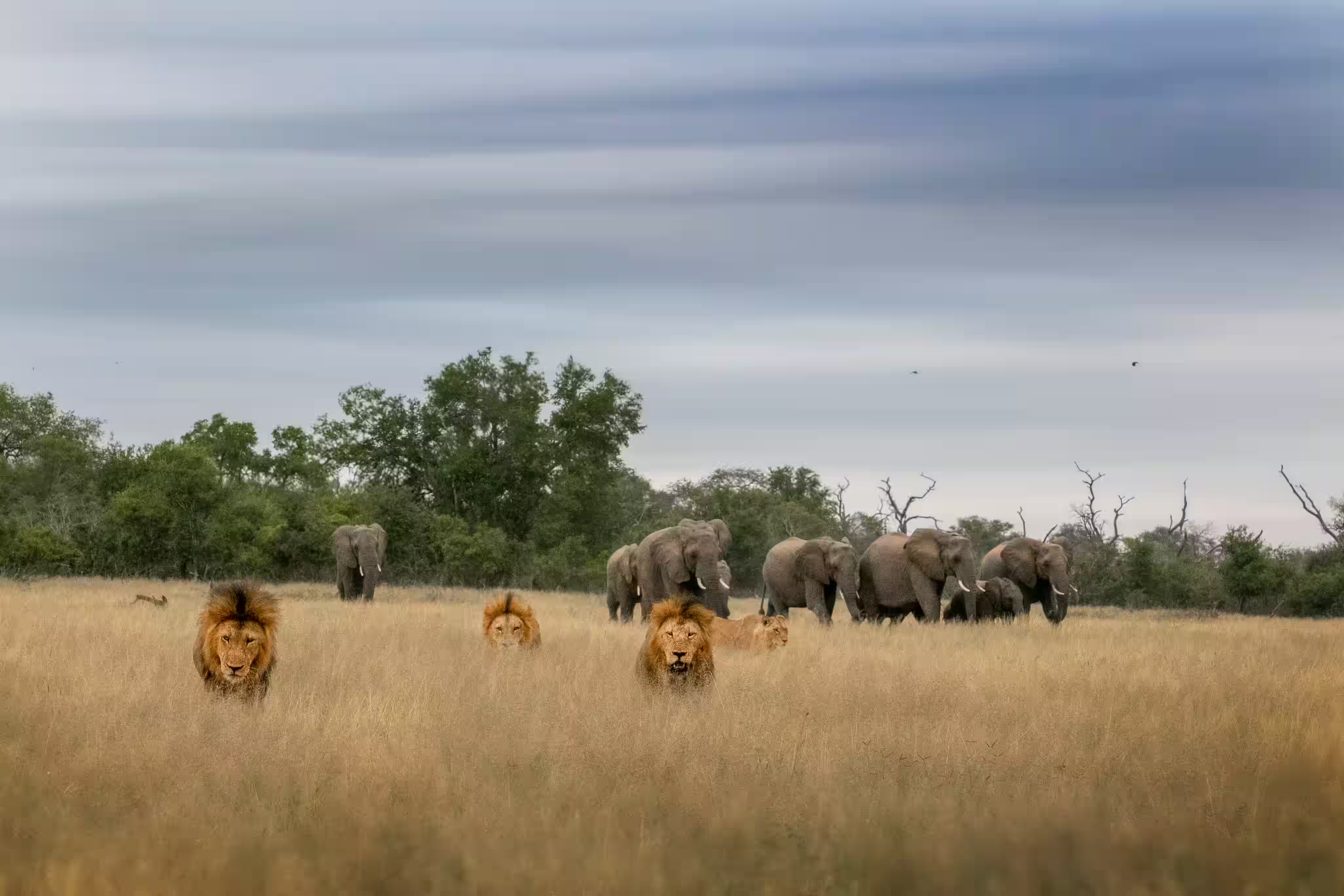
Lions, leopards, and cheetahs.
Common Animals
African elephants, buffalo, impala, Grant’s gazelle, waterbucks, crocodiles, hyenas, and wild dogs
Birds
Pygmy falcon, vulturine guineafowl, secretary bird, tawny eagle, and yellow-billed hornbill.
Why Visit Samburu National Reserve Kenya?
Samburu National Reserve offers a different safari identity from Kenya's more commonly visited southern parks. The landscape is drier, the vegetation is more open-bush and riverine, and the species mix includes animals many travelers do not see elsewhere on the same trip.
It is especially attractive for return visitors, photographers, and travelers seeking less crowded game drives. If your itinerary already includes Maasai Mara or Amboseli, adding Samburu creates a broader and more balanced Kenya wildlife experience.
Samburu Special Five and Signature Wildlife
The Samburu Special Five are the reserve's signature draw: Grevy's zebra, reticulated giraffe, Somali ostrich, gerenuk, and beisa oryx. These species are key reasons many travelers search Samburu safari options, since they are less common on mainstream circuits.
Beyond the Special Five, Samburu has excellent elephant sightings and strong predator potential, including lion and leopard. Around the Ewaso Ng'iro River, wildlife movement can be very active in early morning and late afternoon, creating high-value viewing windows.
Best Game Drive Zones Along Ewaso Ng'iro
The Ewaso Ng'iro River system is the core game-viewing anchor in Samburu. Riverbanks and nearby thickets are often productive for elephants, big cats, and mixed herbivore activity, especially when temperatures are cooler.
Open areas away from dense river vegetation are useful for scanning Special Five species and wider habitat movement. A good Samburu game-drive plan balances river-focused tracking with broader loops to cover both predator and rare-species opportunities.
Best Time to Visit Samburu National Reserve
Samburu can be visited year-round, but dry periods are usually preferred for easier tracking and concentrated wildlife activity around key water sources. Many travelers favor June to October and December to March for practical road conditions and consistent game-viewing flow.
Greener periods can still be rewarding, especially for birding and dramatic landscape color. The best timing depends on whether your priority is maximum sightings, photography mood, or lower-season lodge value.
How to Get to Samburu from Nairobi
Most travelers reach Samburu from Nairobi either by road transfer or domestic safari flight. Road routing is common for overland circuits and typically takes most of a day depending on stops and road conditions. Flights are faster and can preserve valuable game-drive time on short itineraries.
If you have only two to three nights, flying is often the most efficient option. If you are combining Samburu with central Kenya parks, road transfers can work well when planned with overnight pacing and minimal backtracking.
Samburu National Reserve Lodges and Camps
Samburu accommodation ranges from premium riverside lodges to smaller tented camps and practical mid-range options. Luxury stays usually offer stronger privacy and premium location advantages, while mid-range camps can provide excellent wildlife value at lower overall trip cost.
When selecting Samburu national reserve lodges, prioritize location relative to your preferred game-drive zones, room comfort in warm conditions, and guiding quality. In Samburu, guide skill and camp positioning can significantly shape sighting outcomes.
Samburu Conservancies and Community Experiences
Conservancy and community-linked experiences in the Samburu ecosystem can add depth beyond standard game drives. These options often provide lower vehicle density, stronger interpretive guiding, and opportunities to understand local pastoral culture and conservation partnerships.
For travelers who value context and not just checklist sightings, combining reserve drives with responsibly structured community experiences creates a richer and more balanced safari.
Sample 2-Day and 3-Day Samburu Itineraries
2-day format: arrival and one evening game drive, followed by an early morning river-focused drive before departure. This option is efficient but requires tight timing.
3-day format: one arrival-day drive plus two full game-drive windows. This is the recommended structure for first-time Samburu travelers because it improves your chances of seeing multiple Special Five species, predators, and stronger photography conditions.
Samburu + Ol Pejeta or Maasai Mara Combinations
Samburu pairs especially well with Ol Pejeta for a north-central circuit that combines rare northern species with rhino-focused conservancy viewing. It can also be combined with Maasai Mara for a broader contrast between northern drylands and classic southern savannah safari.
For smooth flow, route design should be based on transfer logic and wildlife goals, not just popular park names. RoamRoar can sequence these combinations to reduce fatigue and protect high-value game-drive hours.
Plan Your Samburu Safari with RoamRoar
RoamRoar builds custom Samburu safari itineraries around your travel priorities, whether you want a Special Five-focused route, photography-led game drives, or a multi-park journey with Ol Pejeta, Laikipia, or Maasai Mara.
Share your dates, group size, comfort range, and top wildlife goals, and we will create a clear itinerary with lodge options, transfer strategy, and realistic daily pacing so your Samburu experience is both efficient and memorable.
Safari Packages with Samburu
Samburu Common Activities
Loiniek Cultural Women Village Visit
Camel Safaris
Ewaso Nyiro River Exploration
Nature Walks & Guided Bush Walks
Sundowner Experiences
Photography Safaris
Bush Dining
Game Drives
Bird Watching
Camping & Overnight Stays

Samburu National Reserve FAQs
What is Samburu National Reserve Kenya best known for?

Samburu National Reserve is best known for the Samburu Special Five, river-based game viewing, and a drier northern Kenya landscape that feels very different from southern safari parks.
What are the Samburu Special Five?
The Samburu Special Five are Grevy's zebra, reticulated giraffe, Somali ostrich, gerenuk, and beisa oryx. These are key target species for travelers visiting northern Kenya.
How many days should I spend in Samburu?
Two nights is the minimum for a focused safari, while three nights is better for broader wildlife coverage, improved photography opportunities, and more flexible game-drive timing.
Is Samburu good for first-time safari travelers?
Yes. Samburu is excellent for first-time visitors who want strong wildlife experiences with fewer crowds, especially when paired with an experienced guide and well-positioned lodge.
Can I combine Samburu with other Kenya safari destinations?
Yes. Samburu combines very well with Ol Pejeta, Laikipia, and Maasai Mara. RoamRoar can tailor these combinations based on transfer efficiency, wildlife priorities, and budget.