Amboseli National Park Kenya: Elephants and Kilimanjaro Views
Introduction
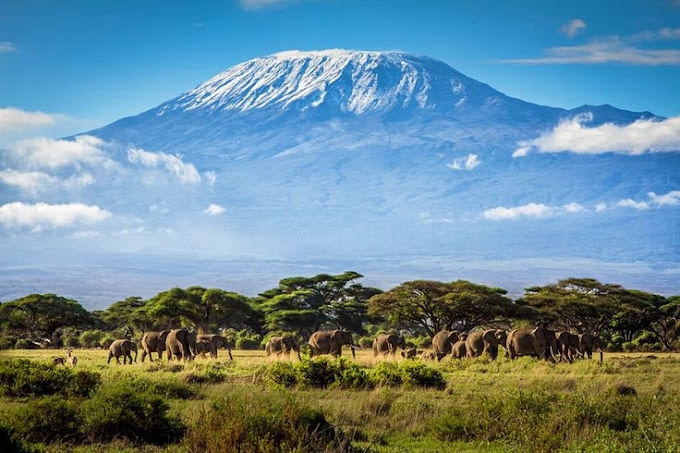
Amboseli National Park Kenya is one of Africa's most photogenic safari destinations, celebrated for close elephant encounters and clear views of Mount Kilimanjaro. At RoamRoar Safaris, we curate Amboseli journeys for travelers who want classic East Africa landscapes, strong game viewing, and memorable sunrise and sunset scenes with Kilimanjaro as a backdrop.
The park is especially known for its large, well-studied elephant families that move between swamps, open plains, and acacia woodland. Alongside elephants, visitors regularly see buffalo, zebra, wildebeest, giraffe, hyena, and large cats depending on season and location. Birdlife is also excellent around marshes and seasonal wetlands, making Amboseli a good fit for both first-time safari guests and experienced wildlife photographers.
Amboseli works well as a standalone short safari from Nairobi or as part of a wider Kenya circuit with Tsavo, Masai Mara, and Lake Naivasha. Travelers can choose from luxury camps, tented lodges, and mid-range options in and around the ecosystem, including conservancy stays that allow a quieter and more exclusive experience.
Whether your priority is wildlife photography, family adventure, or a honeymoon-style safari with dramatic scenery, Amboseli National Park Kenya delivers exceptional variety in a compact area. RoamRoar can customize your route, lodge mix, and activity pace so your time in Amboseli feels seamless, personal, and connected to the landscape. For many travelers, Amboseli becomes the emotional highlight of a Kenya trip because of its atmosphere, elephant encounters, and unforgettable mountain horizon. It is ideal for short safaris that still feel premium, cinematic, and deeply memorable.
Location
Amboseli Park is about 230 km southeast of Nairobi, near the Tanzanian border. The park has an amazing view of Mount Kilimanjaro. From Nairobi, the journey to the park takes approximately 4-5 hours. If you opt for transportation by air, chartered flights from Wilson Airport take 30-45 minutes to get to Amboseli airstrip. Both modes of transport promise scenic views of the park.
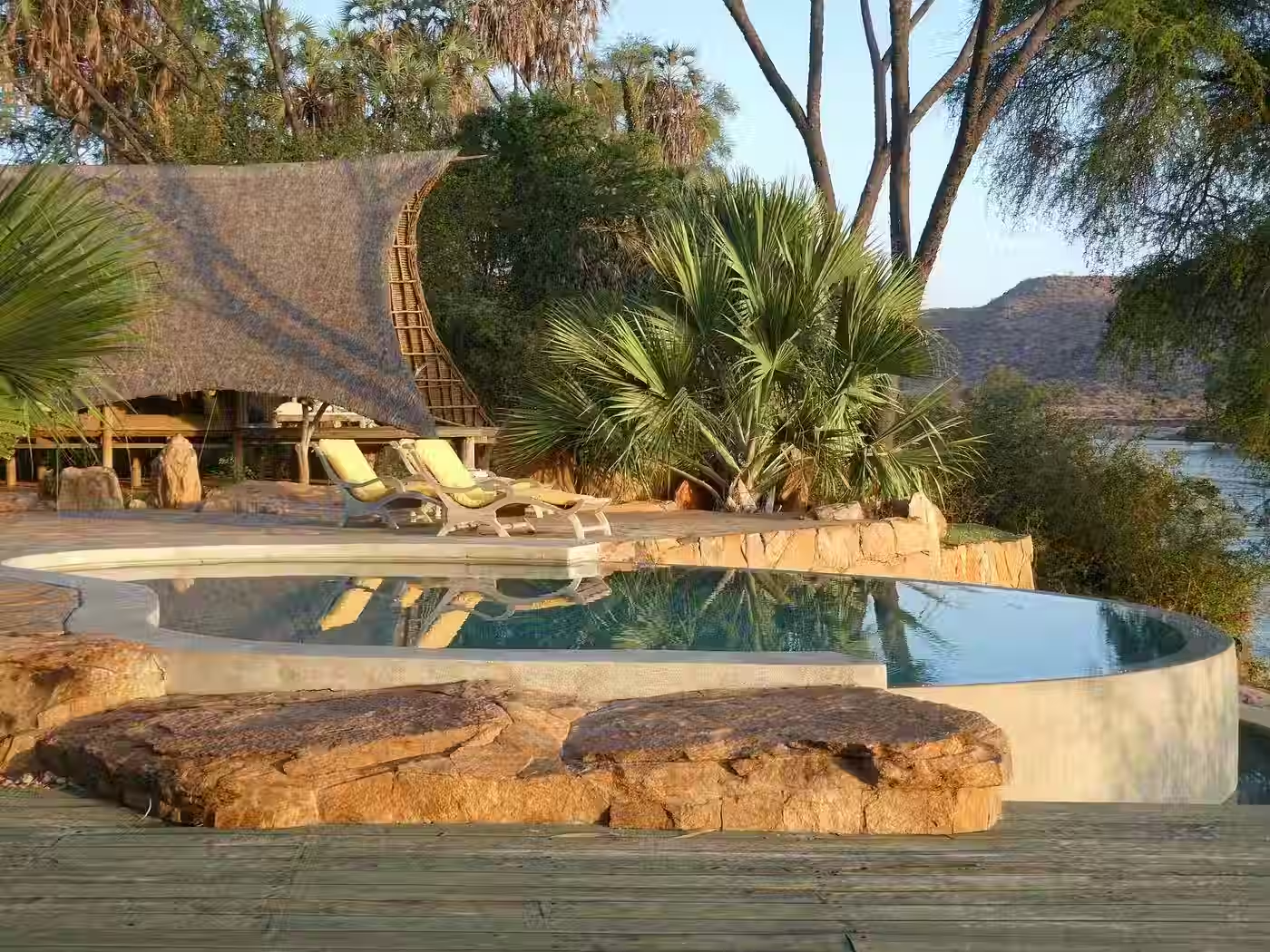
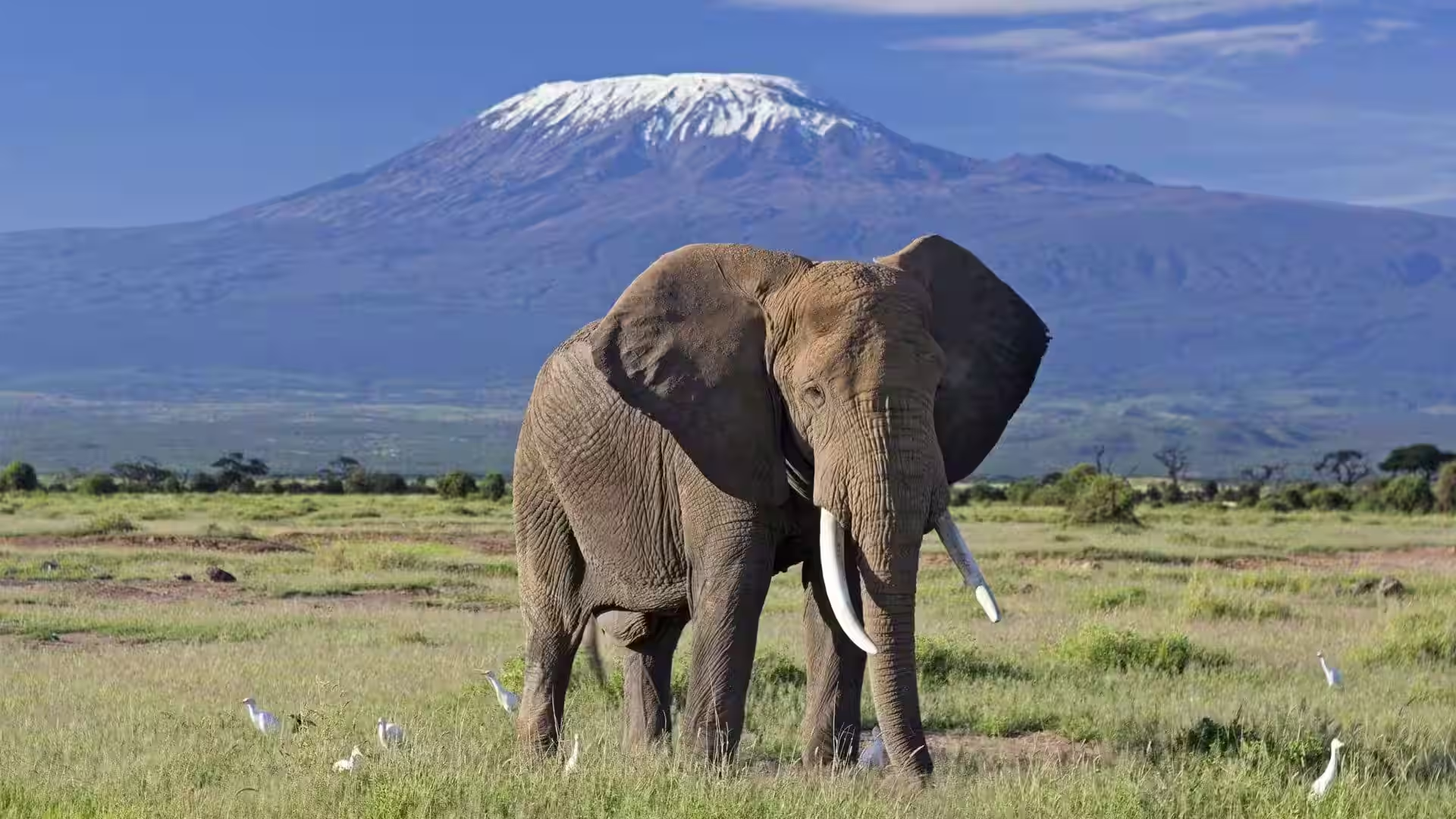


Amboseli Park Conservancies
Located just 10 miles north of Amboseli Park is the Selenkay Conservancy, which forms an important dispersal area for wildlife migration out of the park. It supports thriving populations of elephants, zebras, giraffes, and the big cats and still focuses on eco-tourism and community empowerment. Guests can enjoy cultural visits, night safaris, and guided walks, making it an authentic African adventure.
Accommodations
- Porini Amboseli Camp
- Selenkay Adventure Camp
- Elerai Camp
- Tawi Lodge

Located in the southwestern part of Amboseli National Park, this conservancy is a wildlife-rich paradise home to hyenas, lions, large elephant herds and leopards. With luxury tented camps and its remote location, this conservancy offers privacy while still enjoying Amboseli’s untamed beauty. The conservancy’s beauty lies in its open plains, dense woodlands, and seasonal marshes.
Accommodations
- Tortilis Camp Amboseli
- Elewana Tortilis Private House
- Kitirua Lodge

Located within Amboseli National Park, this sanctuary is a corridor connecting Amboseli, Chyulu Hills and Tsavo National Park. The sanctuary is an oasis teeming with hippos, zebras, elephants and buffaloes with Kilimanjaro at its background. Its landscape is famous for its acacia-dotted flora providing breathtaking views with peaceful nature walks and Maasai heritage.
Accommodations
- Angama Amboseli
- Kimana House
- Kimana Tented Camp
Amboseli Park Camps & Lodges
( In & Around )

Angama Amboseli
Around
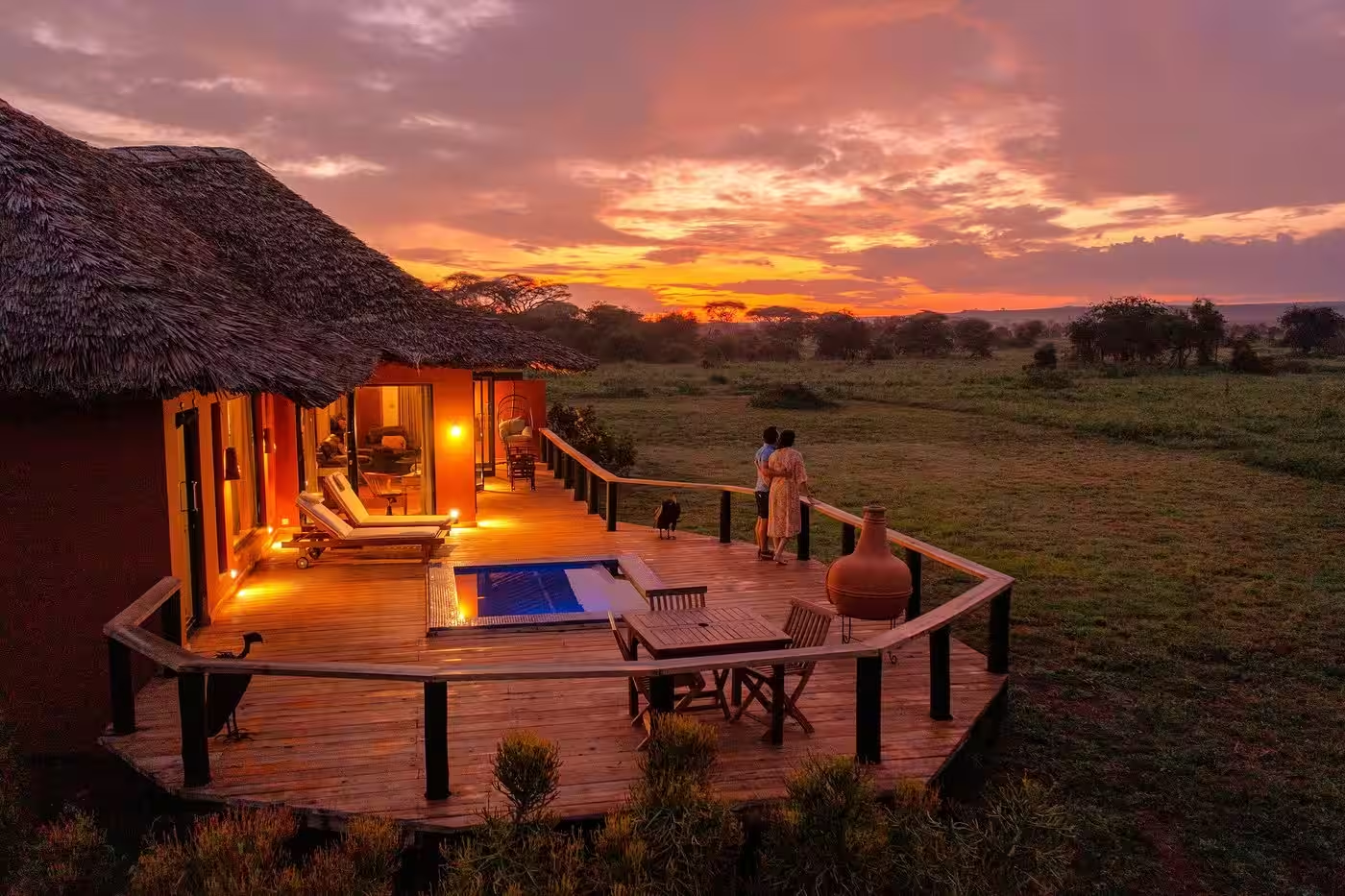
Tawi Lodge
Around
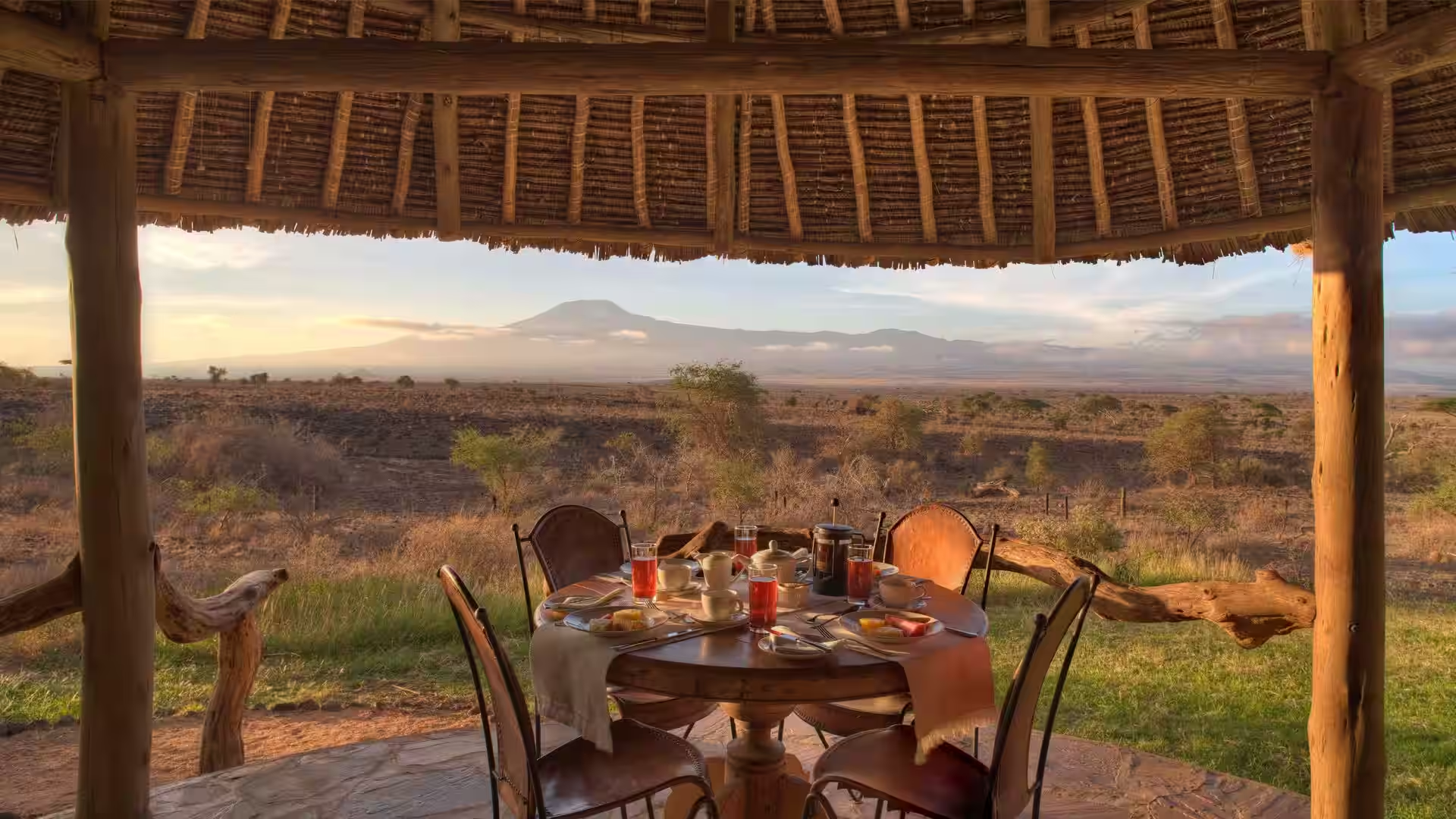
Elewana Tortillis Camp
Around

Ol Tukai Lodge
Inside
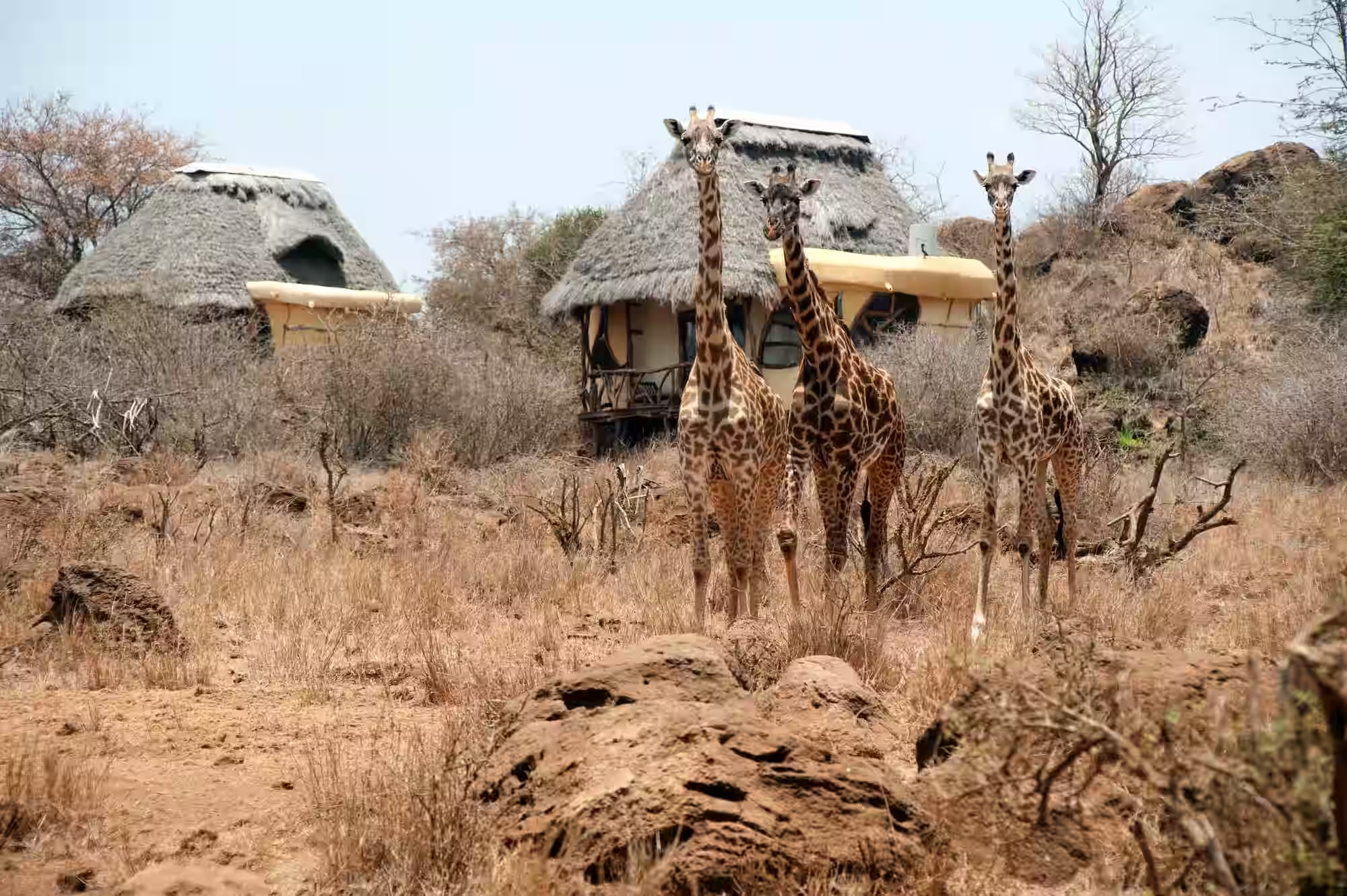
Elerai Camp
Inside
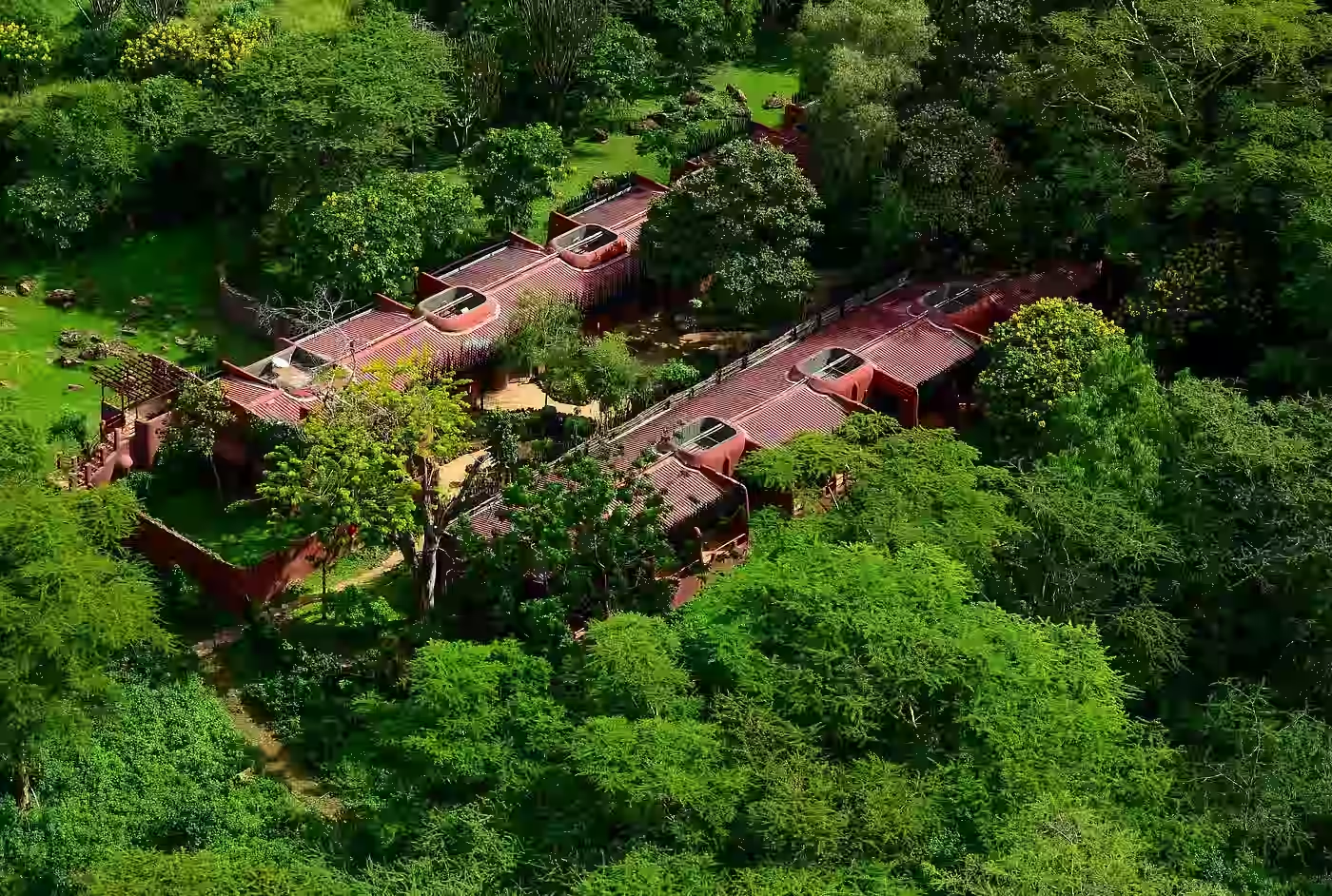
Amboseli Serena
Around
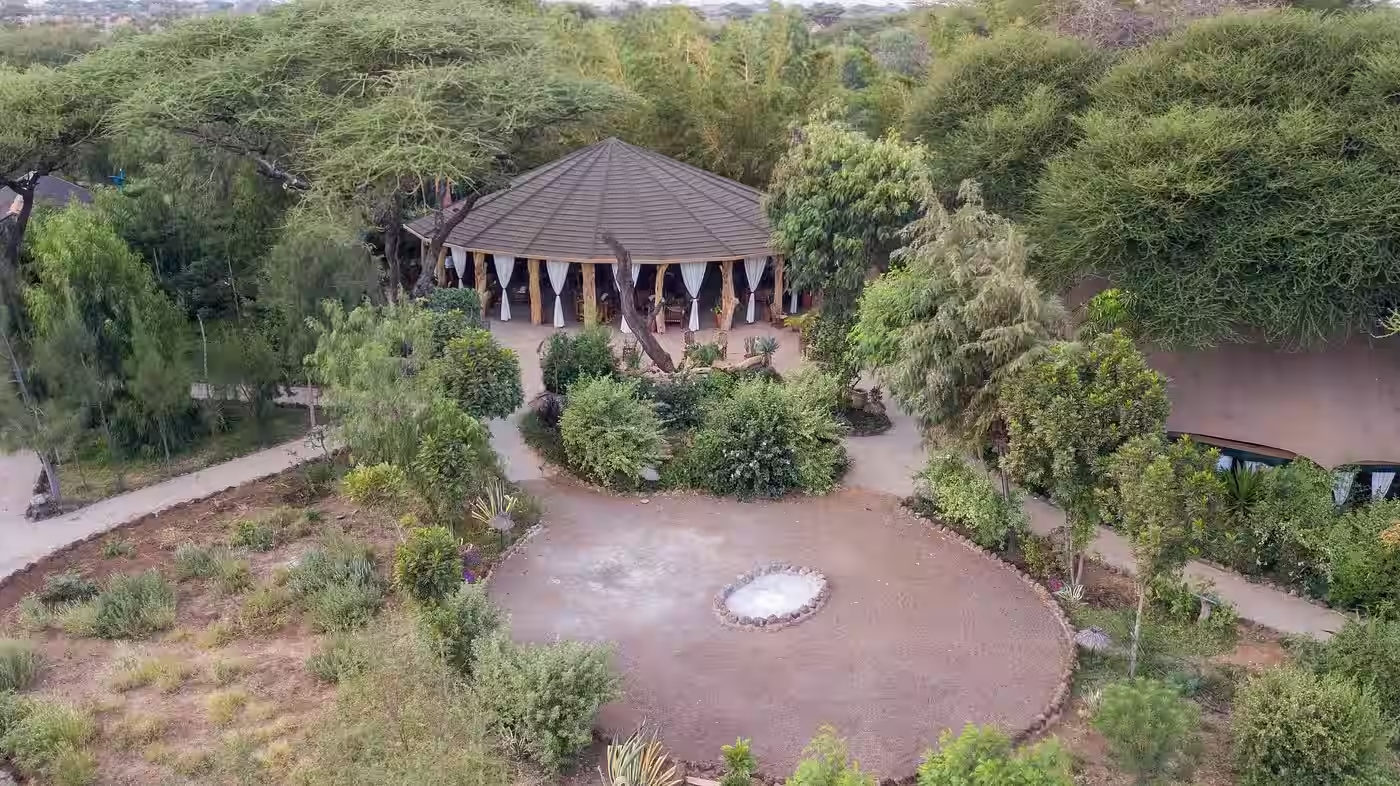
Kibo Safari Camp
Around
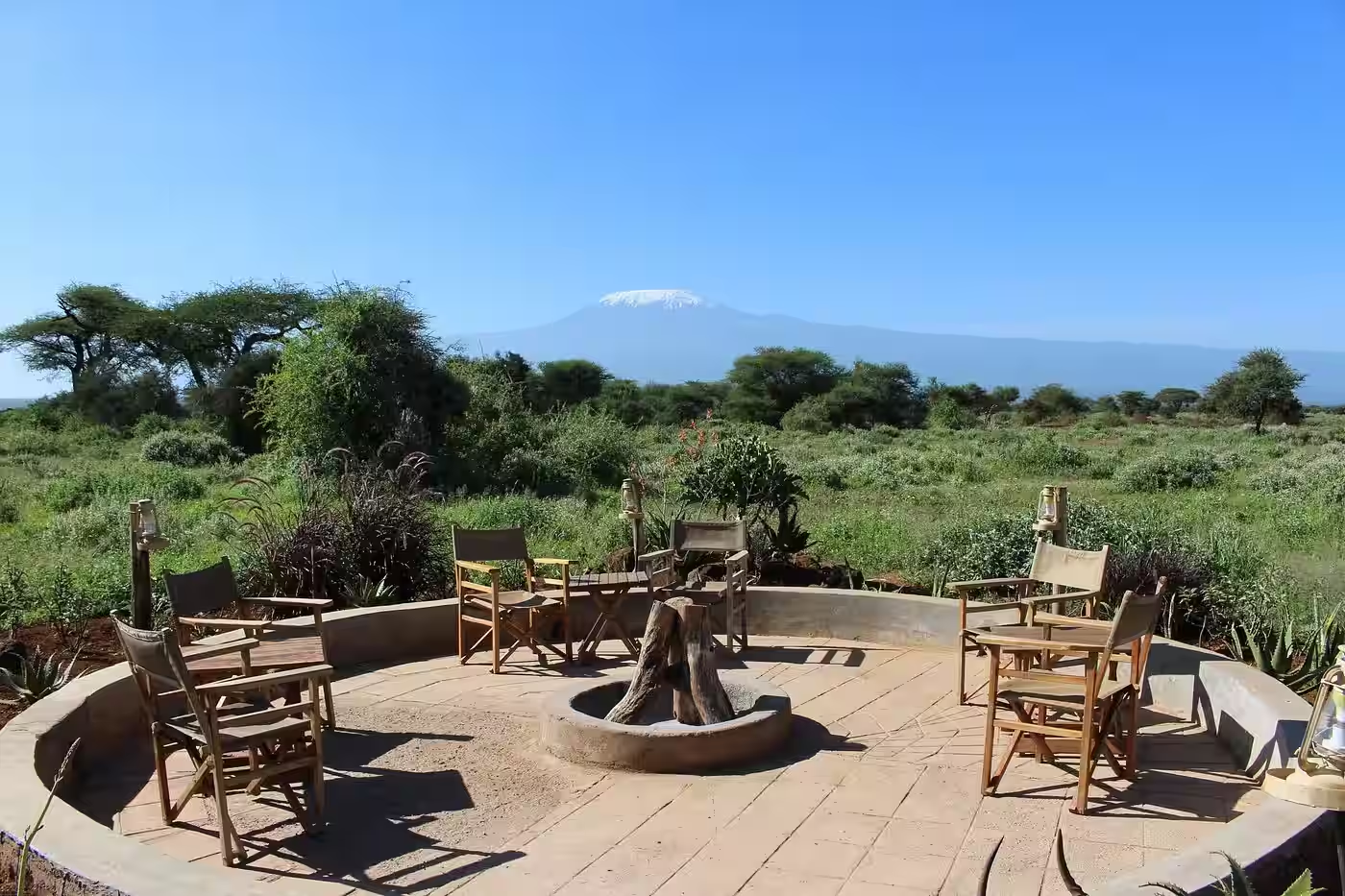
Tulia Camp
Around
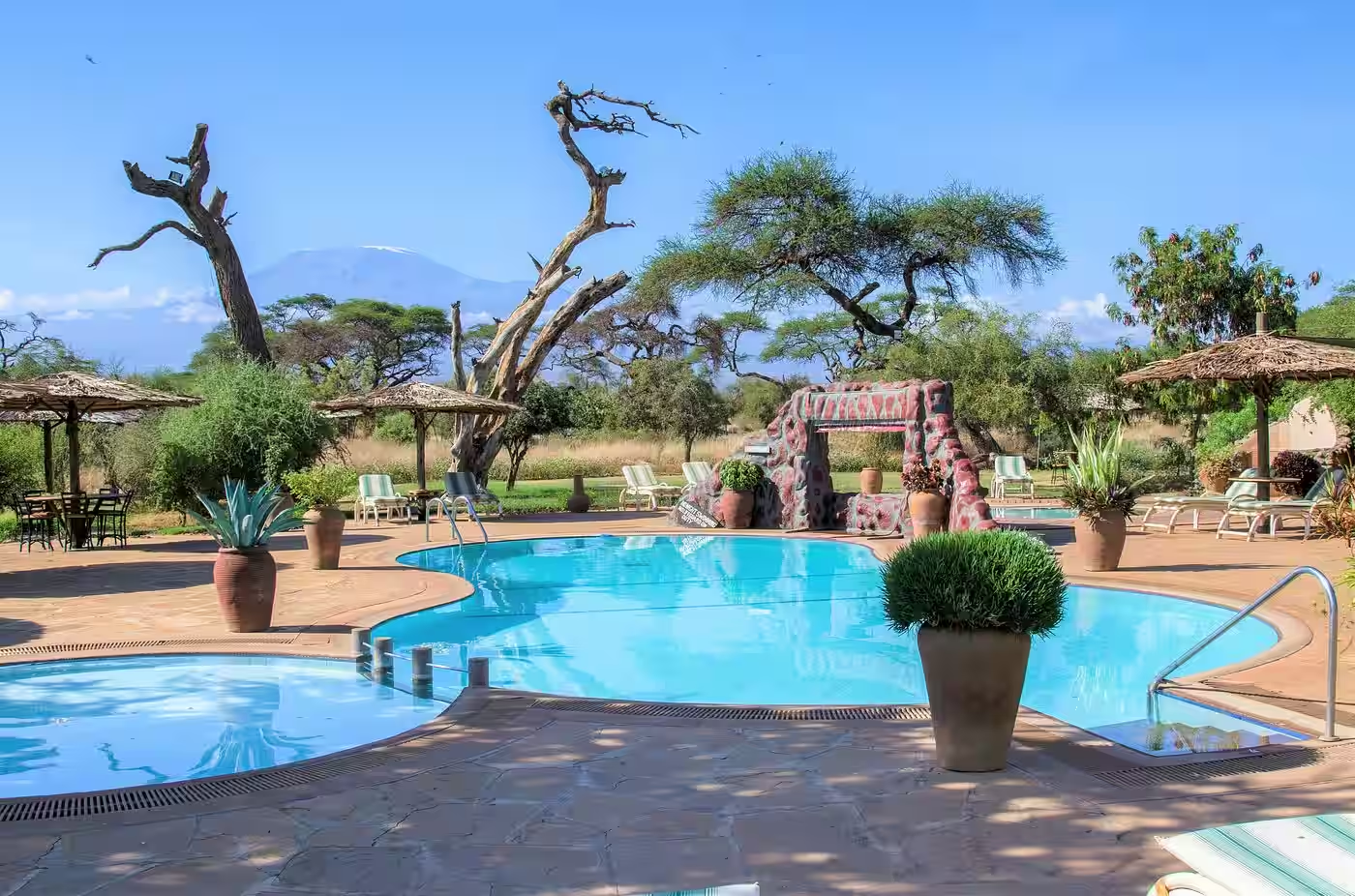
Sentrim Amboseli
Around

Amboseli Sopa Lodge
Around
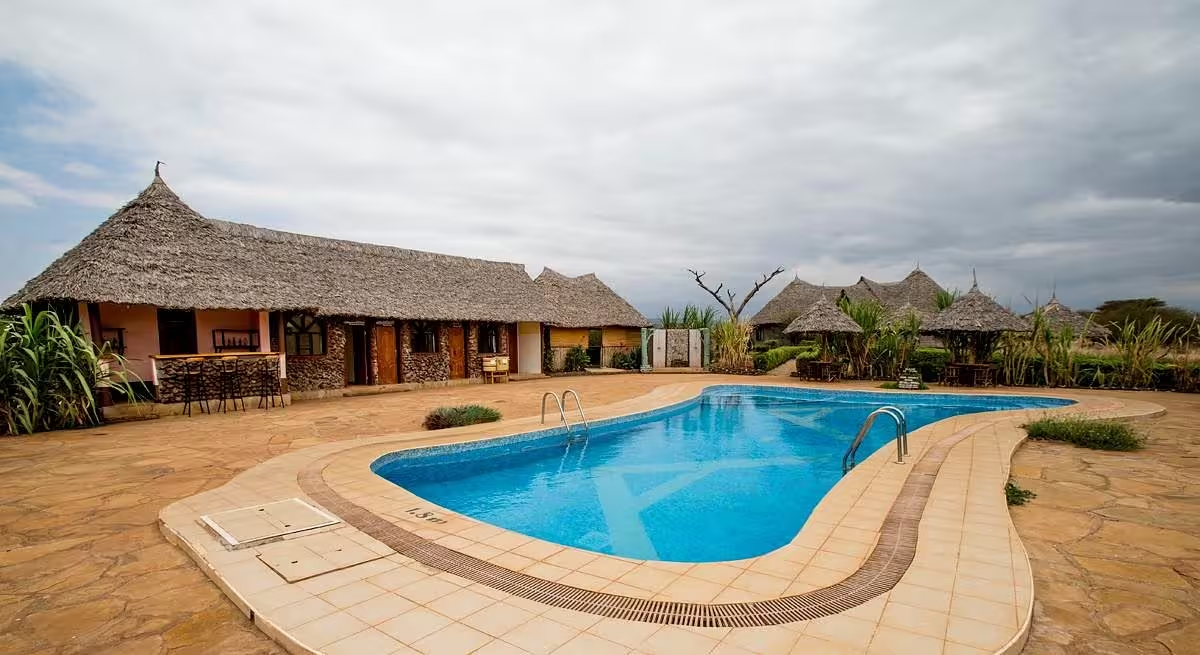
AA Amboseli Lodge
Around

Angama Amboseli Lodge
Around
Tawi Lodge
Around
Elewana Tortillis Camp
Around
Ol Tukai Lodge
Inside
Elerai Camp
Inside
Kibo Safari Camp
Around
Amboseli Serena
Around
Tulia Camp
Around
Sentrim Amboseli
Around
Amboseli Sopa Lodge
Around
AA Amboseli Lodge
Around
Amboseli Park Airstips
Just minutes away from Amboseli Serena Safari Lodge is Amboseli Airstrip at an altitude of 3,700 feet at the base of Mount Kilimanjaro. Arrival time is around 9:00 AM, and most departures are scheduled for 4:00 PM.

Kimana Airstrip sits at an altitude of 3,900 feet with direct access to Kimana Sanctuary and Kibo Safari Camp. Its arrival schedule is by 10:00 AM, and its departure schedule is by 3:30 PM to the great views and peaceful atmosphere of Kilimanjaro.

Satao Elerai Airstrip is a private airstrip serving the exclusive Satao Elerai Camp, an eco-lodge that is secluded offering unbeatable views and serene safari vibes. This airstrip is 3,600 feet above sea level with arrival time being 10:30 AM and departure time 2:00 PM.

4,600 feet above sea level, the airstrip delivers visitors straight to Ol Donyo Lodge, which has panoramic views of Chyulu Hills and game drives in the horizon. Ol Donyo airstrip’s arrival schedule is 11:00 AM, and departure time is 3:00 PM.

At an altitude of 5,300 feet, Loitoktok airstrip flights typically arrive around 9:30 AM and depart at around 4:00 PM. Loitoktok airstrip offers quick access to Kibo Slopes Cottages and Loitoktok Town.
.avif)
Amboseli Wildlife

Selenkay Conservancy
Lions, Leopards, cheetahs, elephants, wildebeest, buffaloes, African wild dogs, hyenas, jackals, foxes, antelopes (impalas, gerenuks, lesser kudus), and birds (ostriches, secretary birds, hornbills, raptors)
Kimana Sanctuary
Elephants, buffalo, hippos, zebras, giraffes, lions, cheetahs, leopards, hyenas, antelopes (waterbucks, impalas, gazelles), and birds (flamingos, African eagles, herons, kingfishers) Wildebeest, zebras, and Thomson’s and Grant’s gazelles
Kitirua Conservancy
Lions, Leopards, cheetahs, elephants, buffaloes, zebras, giraffes, wildebeests, hyenas, jackals, vultures, and birds (martial eagles, kori bustards, secretary birds)
Why Visit Amboseli National Park Kenya?
Amboseli National Park Kenya is one of the best safari destinations for travelers who want two iconic experiences in one place: close elephant encounters and mountain-backed landscapes. The park's open plains and swamp systems create strong visibility for game viewing, while Mount Kilimanjaro provides one of the most recognizable photography backdrops in East Africa.
Amboseli also works well for different trip styles. It can be done as a short premium safari from Nairobi, a family-friendly wildlife stop, or part of a longer circuit with Mara, Naivasha, Nakuru, Samburu, or Tsavo. For many travelers, Amboseli is the park that delivers the most memorable photos per day.
Elephant Encounters in Amboseli
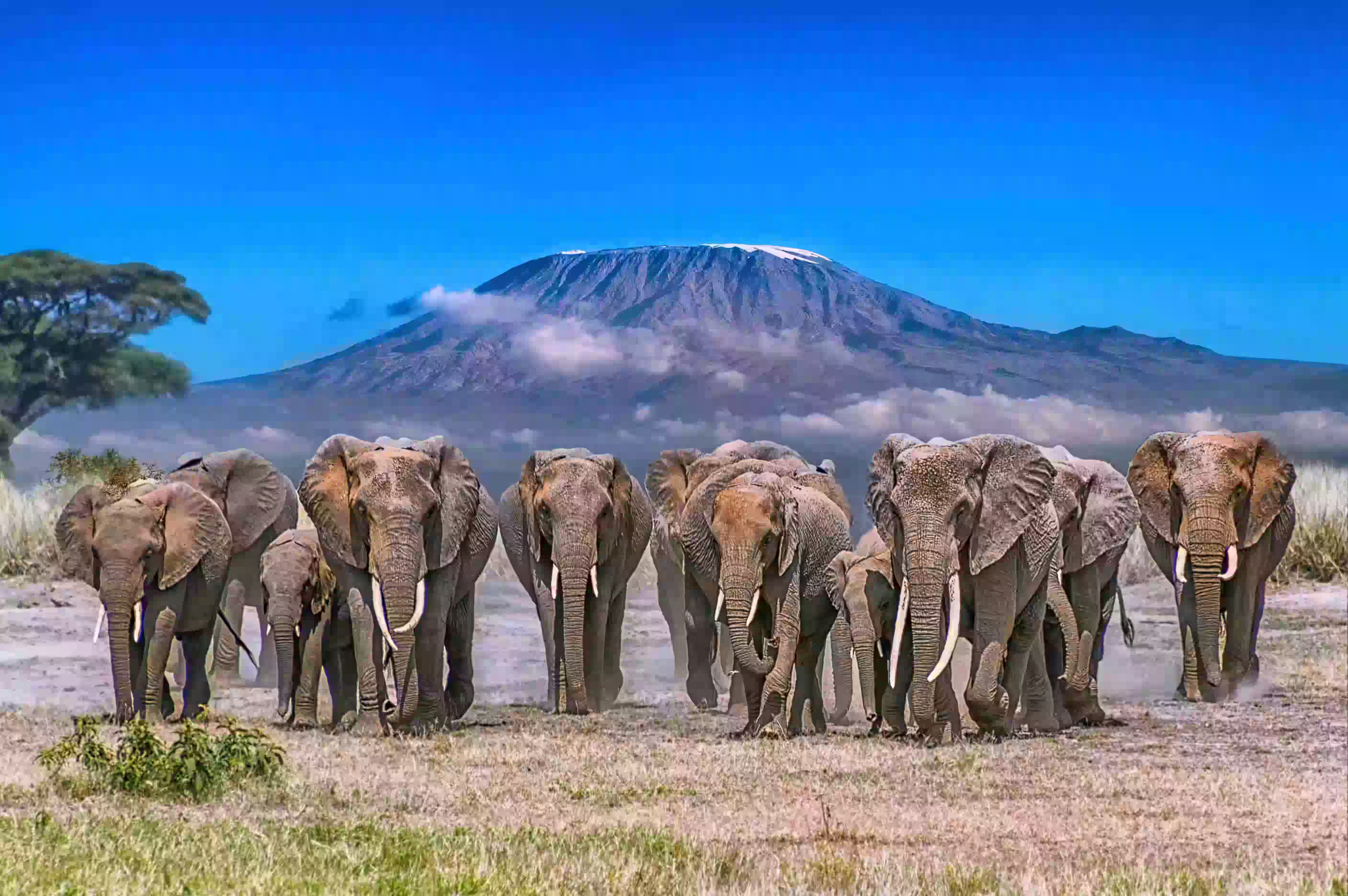
Amboseli is globally known for its large elephant herds and long-running elephant research history. You can often observe family groups moving between swamps and dry plains, which creates excellent opportunities to see social behavior, calf movement, and interactions between matriarch-led groups.
For the strongest elephant sightings, plan early-morning and late-afternoon drives around wetland edges and feeding corridors. Midday can still be productive near permanent water sources, especially in drier periods when elephants return to marsh zones.
Best Kilimanjaro Viewpoints in Amboseli
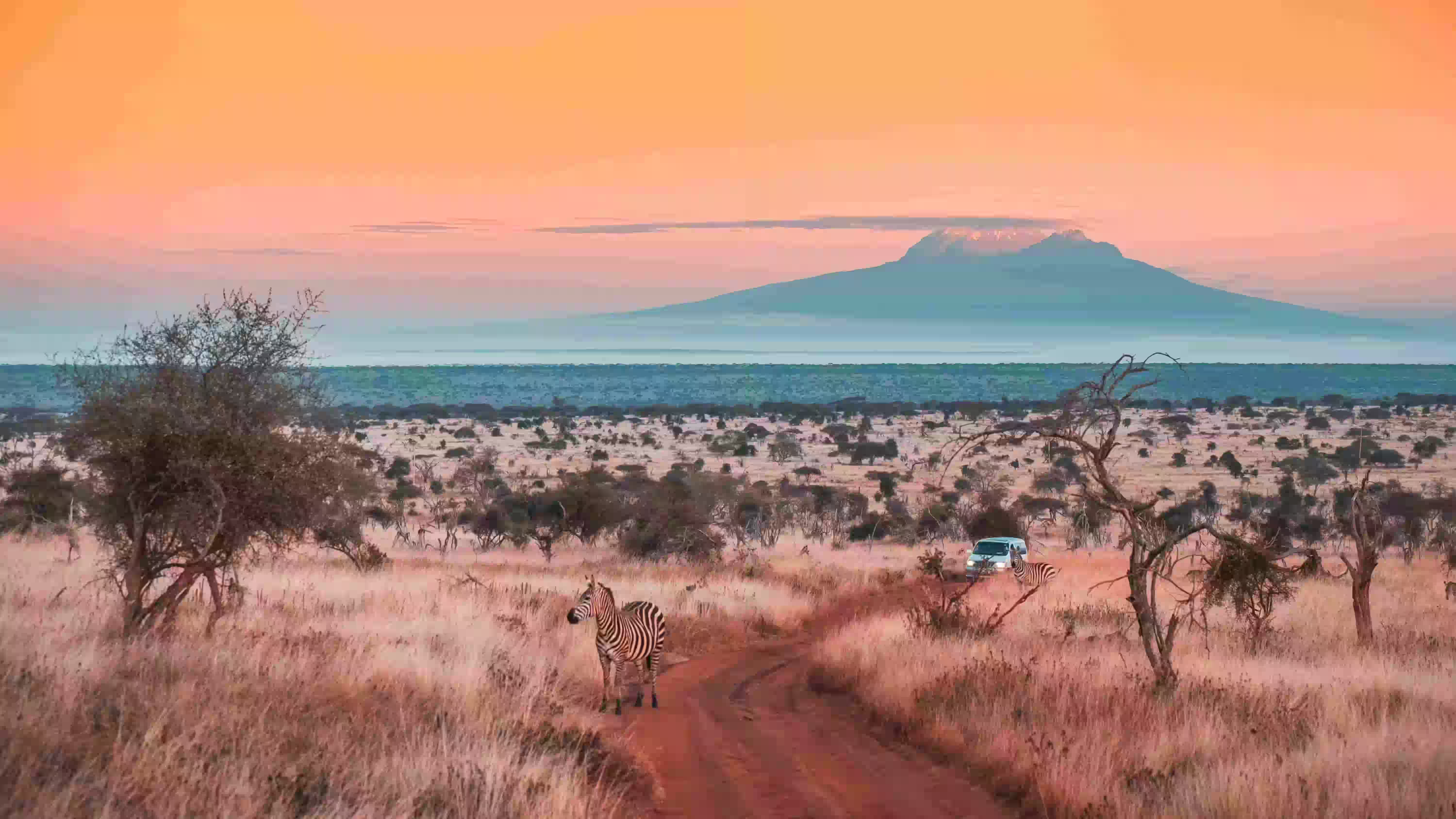
Kilimanjaro visibility is usually best at sunrise and around sunset when cloud cover is lower and light is softer. Wide, open sections of the park and elevated lodge viewpoints often give the clearest mountain-and-elephant compositions for photography.
Because visibility changes quickly with weather, staying at least two nights improves your chances of seeing the summit clearly. Build flexible game-drive timing into your itinerary so you can prioritize mountain shots when conditions open.
Amboseli Wildlife Checklist by Habitat
Open plains: elephant, zebra, wildebeest, and occasionally large predators moving across short-grass areas.
Swamps and wetlands: elephant concentrations, buffalo, water-associated birds, and strong morning activity.
Woodland and scrub edges: giraffe, hyena, and mixed herbivore species, with predator potential depending on season.
Birdlife adds major value to Amboseli safaris. Wetland and seasonal water zones attract a broad range of resident and migratory species, making the park a strong choice for travelers who want both mammal viewing and bird photography in one destination.
Best Time to Visit Amboseli National Park
Amboseli can be visited year-round, but your ideal timing depends on travel goals. Drier months are often preferred for easier road movement, cleaner game-drive logistics, and concentrated wildlife around reliable water. Greener months can offer dramatic skies, richer color, and strong birdlife activity.
If Kilimanjaro photography is a top priority, prioritize multi-day stays rather than relying on a single morning. Visibility is weather-dependent, so schedule flexibility is more important than chasing one exact date.
How to Get to Amboseli from Nairobi
Most travelers reach Amboseli from Nairobi by road or light aircraft connection. Road transfers are common for overland safaris and usually take most of a day depending on route and stops. Flying is faster and can preserve more game-drive time on shorter trips.
If you only have 2 to 3 days, flight-in planning can improve overall safari quality. For longer itineraries, road routing is often efficient and works well when linking Amboseli with other Kenya parks in one circuit.
Private Conservancies Around Amboseli
Private conservancy options around the Amboseli ecosystem are ideal for travelers who want quieter game drives and a more exclusive safari rhythm. These areas can offer lower vehicle density and a different style of guiding compared with busier public routes.
Conservancy stays are especially useful for photographers, honeymoon trips, and repeat visitors who want depth over volume. They also pair well with main-park game drives to create a balanced itinerary of classic sightings plus low-traffic sessions.
Rhinos in Lake Nakuru: Best Areas and Timing
Lake Nakuru is best known for reliable rhino sightings, but the broader wildlife mix is excellent. You can expect regular encounters with black and white rhino, buffalo, lion, zebra, waterbuck, baboon, and Rothschild's giraffe. Leopard are present and usually seen with patient tracking in quieter sections of the park.
Sample 2-Day and 3-Day Amboseli Itineraries
2-day structure: arrive from Nairobi, do an evening game drive, then one sunrise drive focused on elephants and Kilimanjaro views before departure. This is efficient but tight.
3-day structure: one arrival-day drive plus two full game-drive windows, allowing better weather flexibility for mountain visibility and more complete wildlife coverage. This is the most recommended format for first-time Amboseli visitors.
Amboseli and Masai Mara Safari Combination
Amboseli and Masai Mara is one of Kenya's strongest multi-park combinations. Amboseli provides elephant-focused viewing and mountain scenery, while Mara adds broader predator density and migration potential in season.
A practical combination is 5 to 7 days depending on transfer style. Use Amboseli first for scenic, lower-rush pacing, then continue to Mara for high-intensity game drives. This sequencing gives variety without repeating the same safari feel each day.
Park Fees, Safari Tips, and Packing List
Amboseli National Park entrance fees and related safari costs can vary by visitor category and season, so confirm current rates before final payment. Beyond park entry, budget for transport style, guiding format, and lodge tier.
Pack layered clothing for cool mornings and warm afternoons, neutral tones for game drives, sun protection, binoculars, and camera backup batteries. During wetter periods, a light waterproof layer and dust-protected gear setup are strongly recommended.
Plan Your Amboseli Safari with RoamRoar
RoamRoar designs custom Amboseli National Park Kenya itineraries based on your goals, budget, and preferred pace. Whether you want elephant-focused photography, a family-friendly short safari, or an Amboseli-Mara combination, we shape the route for both sightings and comfort.
Share your travel dates, group size, comfort tier, and key priorities, and we will build a clear itinerary with lodge options, transfer logic, and practical day-by-day pacing so your Amboseli experience feels seamless and high-value.
Amboseli Common Activities
Hot air balloon
Masai Village Visit
Guided Nature walks in private conservancies
Stargazing
Scenic Flights
Game drives
Camping & picnicking
Photography


Amboseli National Park FAQs
What is Amboseli National Park Kenya best known for?

Amboseli National Park Kenya is best known for close elephant encounters and iconic Mount Kilimanjaro views. It is one of the top destinations in East Africa for photography, with open plains, marsh habitats, and dramatic light conditions at sunrise and sunset.
When is the best time to visit Amboseli?
The main dry seasons, usually June to October and January to February, are preferred for easier game viewing and road access. Wet months can still be rewarding for scenery and birding. Your best timing depends on whether wildlife density or landscape color matters most.
Can you always see Mount Kilimanjaro from Amboseli?
Kilimanjaro visibility depends on weather and cloud cover, especially early morning and late afternoon. Clear views are common but not guaranteed every day. Staying at least two nights improves your chances of seeing the mountain in full and capturing strong photos.
How many days are ideal for an Amboseli safari?
Two to three days is ideal for most travelers. This allows multiple game drives, better chances for clear Kilimanjaro views, and enough time to enjoy elephant-focused areas without feeling rushed. Longer stays can include nearby conservancies and cultural experiences.
Can I combine Amboseli with other Kenya safari destinations?
Yes. Amboseli combines very well with Masai Mara, Lake Naivasha, Lake Nakuru, Amboseli, Tsavo, and the Kenyan coast depending on your route and trip length. RoamRoar can tailor combinations for families, couples, or photographers who want variety without unnecessary transfer fatigue.