Masai Mara Reserve



Introduction
Maasai Mara National Reserve Kenya is one of the world's most famous safari destinations, known for abundant predator sightings, expansive savannah landscapes, and the annual wildebeest migration. At RoamRoar Safaris, we design Mara journeys that balance wildlife intensity with comfort, so you can experience the reserve and nearby conservancies at the right pace for your travel style.
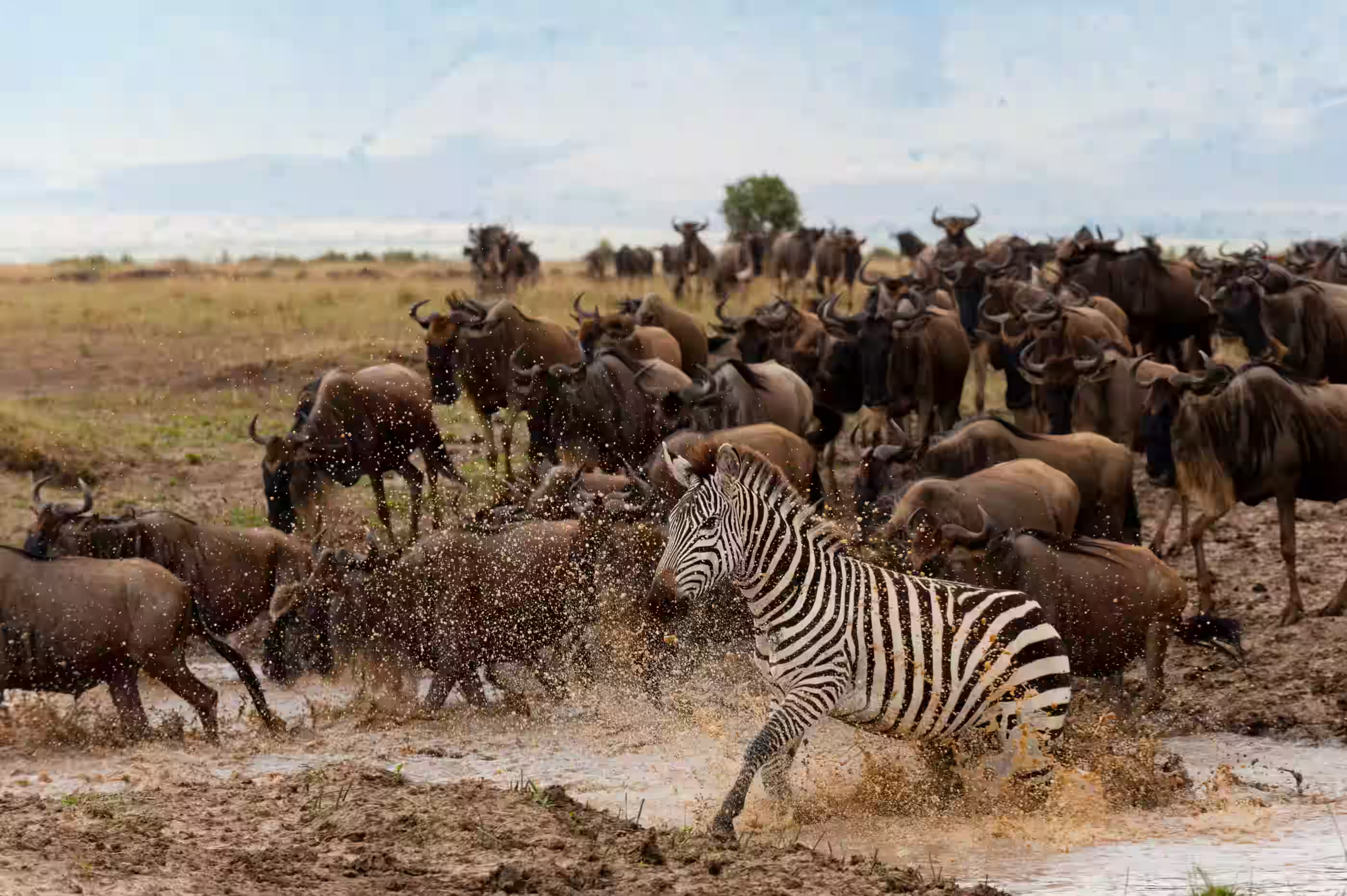
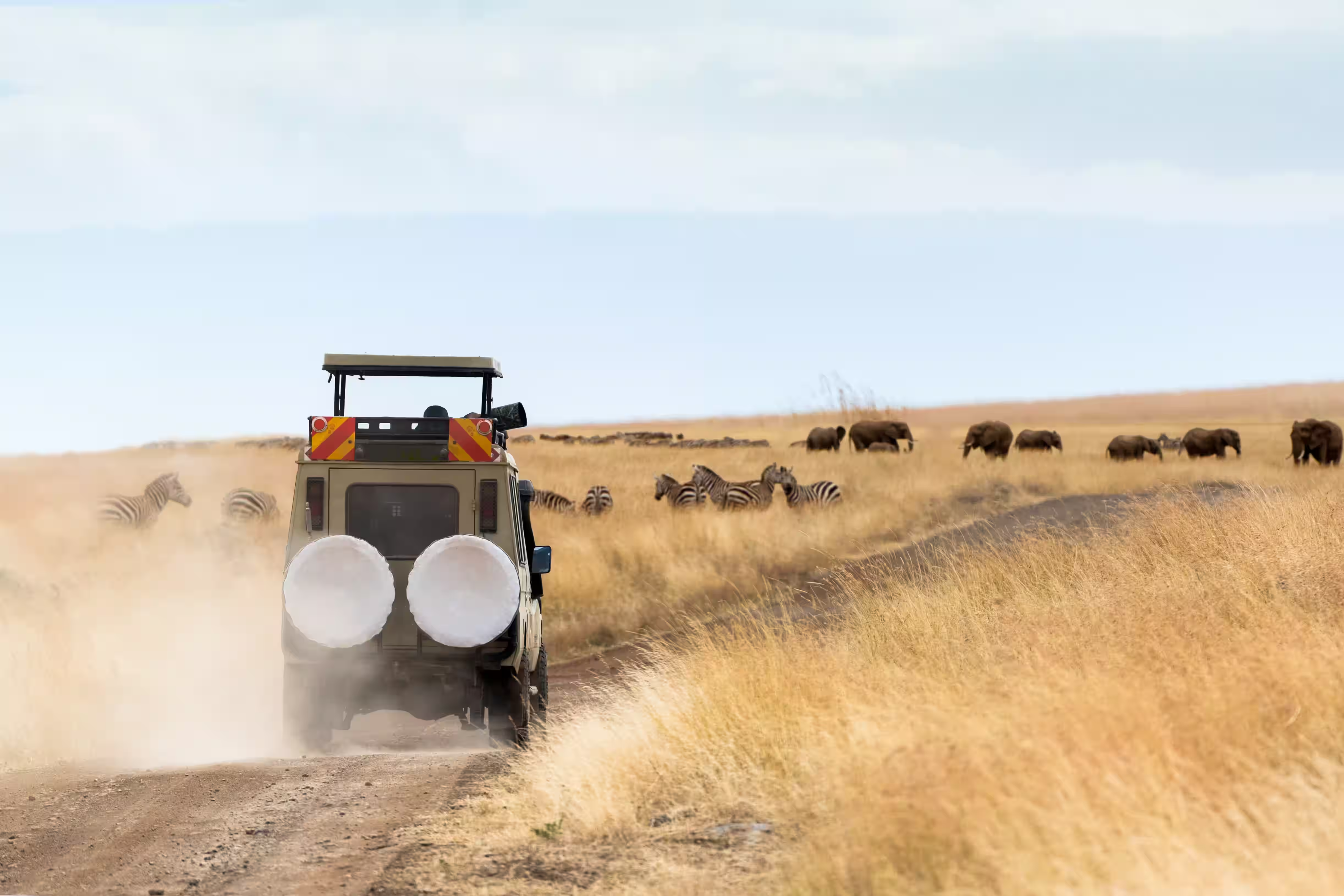
The reserve offers year-round game viewing, with strong chances of seeing lions, elephants, buffalo, giraffes, hyenas, and large herds of plains game. From roughly July to October, the migration window brings dramatic river crossings and dense wildlife concentrations that attract visitors from across the world. Outside migration season, the Mara remains exceptional, with fewer crowds, rich resident wildlife, and outstanding photography opportunities.
A key advantage of planning your Maasai Mara safari with expert support is choosing the right base area. Different gates, conservancies, and camp locations can significantly affect drive times, game density, and overall experience. RoamRoar helps you match your lodge and route to your priorities, whether that is migration action, luxury privacy, family-friendly logistics, or a combined Kenya circuit including Lake Nakuru, Naivasha, or Amboseli.If you are looking for a destination that delivers iconic East Africa safari moments with flexible itinerary options, Maasai Mara National Reserve Kenya should be at the center of your plan. We will tailor every detail from arrival flow to game drive rhythm. This ensures your safari is not only exciting, but also efficient, comfortable, and fully aligned with your specific goals and your travel priorities.
Location
Masai Mara Reserve or Masai Mara National Reserve is located 225 km from Nairobi, taking approximately six hours to get to either Sekenani, Talek, or Oloolaimutia gates. If you choose to travel by air, the journey will take approximately one hour from Wilson Airport in Nairobi to a variety of airstrips like Keekorok, Kichwa Tembo, and Angama airstrips, and this will depend on the accommodation chosen.

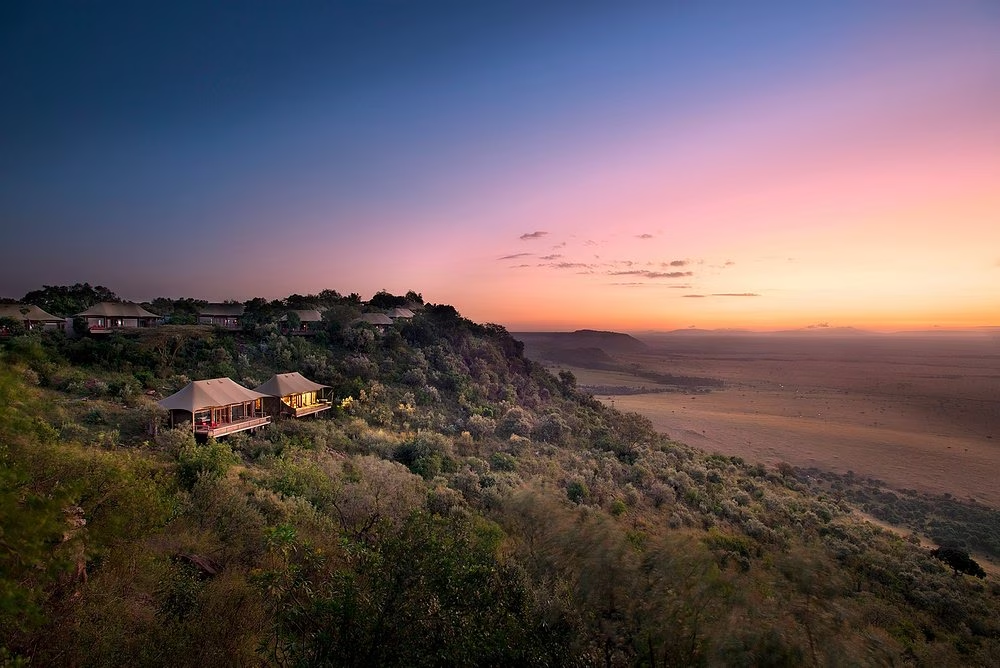


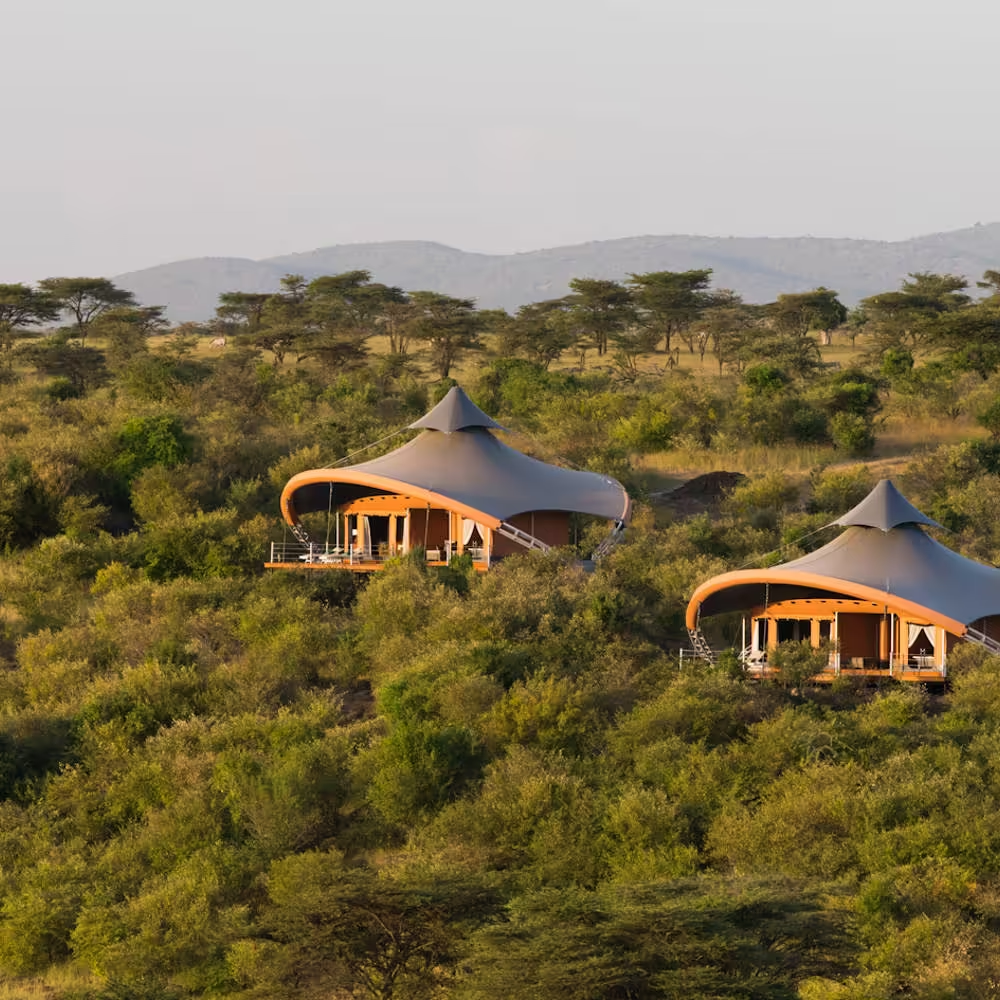
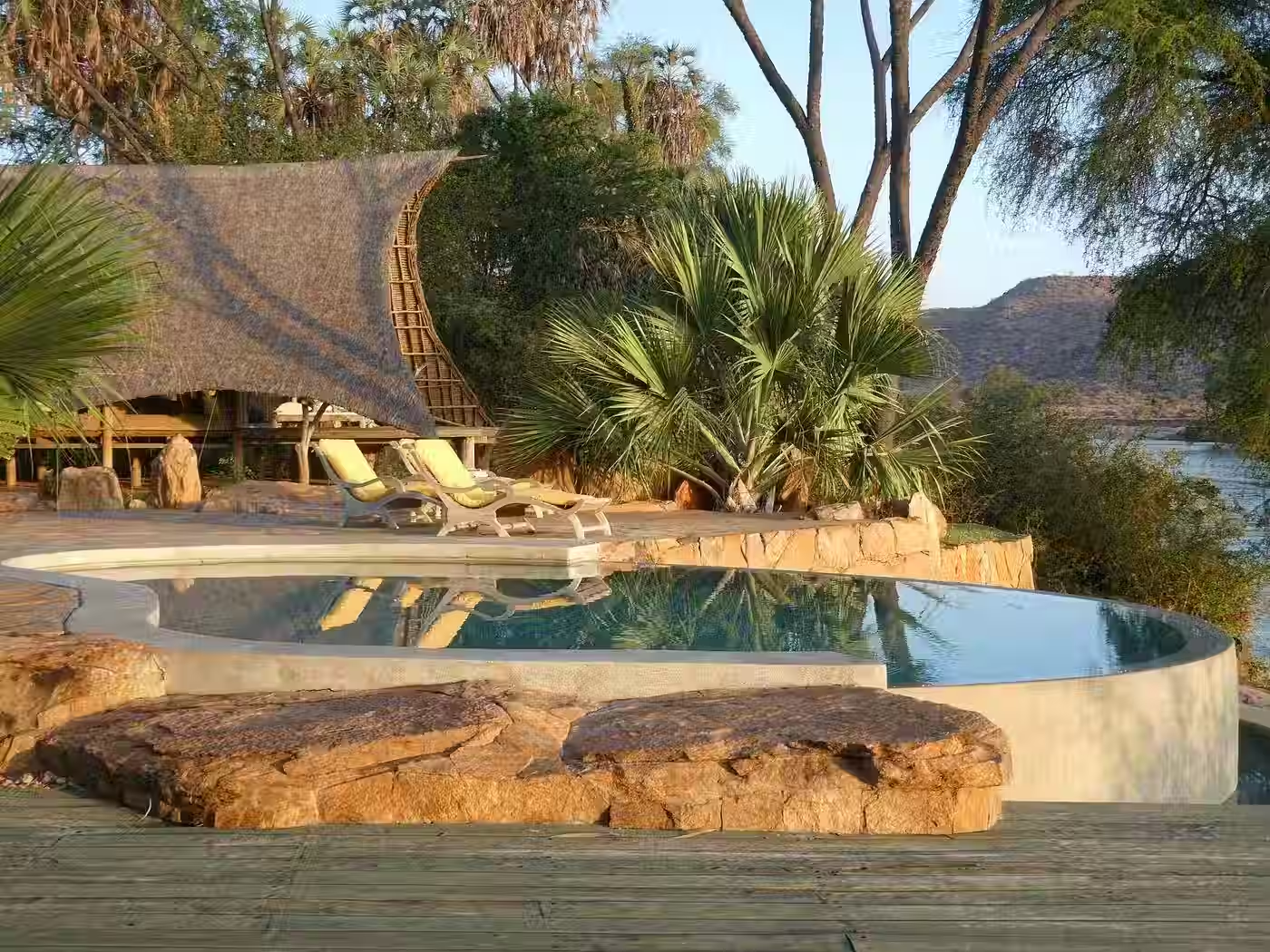
.avif)
Masai Mara Reserve Conservancies (cvn)
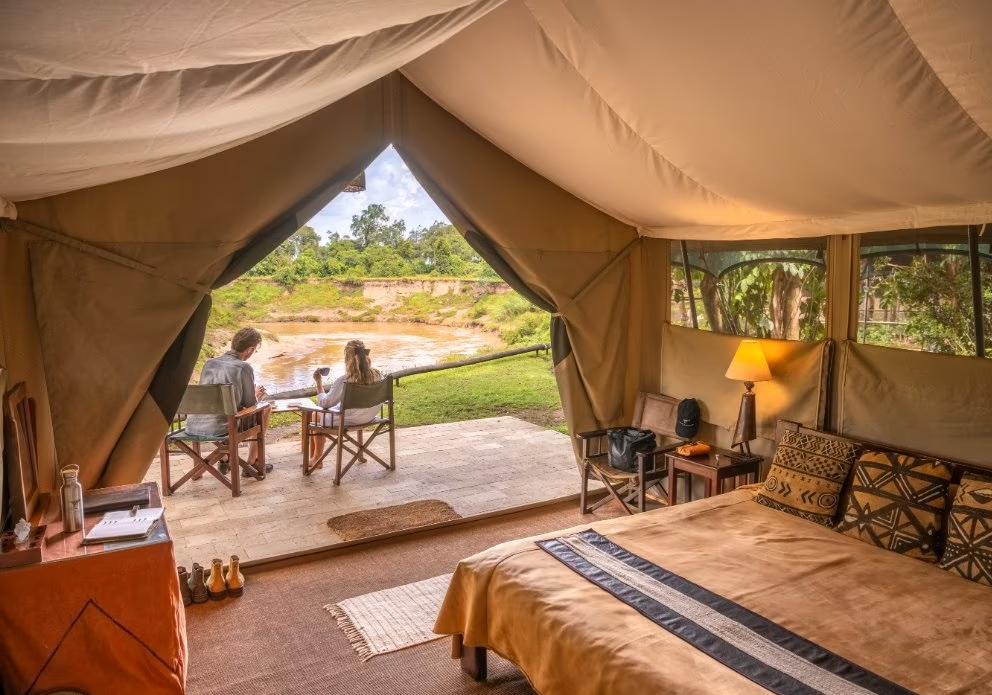
It is one of the biggest and most prestigious conservancies, covering 320 sq km. The conservancy is community-owned, which limits the number of guests promoting exclusive safaris. It offers activities such as walking safaris, off-road game drives, and night drives, which cannot be offered in the Reserve. Some of the most luxurious safari lodges and tented camps that offer high-end services are located in this conservancy.
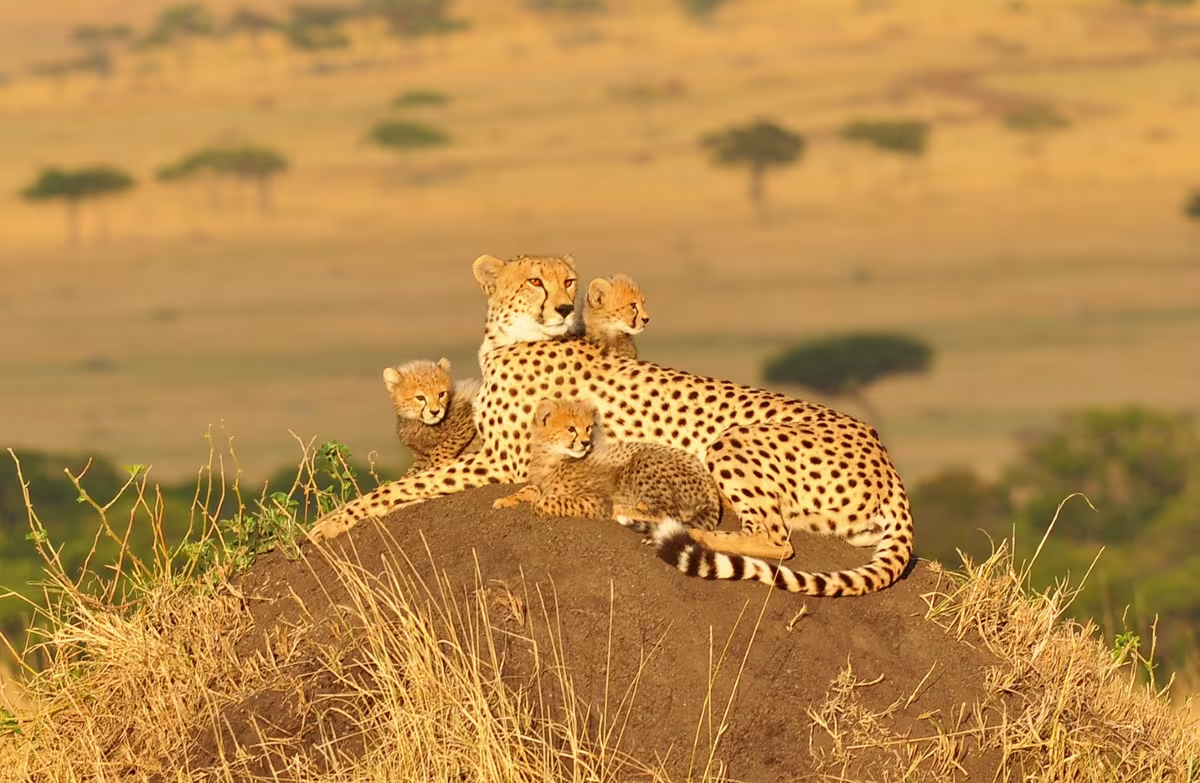
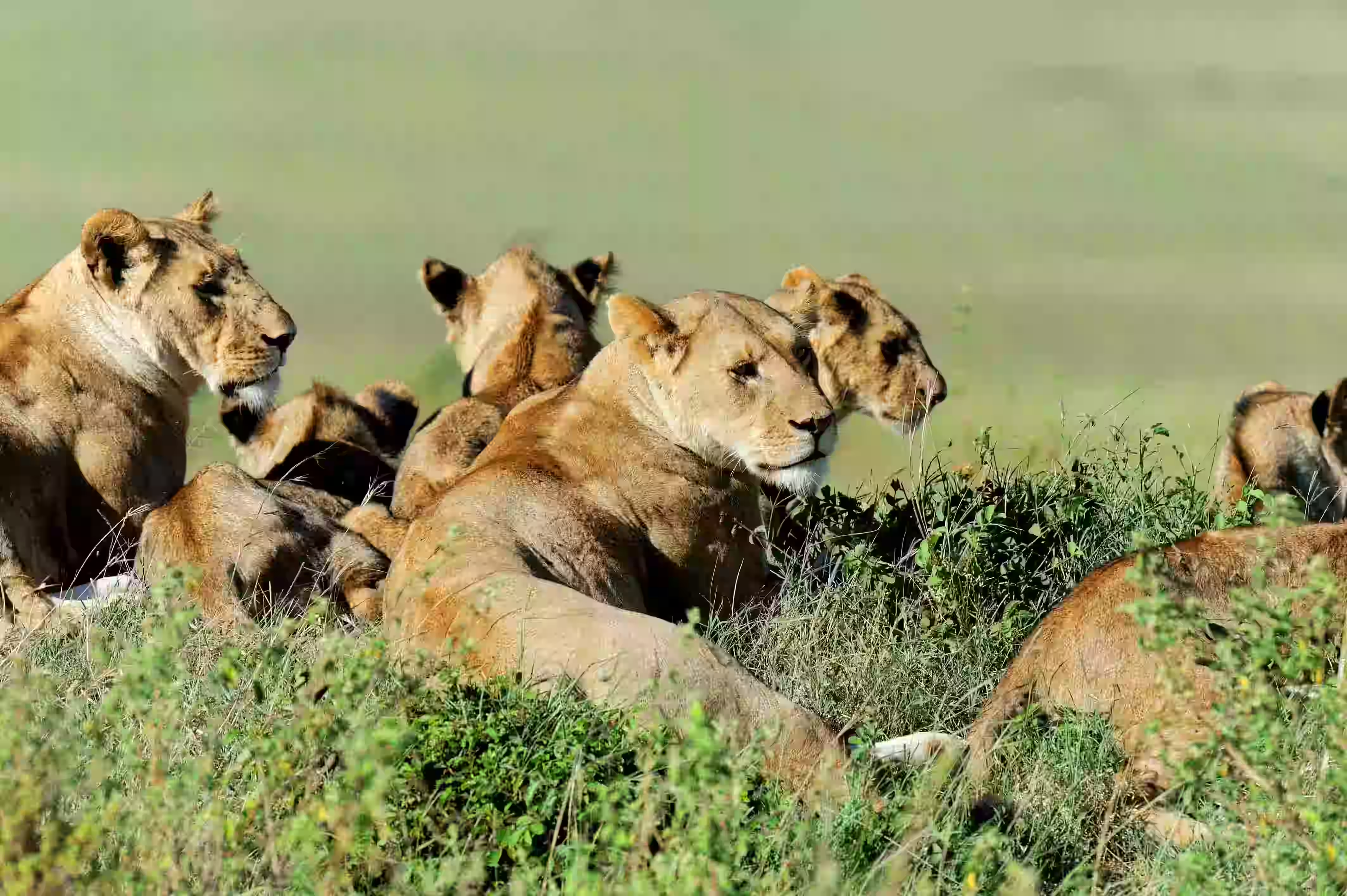
Home to a high density of predators is Olare Motorogi Conservancy. Large lion prides, leopards and cheetahs roam in the conservancy. The camp also offers intimate game drives that are not crowded, giving the guests an experience of off-road game drives, walking safaris, and night drives. The conservancy is a vital part of the Great Wildebeest migration route.
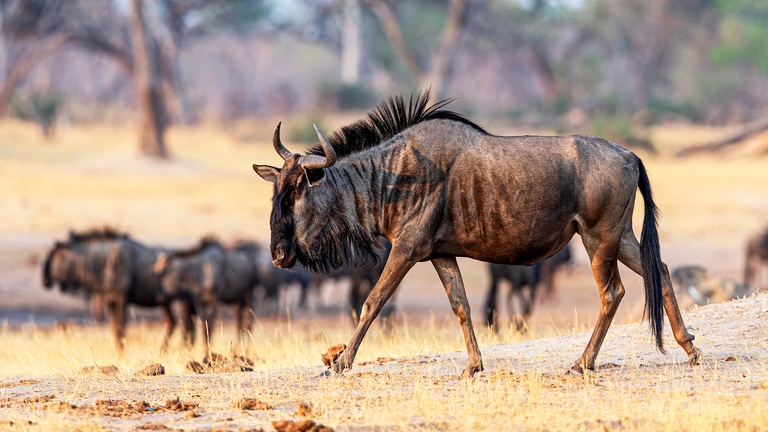
It is one of the best-kept secrets of the Masai Mara, covering 200 sq km. Combining its commitment to sustainable tourism and community development and engaging activities such as horseback safaris and guided walking safaris makes it an ideal destination for travelers. Naboisho Conservancy offers a balance of luxury, exclusivity, and authentic experiences.
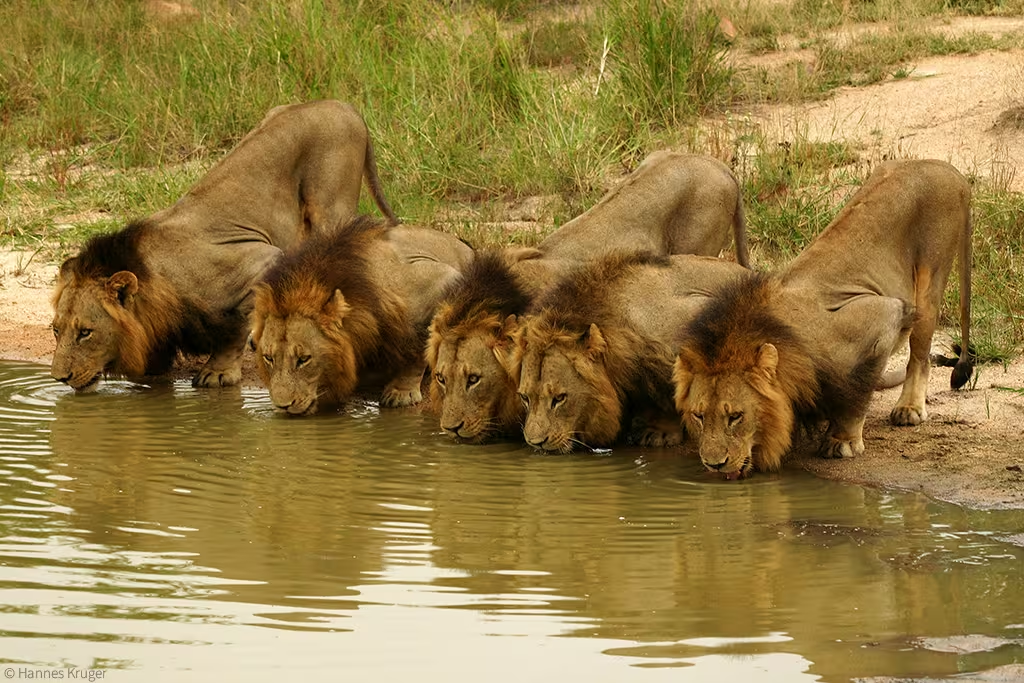
Resting on 18,700 acres of land, Ol Kinyei Conservancy is a pristine wilderness area home to prides of lions, leopards, cheetahs, giraffes, elephants, and thousands of wildebeest. It also offers intimate, exclusive safaris, making it a personalized experience. Enjoy night safaris and nature walks if seeking peaceful and immersive nature experiences.
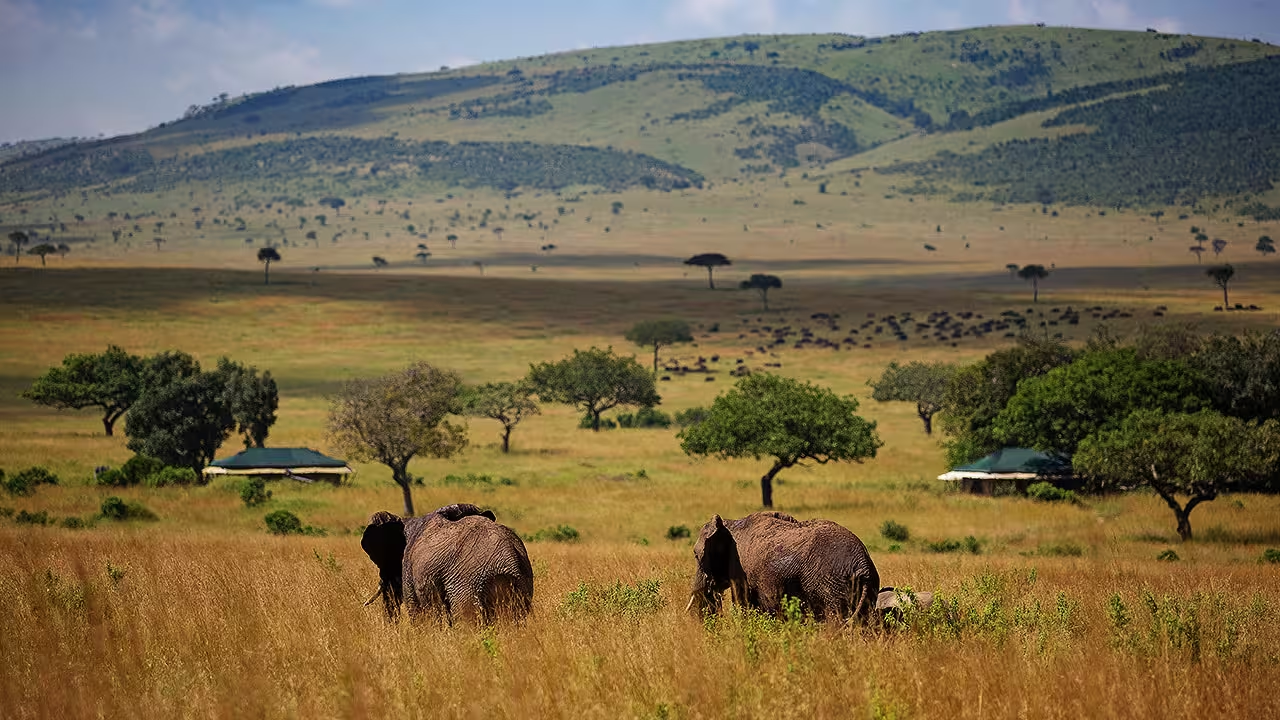
Lemek Conservancy is a relatively small conservancy, rich in wildlife, and serves as a corridor for the annual wildebeest migration. It is also most likely for spotting predators, like lions and cheetahs. Due to its location, Lemek offers all-year-round game viewing. For those looking for budget-friendly lodges without compromising wildlife experiences, this conservation offers that since it is less commercialized.
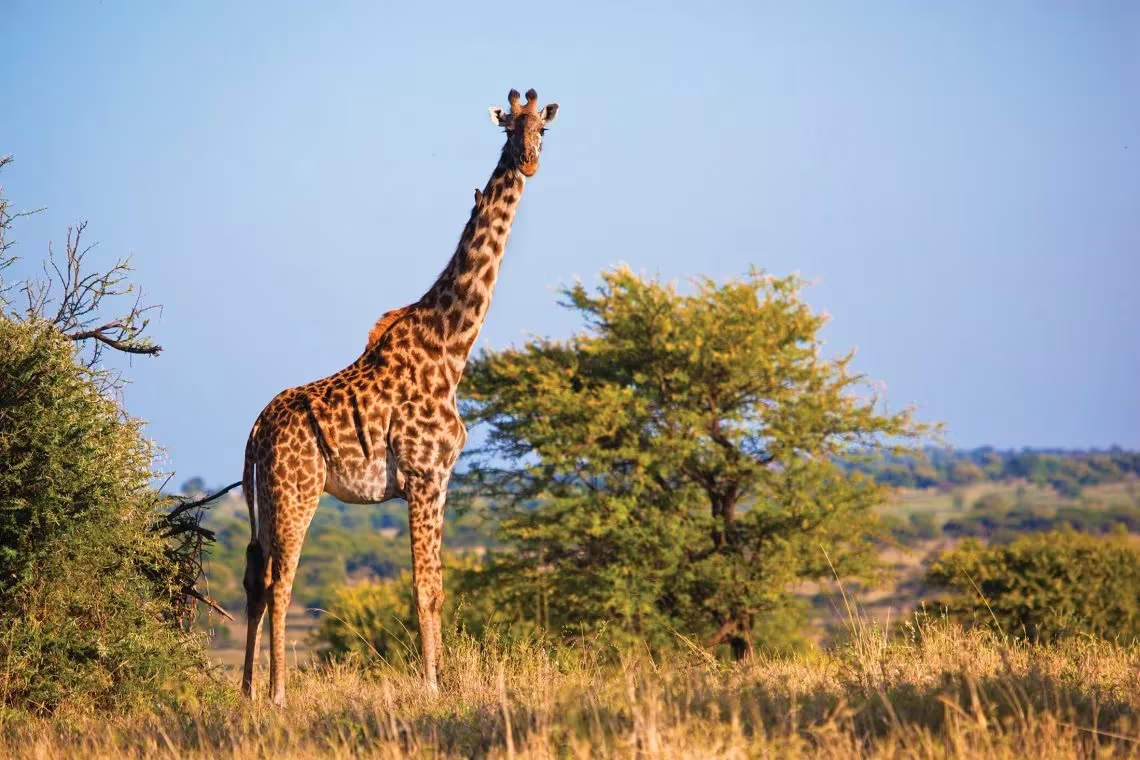
Enokishu Conservancy lies in the northern part of Masai Mara and focuses on conservation, community development, and sustainability. It is known for its eco-friendly lodges, cultural tourism experiences, and educational conservation programs. While enjoying night drives, you will spot nocturnal wildlife, while during the day, you will spot birds, giraffes, herds of elephants, and zebras.

Mara Siana Conservancy is a hidden gem on the eastern side of the Masai Mara, offering stunning views and a rich variety of wildlife. For those seeking an off-the-path safari experience, this conservancy is ideal due to its less visitation, unlike other conservancies. Enjoy the night safaris, guided nature walks, and off-road game drives.
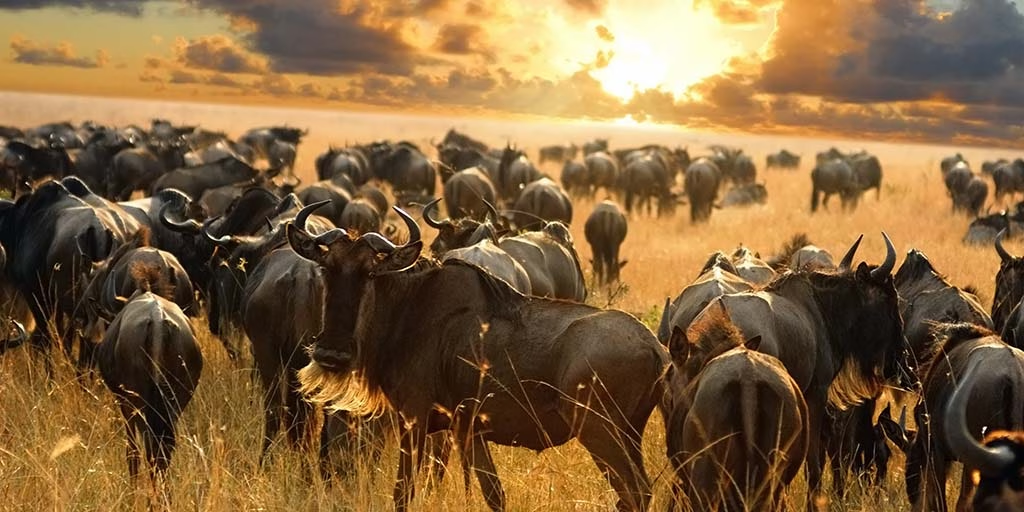
Ol Chorro Conservancy is located near the Mara River and is managed by the community, focusing on local empowerment and sustainable tourism. The conservancy ensures the community benefits from the conservation efforts. The conservancy offers a more rustic and authentic safari experience, with night safaris, cultural visits to Maasai villages, and guided bush walks. Due to its ideal location, it is easy to spot crocodiles and the Great Wildebeest Migration.
Masai Mara Reserve Camps & Lodges
( In & Around )
.avif)
Kichwa Tembo (&Beyond)
Inside
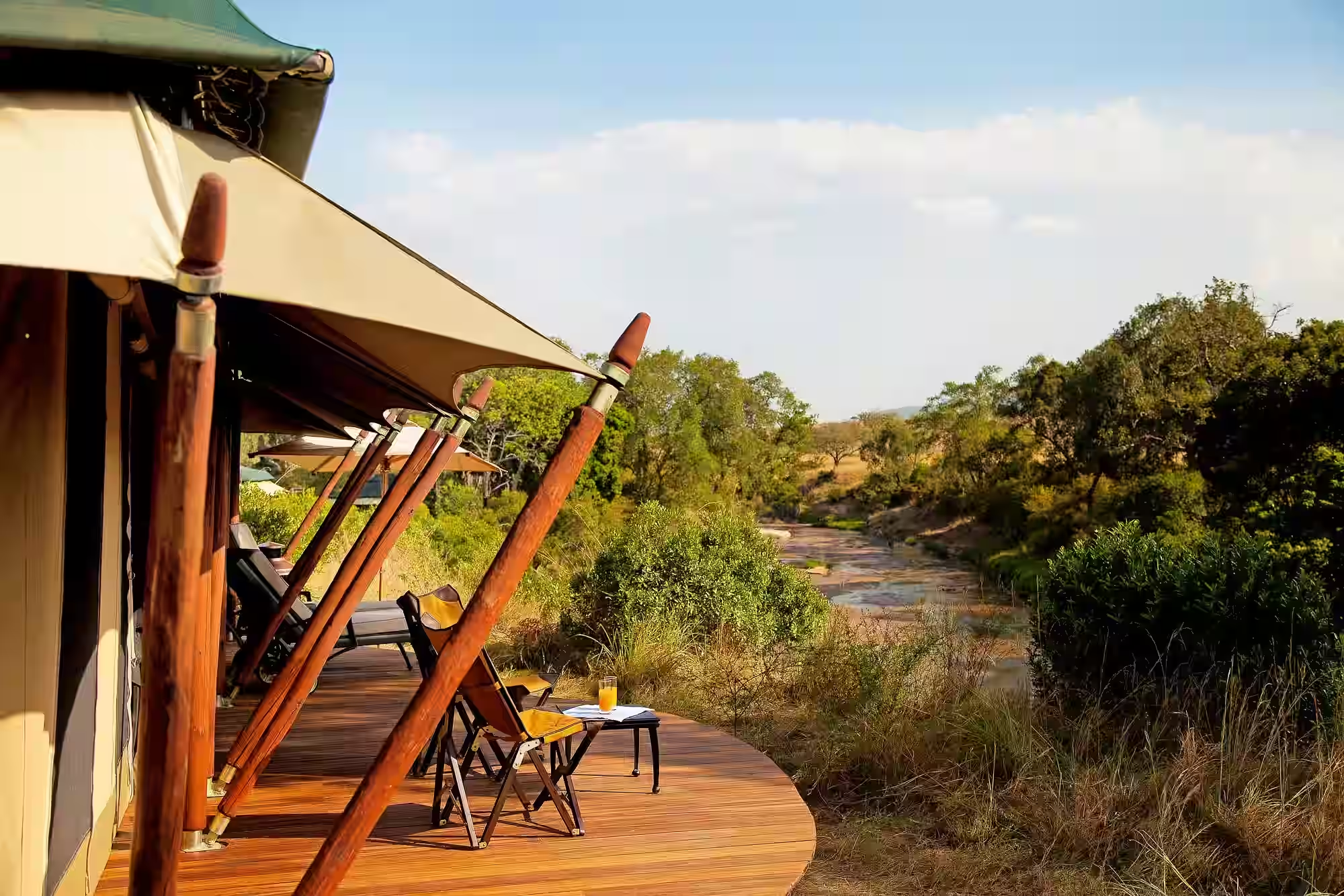
Sand River Camp
Inside
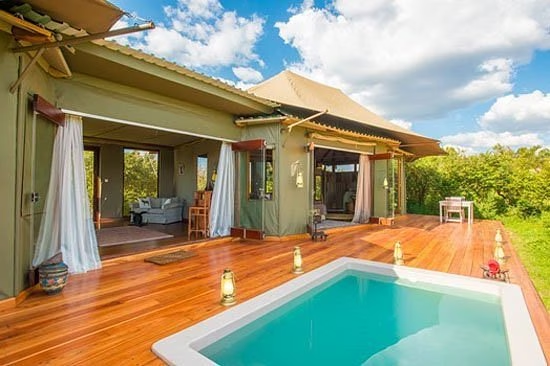
Sala’s Camp
Inside
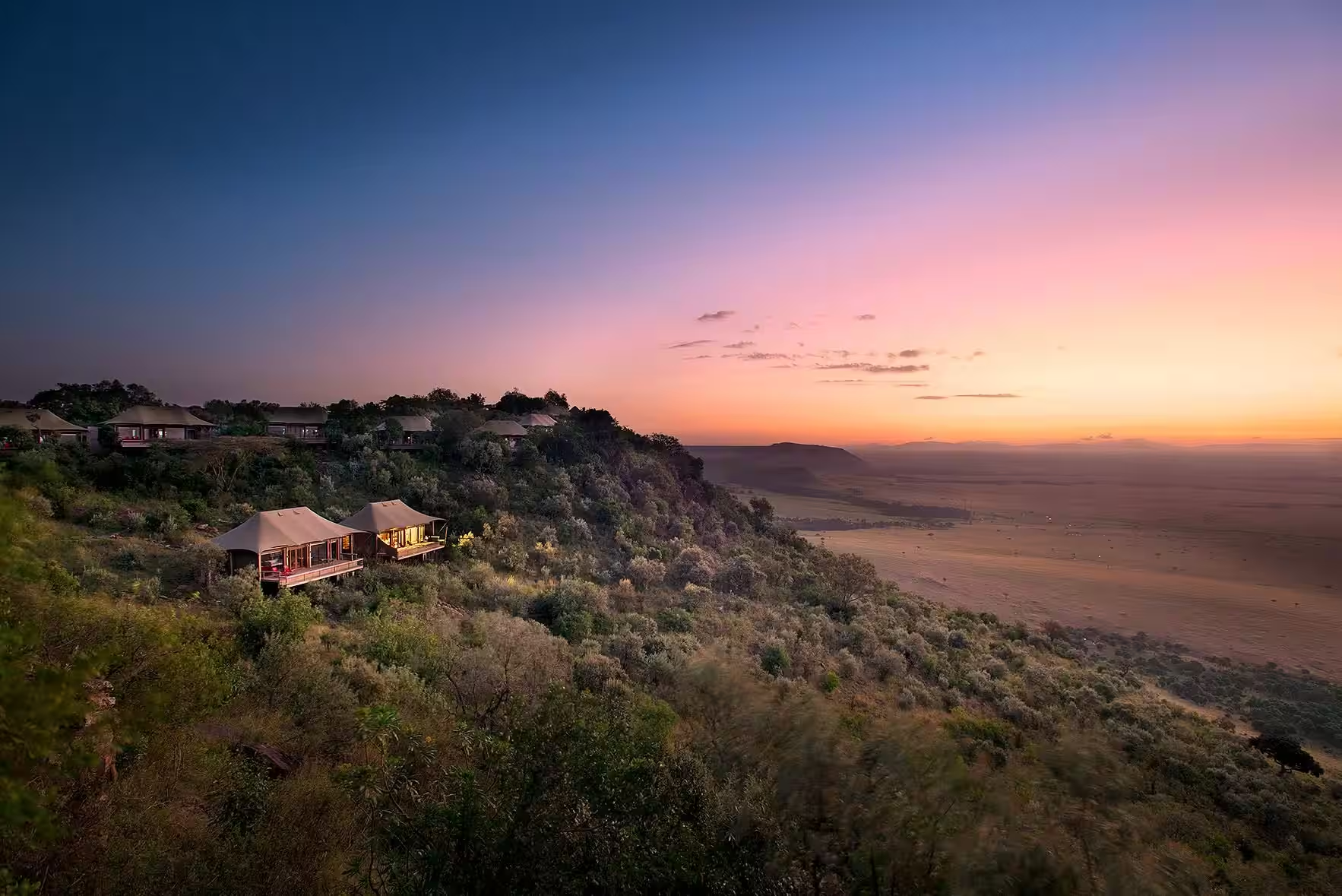
Angama Mara
Around
.avif)
Entim Mara
Inside
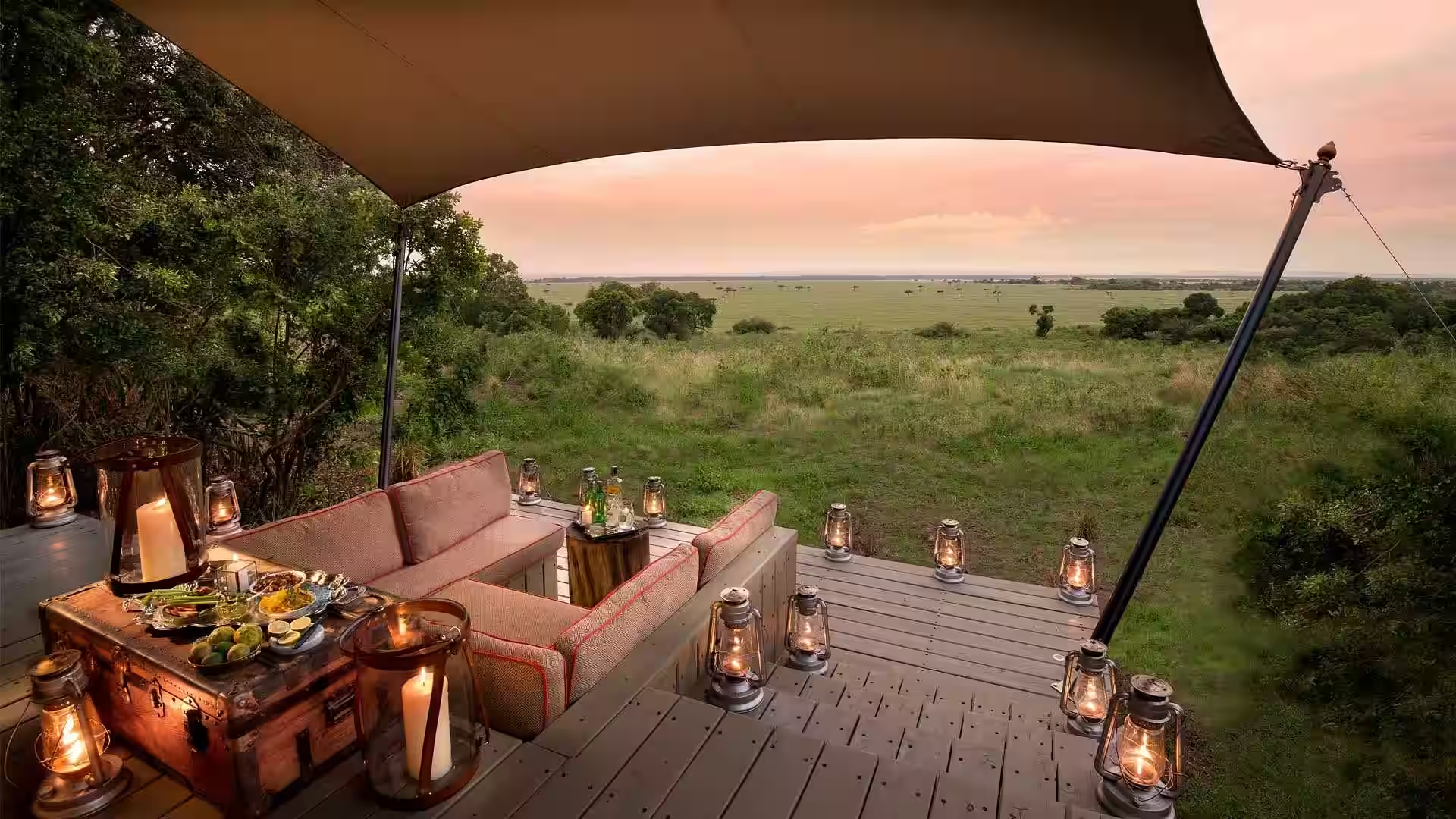
&Beyond Bateleur
Around

Sarova Mara Camp
Around

Mara Maisha Camp
Around

Lalashe Mara Camp
Around
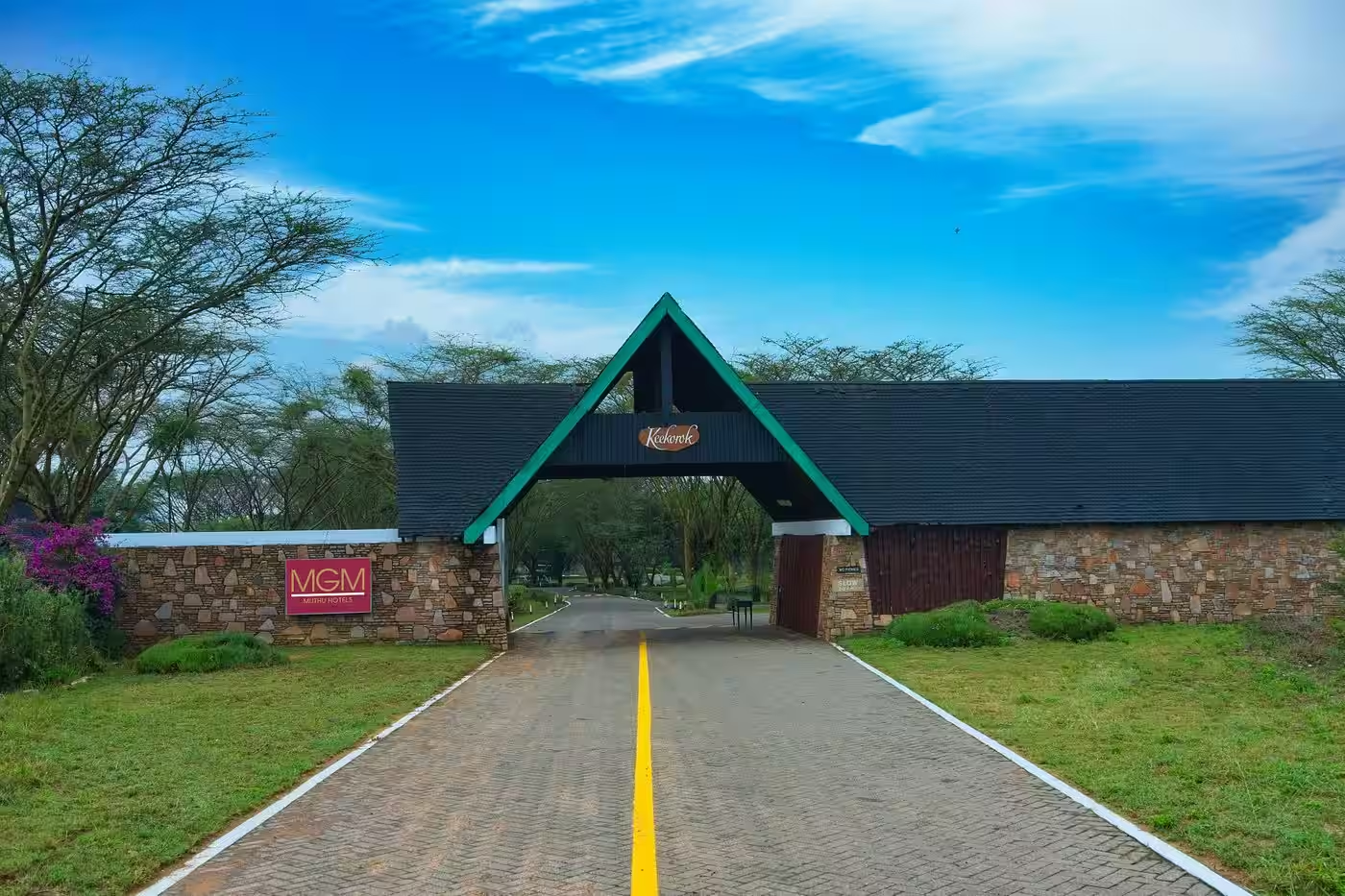
Keekorok
Around
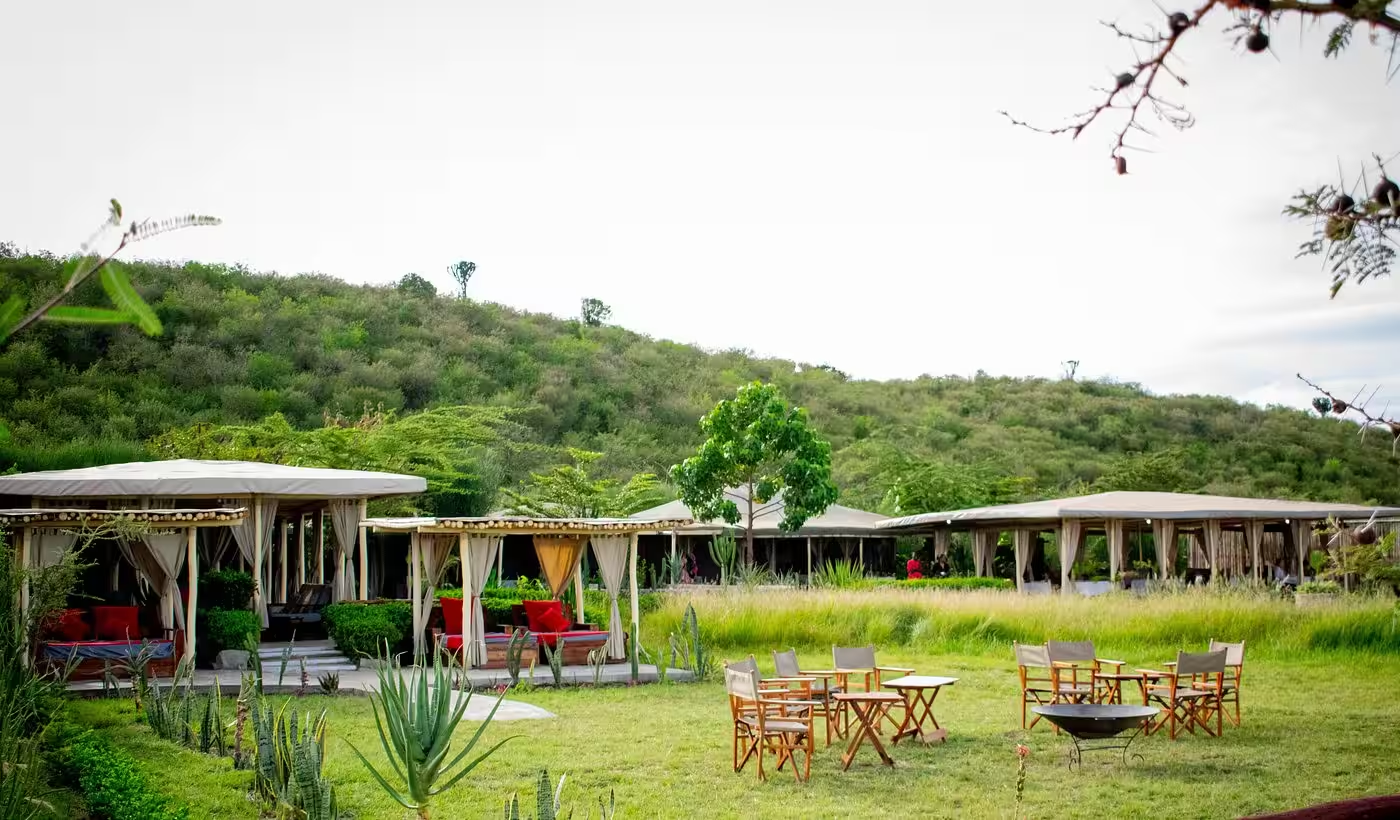
Zebra Plains Camp
Inside
.avif)
Jambo Mara Camp
Around
.avif)
Figtree Camp
Around
.avif)
Sopa Mara Camp
Around

Basecamp Mara Camp
Around
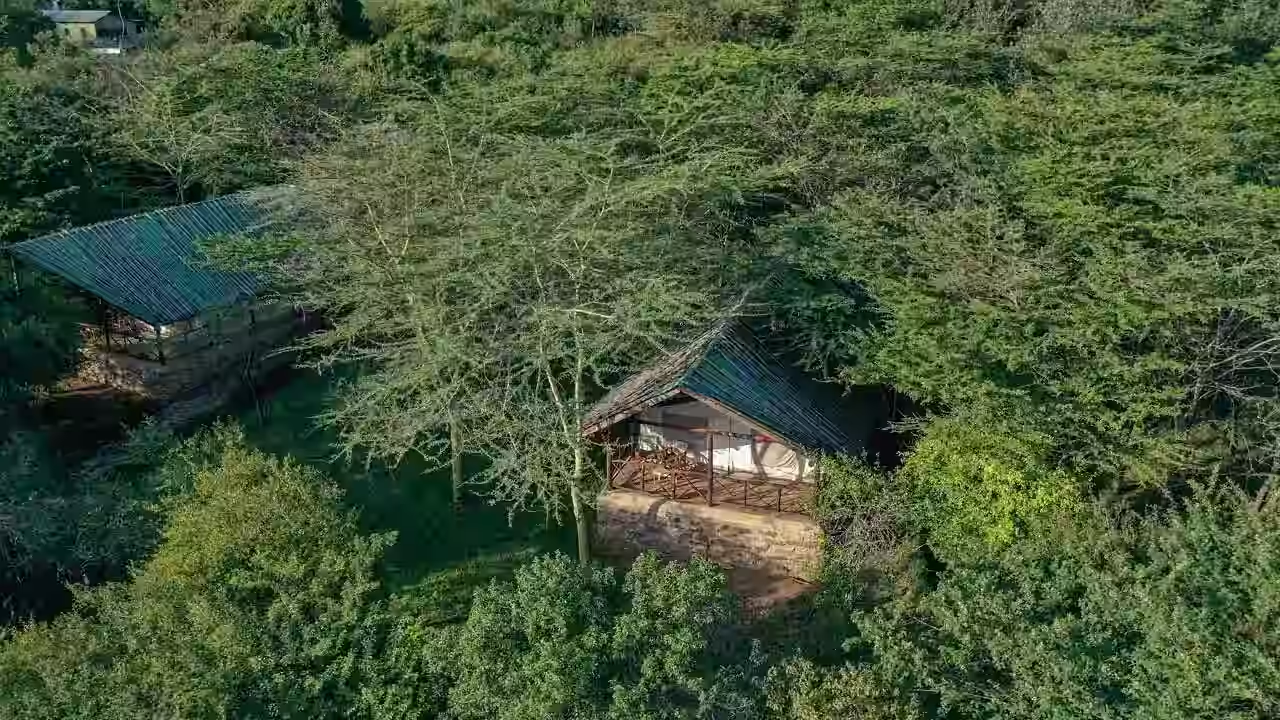
Sentrim Mara Camp
Around
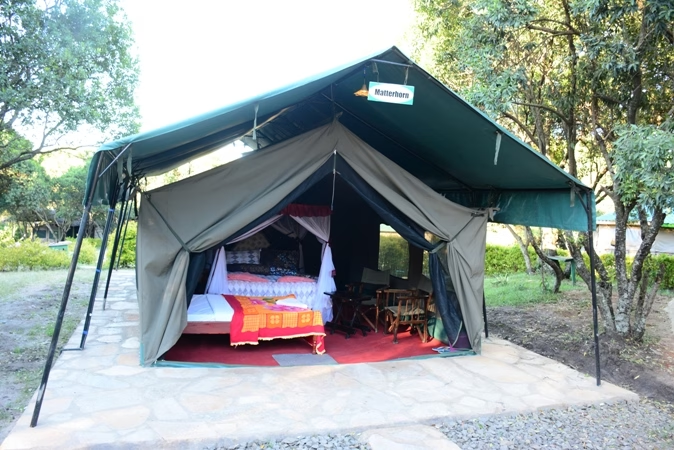
Lenchada Mara Camp
Around
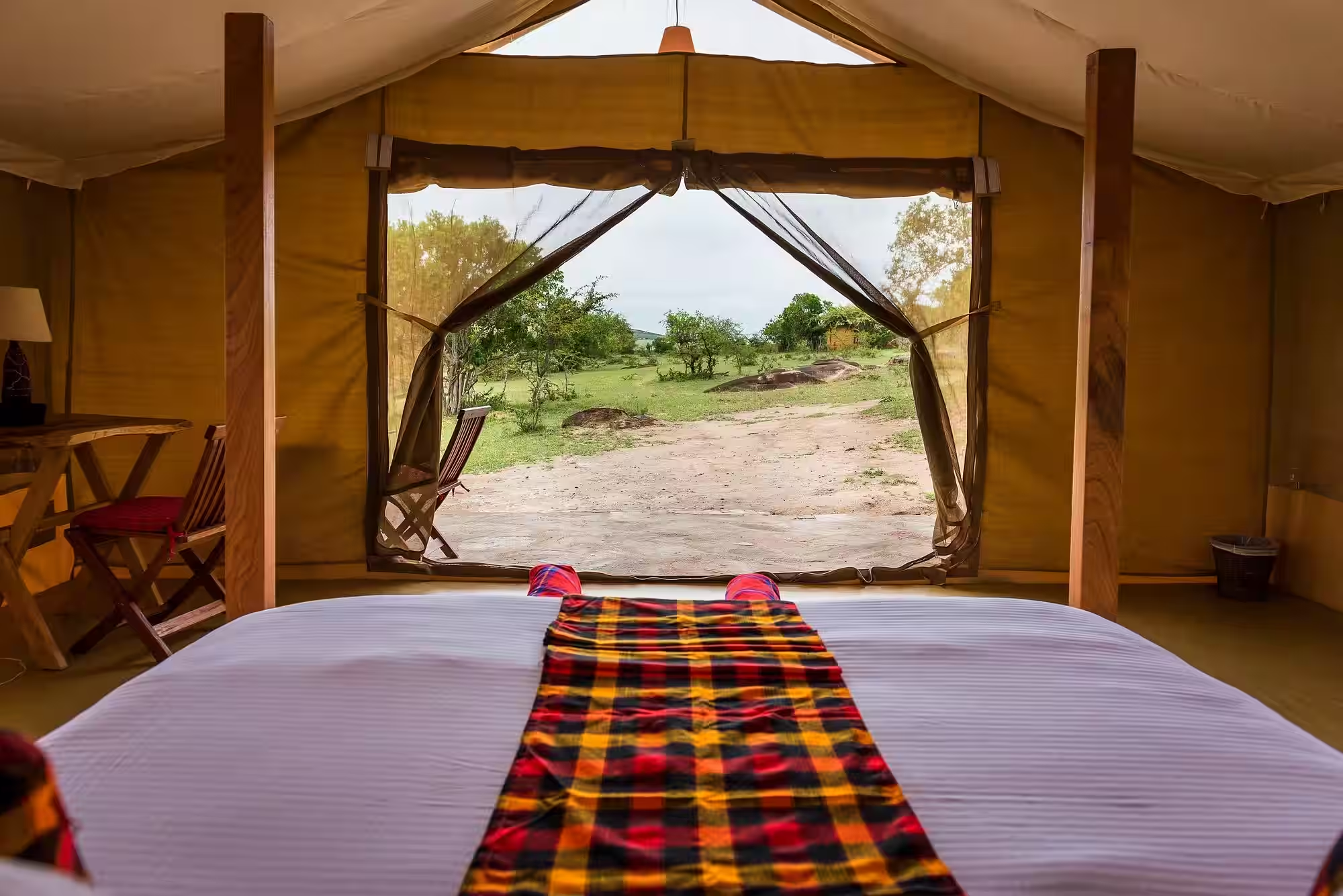
Enkorok Mara Camp
Around

Kichwa Tembo (&Beyond)
Inside
Sand River Camp
Inside
Sala’s Camp
Inside
Angama Mara
Around
Entim Mara
Inside
&Beyond Bateleur
Around
Sarova Mara Camp
Around
Mara Maisha Camp
Around
Lalashe Mara Camp
Around
Keekorok
Around
Keekorok
Around
Zebra Plains Camp
Inside
Jambo Mara Camp
Around
Figtree Camp
Around
Sopa Mara Camp
Around
Basecamp Mara Camp
Around
Sentrim Mara Camp
Around
Lenchada Mara Camp
Around
Enkorok Mara Camp
Around
Masai Mara Reserve Airstips
Central Mara
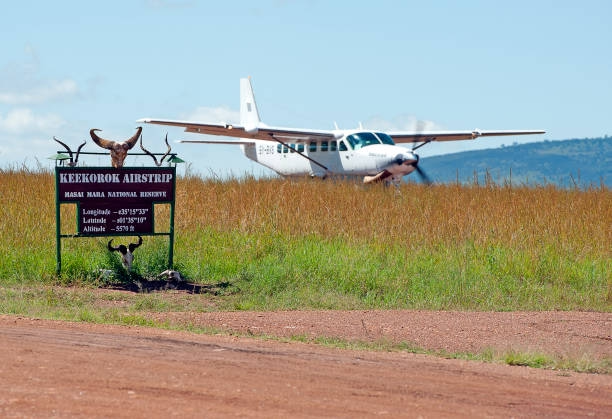
In the heart of Masai Mara, Keekorok airstrip sits at an altitude of approximately 5,200 feet (1,585 meters). The daily flights have a typical schedule with departure at 10:00 AM and arrival at 10:00 AM. The nearest accommodation is Keekorok Lodge, a 2-minute drive or, rather, a 5-minute walk. The airstrip also serves Sekenani Camp, Mara Topi Safari Lodge, Mara Sarova Game Lodge, Ashnil Camp, and Cottars Camp.
Central Mara
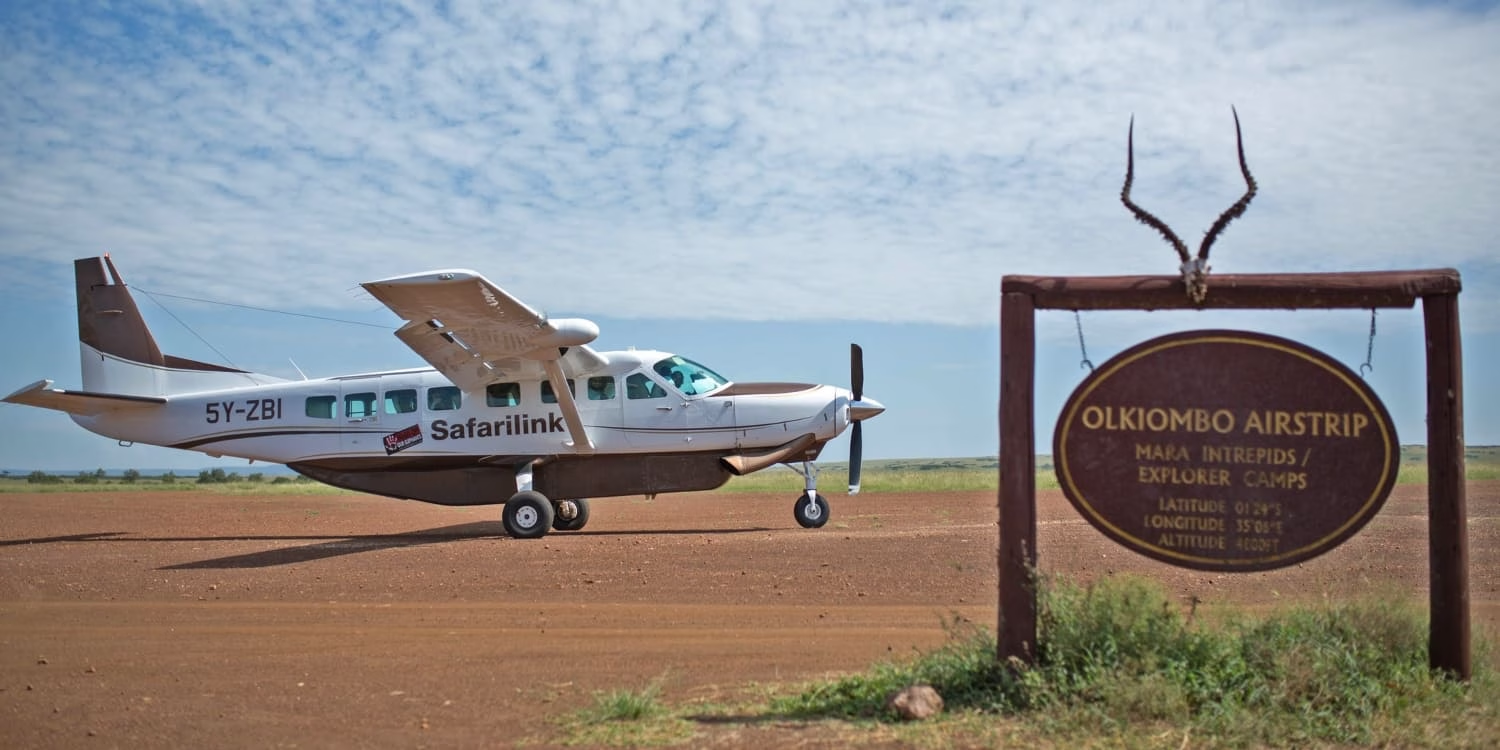
At around 5,282 feet (1,610 meters) of altitude, Ol Kiombo drops you straight in the middle of the happening action of Masai Mara. Its casual departure time from Wilson Airport is 10:30 AM, giving it an arrival time of 11:30 AM. Ol Kiombo airstrip serves Mara Intrepids, Mara Explorer, Porini Lion Camp, Base Camp, Fig Tree Camp, Kicheche Bush Camp, but it is in close proximity to Governors’ Camp, just a 10-minute drive covering approximately 3.5 km.
Central Mara
5,100 feet (1,555 metres) above sea level, Musiara airstrip is closest to Governors’ Camp which is a 5-minute drive. Flights depart from the airstrip at around 11:00 AM and arrive at 12:15 PM. This airstrip also serves Moran Camp, Serian Camp, Neptune Mara Rianta Camp and Little Governors’ Camp.
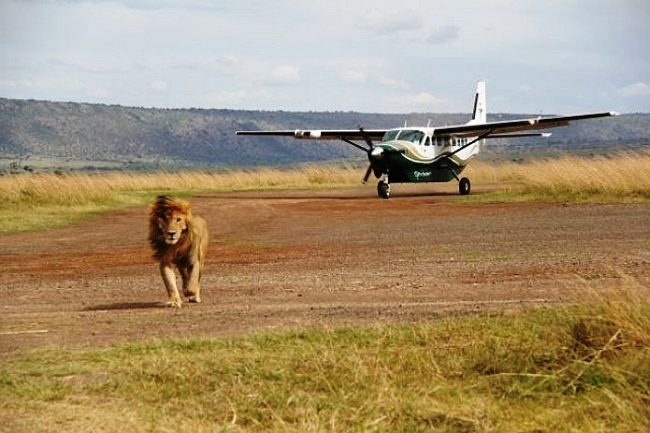
Western Mara (Mara Triangle)
Kichwa Tembo Airstrip has an altitude of 4,951 feet (1,509 meters) above sea level, serving Kichwa Tembo Tented Camp, which is less than a kilometer away, taking a 2-minute drive. Touchdown is around 11:15 AM, while departure from the park is 10:00 AM. Other lodges it serves are Kilima Camp, Mpata Lodge, and Bateleur Camp.
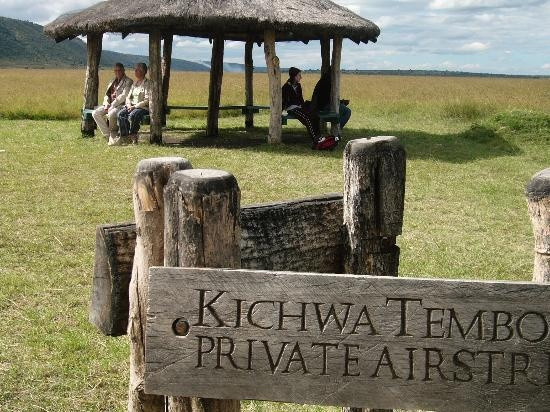
Western Mara (Mara Triangle)
At an altitude of 5,170 feet (1,576 meters), Serena Mara airstrip is your ideal gateway to the games and fun of wildlife in the heart of Masai Mara. Flights depart the park at around 10:00 AM and arrive in the park at 11:00 AM from Wilson Airport. From the name, the airstrip is closest to Mara Serena Safari Lodge just 2 km away, but also serves neighboring camps and lodges.
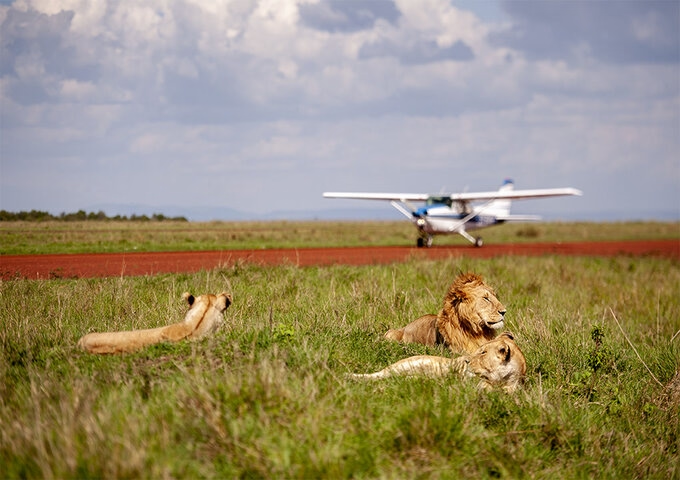
Northern Conservancies
Mara North Airstrip is approximately 5,200 feet (1,585 meters) above sea level. Its casual arrival time to the reserve is 10:00 AM, and its departure time is 11:30 AM. Mara North airstrip offers a transition into the wild. The nearest accommodation is the Mara Explorer Camp, a luxury accommodation just 5 minutes away, and the airstrip also serves Saruni Mara Camp, Saruni Wild Camp, and Kicheche Mara Camp.
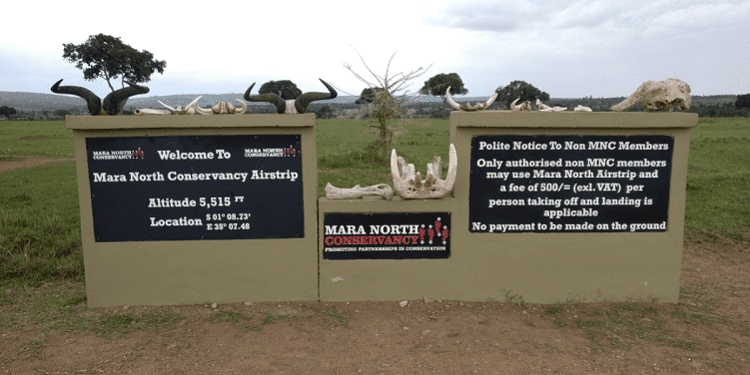
Northern Conservancies
At an altitude of 5,400 feet (1,645 meters), Mara Ngerende Airstrip is located 2 minutes away from Ngerende Island Lodge, making it the closest to the airstrip. Flights arrive by 9:30 AM and depart at 10:30 AM. Mara Ngerende also serves Kicheche Camp, Richards Camp, Saruni Camp, and Mara Safari Camp.
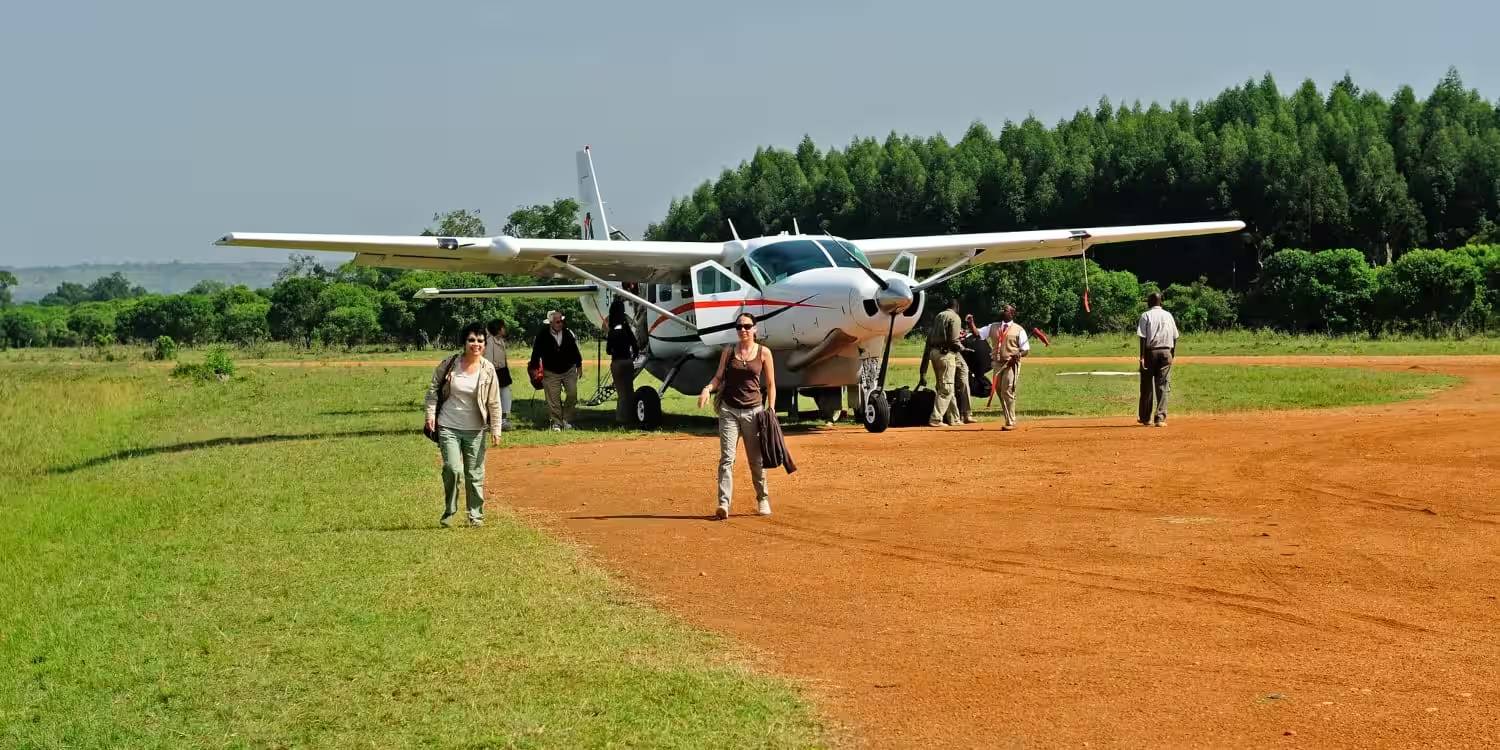
Eastern & Southeastern Conservancies
Siana Springs airstrip is located 5,350 feet above sea level, offering a scenic entryway adventure. Its casual departure time from Wilson Airport is 10:00 AM, giving it an arrival time of 11:00 AM. Siana Springs airstrip is 5 minutes away from Siana Springs Tented Camp, the nearest of all it serves, including Mara Bushtop, Porini Main Camp, Leleshwa Camp, and Hemingways Mara.
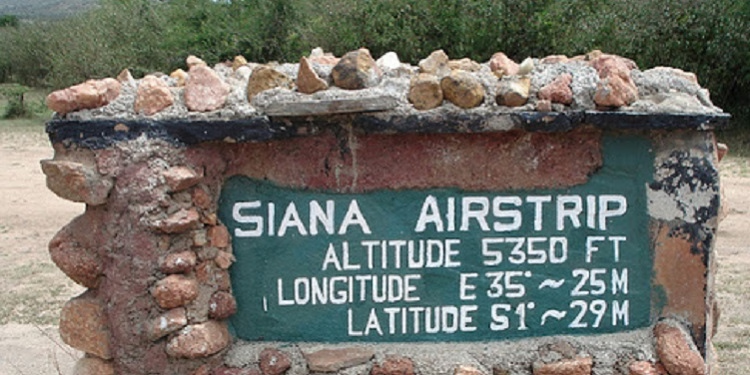
Eastern & Southeastern Conservancies
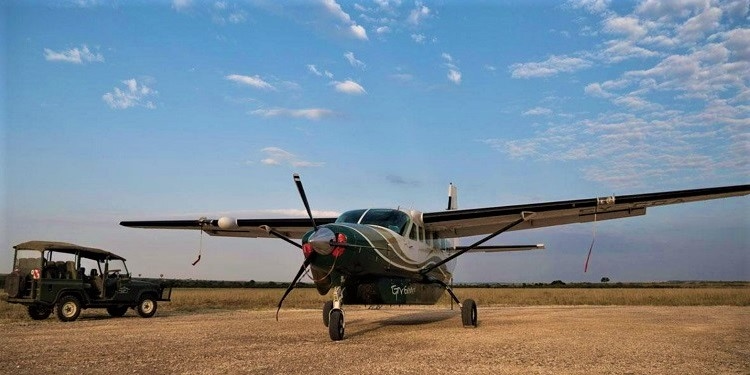
Nestled 5,000 feet above sea level is Olare Orok Airstrip, located in the wildlife-rich Olare Motorogi Conservancy. Flight departure time is 10:15 AM and arrival time is 11:15 AM, with Mahali Mzuri being 10 minutes out as it is the closest, as well as Sir Richard Branson’s safari camp and lodges within the conservancy.
Masai Mara Wildlife

The Big five
Lions, Leopards, Elephants, buffalos, and Rhinos
The Great Migration
Wildebeest, Zebras, Thomson’s and Grant’s gazelles
Common Animals
Cheetah, Hyena, Warthog, Hippo, Crocodile and Giraffe
Antelope species
Antelope species Eland, Impala, Bushbuck and waterbuck
Bird species
Secretary bird, ostrich, vultures, crowned crane and Lilac-breasted roller.
Why Maasai Mara National Reserve Kenya Is World Famous
Maasai Mara National Reserve is globally known for two reasons: consistently high wildlife density and dramatic predator-prey interactions across open savannah. Unlike many parks where sightings can be scattered, the Mara ecosystem often delivers multiple high-value encounters in a single game-drive block, especially when your guide can switch zones based on movement reports.
It is also one of the most flexible safari destinations in Kenya. You can design migration-focused trips, big-cat photography itineraries, luxury lodge stays, family safaris, or mixed circuits that combine Mara with Rift Valley and southern parks. That range is why Maasai Mara remains a top choice for both first-time and repeat safari travelers.
Wildlife in Maasai Mara: Big Cats, Big Herds, Big Moments
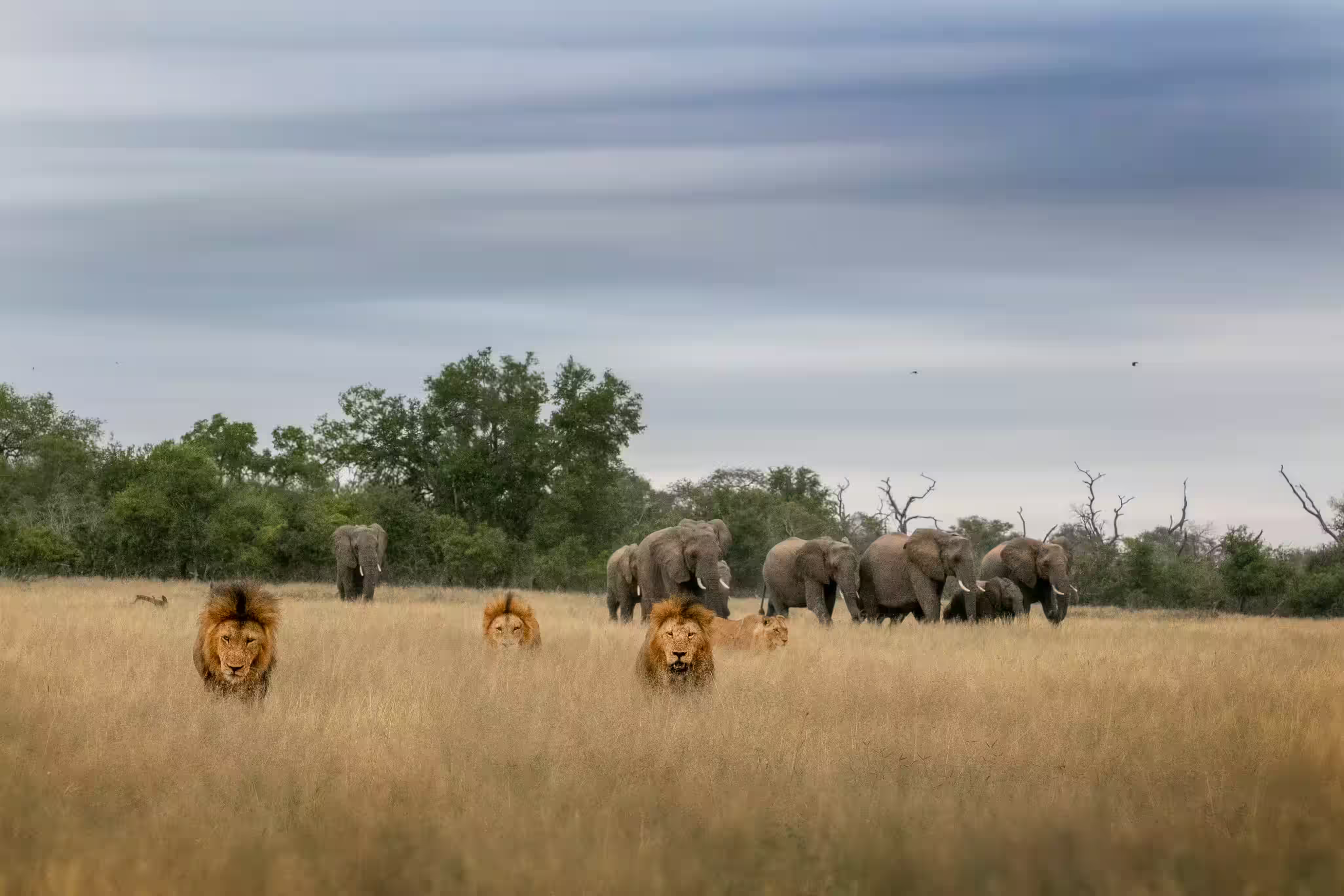
Wildlife in Maasai Mara is strong year-round, not only during migration months. Resident populations include lion, leopard, cheetah, elephant, buffalo, giraffe, hyena, zebra, and extensive antelope species. The open plains and short-grass visibility make animal tracking and photography especially rewarding compared with denser habitats.
For travelers prioritizing predators, early morning and late afternoon drives are usually most productive. Midday can still be useful for birding, landscape photography, and relocation to a different sector for evening action. Staying multiple nights increases your odds of seeing varied behavior, not just isolated sightings. Maasai Mara National Reserve is globally known for two reasons: consistently high wildlife density and dramatic predator-prey interactions across open savannah. Unlike many parks where sightings can be scattered, the Mara ecosystem often delivers multiple high-value encounters in a single game-drive block, especially when your guide can switch zones based on movement reports.
Wildebeest Migration Calendar and Best Viewing Months
The Great Migration in Maasai Mara is typically most active from about July to October, with peak river-crossing activity often concentrated in parts of August and September. Exact timing shifts each year because rainfall and grazing patterns influence herd movement between the Serengeti and the Mara.
For migration-focused safaris, plan at least three nights and keep game-drive timing flexible. Crossings are unpredictable and can require patience, but longer stays dramatically improve your chances of witnessing major movement and associated predator activity.
Reserve vs Conservancy: What Is the Difference?
The main reserve offers classic Mara landscapes, broad game-drive access, and strong wildlife density, especially in migration periods. It is usually the best match for first-time visitors who want iconic sightings and the traditional Maasai Mara game-drive experience.
Private conservancies around the reserve typically provide lower vehicle density and additional activities such as night drives and guided bush walks. They are ideal for travelers prioritizing privacy, slower safari rhythm, and more exclusive wildlife time, often at a higher per-night budget.
Best Areas to Stay in and Around Maasai Mara
Where you stay in the Mara ecosystem affects your daily experience more than most travelers expect. Areas with fast access to central reserve routes are practical for first-time visitors, while northern and conservancy-adjacent zones are often preferred for quieter sightings and premium lodge experiences.
When choosing a base, look at drive time from camp to key wildlife zones, not only lodge amenities. A well-positioned camp can add significant game-viewing time each day and reduce fatigue, especially on shorter itineraries.
How to Get to Maasai Mara from Nairobi
There are two main ways to reach Maasai Mara from Nairobi: by road or by light aircraft. Road transfer is common for overland circuits and typically takes most of a day depending on route, weather, and gate destination. Flying is faster and usually places you in the ecosystem within about an hour of airtime plus transfer logistics.
If your trip is 2 to 3 nights, flying often gives better wildlife time. If you are doing a longer multi-park route, road travel can be efficient and cost-effective when combined with well-planned stopovers.
Hot Air Balloon Safaris and Other Signature Activities
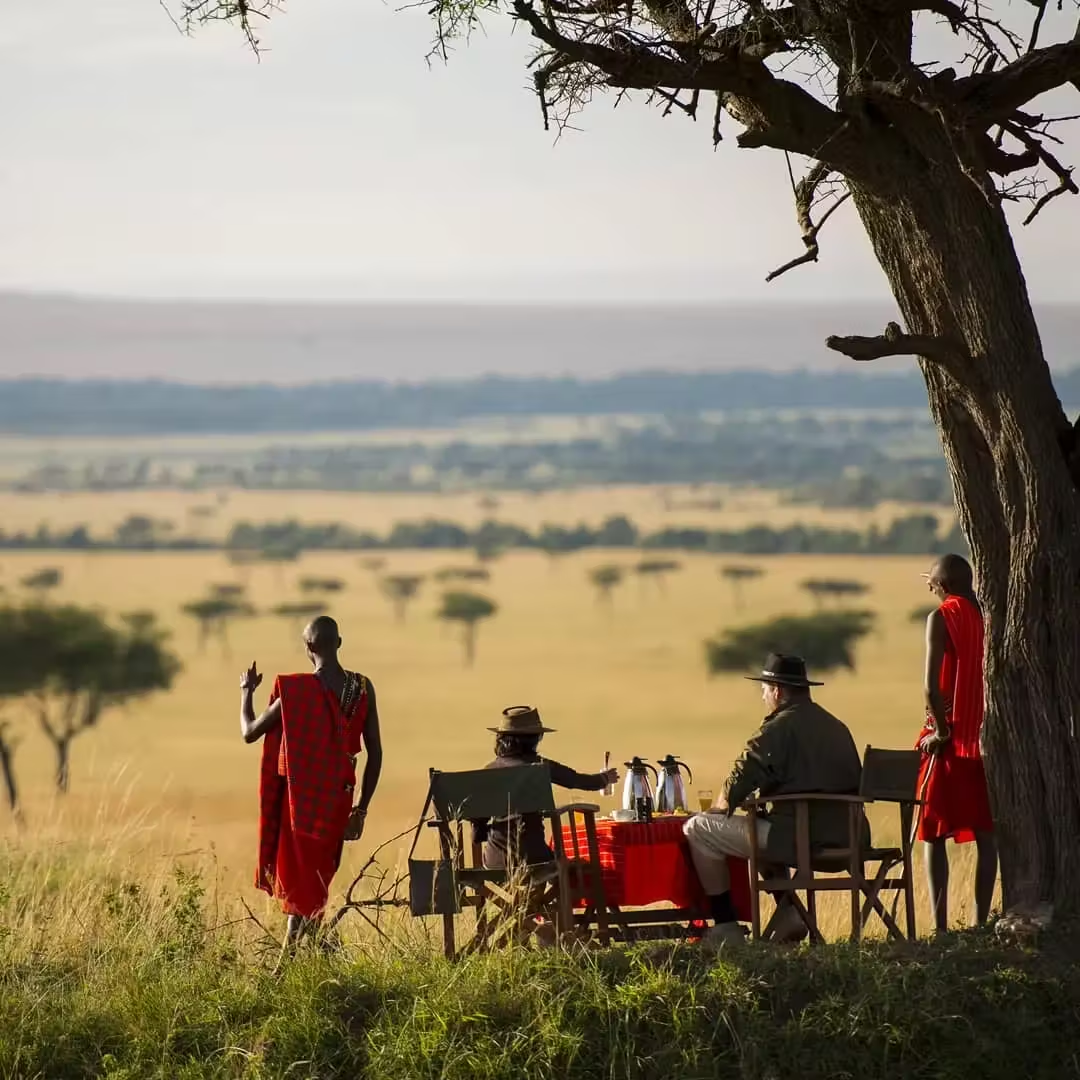
A Maasai Mara hot air balloon safari is one of the reserve's signature premium experiences. Flights usually begin at dawn, run for around an hour depending on weather, and finish with a bush breakfast. It adds a completely different perspective to your safari by showing herd movement, river lines, and sunrise light across the plains.
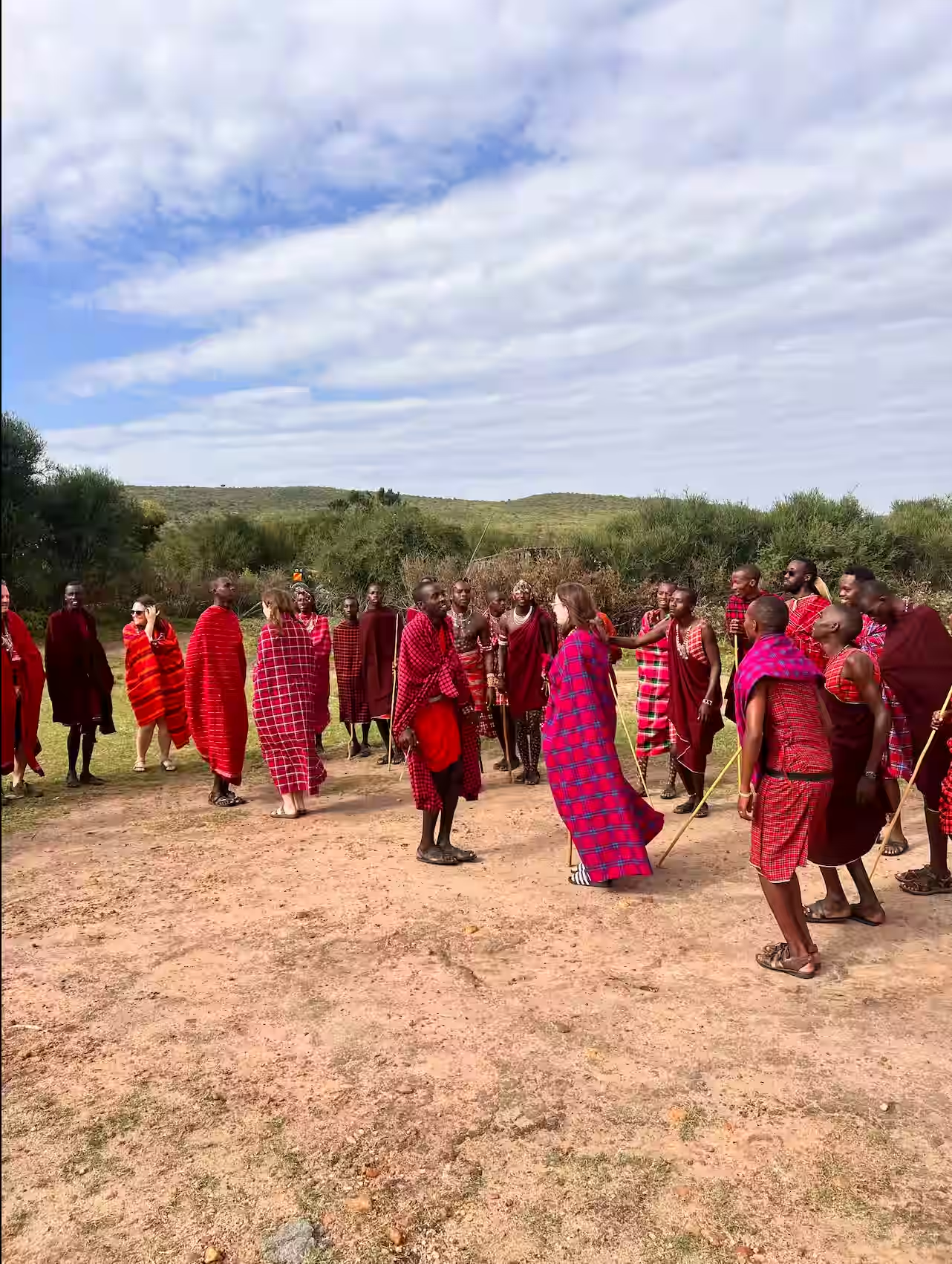
Other high-value activities include guided cultural visits, photography-focused drives, and in conservancy areas, night game drives and walks. These options help diversify your itinerary so every day is not a repeat of the same route pattern.
Best Time to Visit Maasai Mara by Travel Goal
If your main goal is migration drama, target the July to October window and book early. If you prioritize big cats with fewer vehicles, shoulder periods outside peak migration can deliver excellent predator sightings with more flexibility in routing and camp choice.
For value-focused travelers, non-peak months often provide better lodge rates while maintaining strong resident wildlife viewing. The best time is not one fixed month; it depends on whether your priority is crossings, photography, privacy, or budget efficiency.
Sample Maasai Mara Itineraries (2, 3, and 4 Days)
2-day structure: arrival and one focused evening drive, followed by an early morning drive before departure. This works for tight schedules but offers limited flexibility.
3-day structure: two full game-drive windows plus one transfer day. This is the most balanced option for first-time visitors.
4-day structure: adds deeper zone coverage, weather flexibility, and optional activities like balloon safari or conservancy experiences, making it ideal for photographers and wildlife enthusiasts.
Combining Maasai Mara with Nakuru, Naivasha, or Amboseli
Maasai Mara combines well with both Rift Valley and southern Kenya circuits. Mara plus Nakuru works well for big cats plus rhino diversity. Mara plus Naivasha adds boat and walking experiences for a softer activity mix. Mara plus Amboseli offers contrasting landscapes and elephant-focused viewing with Kilimanjaro backdrops.
For efficient pacing, build the route around transfer flow instead of listing parks by popularity. Smart sequencing reduces fatigue and protects prime game-drive windows where wildlife activity is strongest.
Park Fees, Entry Gates, and Safari Practicalities
Maasai Mara entry fees and conservancy rates can vary by season and visitor category, so always confirm current pricing before final payment. Common gate and access planning should be aligned to your lodge location to avoid unnecessary daily drive time.
Practical essentials: use a safari-ready 4x4 in wet periods, carry layered clothing for cool early mornings and warm afternoons, and keep camera batteries and dust protection ready. For smoother operations, keep cashless payment options available where required and reconfirm gate procedures before travel days.
Book a Tailored Maasai Mara Safari with RoamRoar
RoamRoar builds tailored Maasai Mara safari plans based on your goals, travel dates, and comfort preferences. Whether you want migration-focused days, premium conservancy privacy, family logistics, or a combined Kenya circuit, we match route and lodge choices to the outcomes you care about most.
Share your dates, group size, budget range, and activity preferences, and we will design a practical itinerary with clear inclusions, realistic pacing, and strong wildlife value from the first drive to departure.
Masai Mara Reserve Common Activities
Masai Village Visit
Hot air balloon with champagne breakfast
Cultural Dances
Bird watching
Nature walks & hiking
Game drives
Camping & picnicking
Photography
Masai Mara Reserve FAQs
When is the wildebeest migration in Maasai Mara National Reserve Kenya?

Migration activity in Maasai Mara is generally strongest from July to October, though timing shifts each year with rainfall and grass patterns. River crossings are unpredictable, so staying multiple days improves your chances of seeing dramatic movement and predator interaction.
What is the difference between the reserve and conservancies?
The main reserve has broad access and classic game-drive routes, while conservancies usually offer lower vehicle density and added activities such as night drives and guided walks. Choosing between them depends on budget, privacy preference, and how immersive you want the safari rhythm to be.
How many days should I spend in Maasai Mara?
Most travelers benefit from at least three nights in the Mara ecosystem. This gives enough time for varied game-drive zones, weather flexibility, and stronger odds of seeing predators and migration behavior. Two nights can work, but often feels tight.
Is Maasai Mara good outside migration season?
Yes. Maasai Mara remains one of Africa's best year-round safari destinations because resident wildlife is consistently strong. Outside migration months, you may find fewer crowds, better lodge value, and excellent big-cat sightings, especially in zones with healthy prey populations.
Is a self-drive safari in Maasai Mara recommended?
A self-drive is possible, but guided safaris are usually better for first-time visitors due to road conditions, route planning, and wildlife tracking skill. A professional guide improves sightings and safety while reducing travel stress across gates, conservancies, and changing terrain.